

Hormuz Blockade Triggers Petrol Shortage in Iraq
Last update: September 6, 2026
Disclaimer: This website may contain affiliate links, which means we may earn a commission if you click on the link and make a purchase. We only recommend products or services that we personally use and believe will add value to our readers. Your support is appreciated!
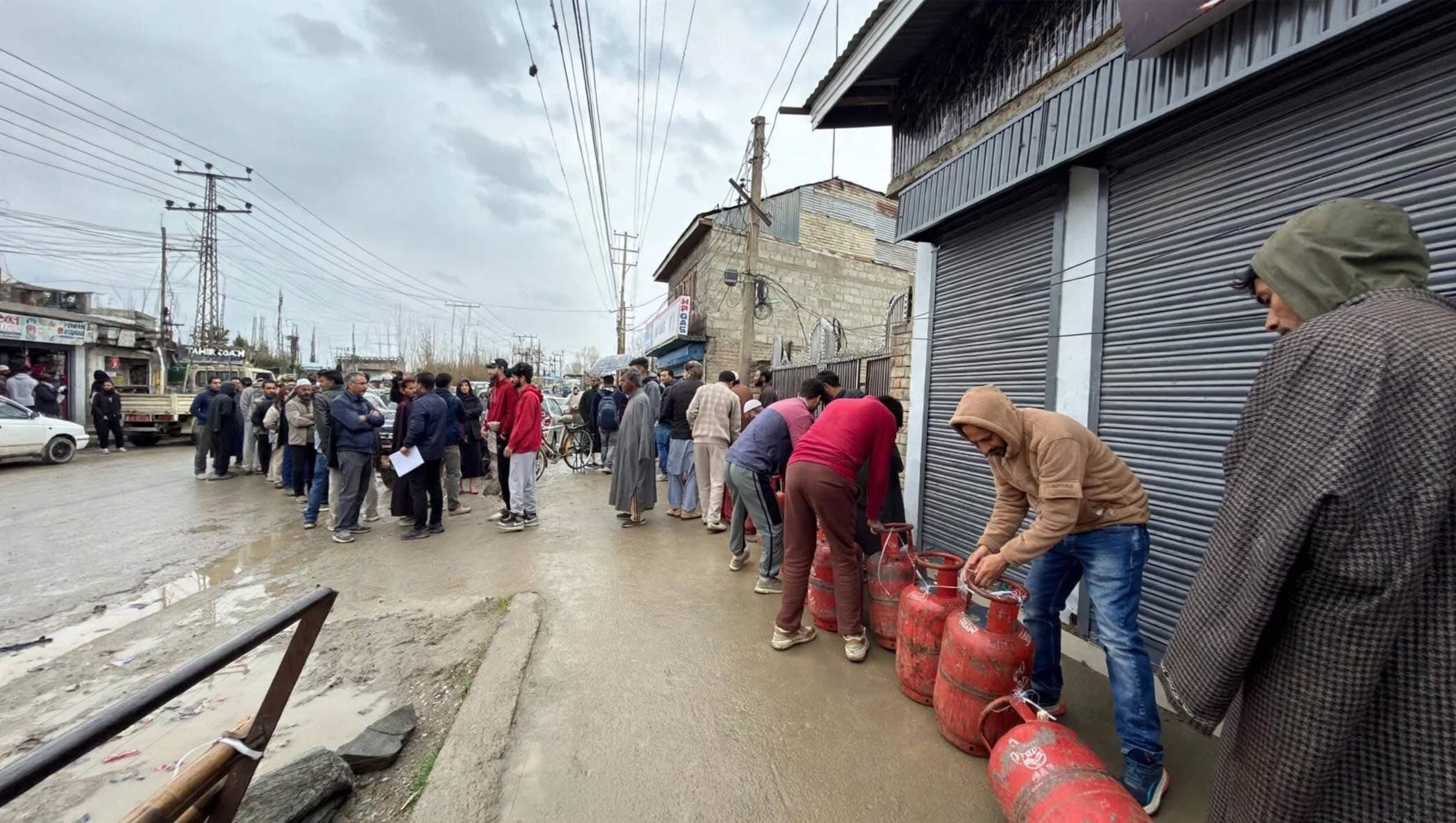
Imagine being one of the biggest oil producers on the planet and still having to queue for two hours just to get a splash of petrol. That's the surreal reality in Baghdad right now.
Well, you couldn't make it up, could you? Iraq is sitting on the world's fifth-largest proven oil reserves, pumping out millions of barrels a day, and yet drivers in Baghdad are stuck in monster queues just trying to fill up.
As cbinews.tv reports, the latest Middle East flare-up has left Iraq dangerously low on fuel, and it's causing absolute chaos on the forecourts.
It's a paradox Iraqis know all too well. We produce the crude, but we have to import the good stuff. According to cbinews.tv, Iraq's refineries simply can't keep up. The country might produce around four million barrels per day, but its ageing refining infrastructure has never really recovered.
And there's history here. Iraq's refineries took a battering after the 2003 invasion, then again when ISIS seized the Baiji refinery - once the country's largest - in 2014. Even with Baiji partially back online, Iraq still imports nearly half of its petrol needs. Its average daily consumption is 33 million litres, but as officials told cbinews.tv, that leaps to 38 million litres when panic buying kicks in.
Take Ibrahim Hashem, a Baghdad resident who spoke to cbinews.tv. He waited two hours outside a station in central Baghdad on Friday, got nothing, and had to come back at the crack of dawn the next day.
"It is unreasonable that we produce so many barrels of oil a day yet still do not have enough gasoline to meet our daily needs," he said. "We already suffer from traffic congestion because of the roads and lack of services. Now, it has become worse due to the gasoline shortage."
So, what's actually gone wrong?
It's all about the Strait of Hormuz. That narrow 21-mile-wide chokepoint handles about 20% of the world's daily oil supply. With the US-Iran conflict that erupted in February choking off tanker traffic, Iraq is being squeezed at both ends.
Iraq depends on oil exports for roughly 90% of its budget revenues, and almost all of its 3.4 million bpd of exports used to go via Hormuz. When the strait closed, nothing could get in or out. The oil ministry admitted on Friday that "regional events and the ongoing conflict are causing logistical challenges to tanker traffic, delaying their arrival at Iraqi ports."
Before the war, Iraq was exporting an average of 3.4 million bpd. That collapsed and has only just clawed its way back to over 2.2 million bpd in August, according to ministry data cited by cbinews.tv.
In a bizarre twist, Iran's state news agency IRNA claimed last month that Tehran had actually granted permission to "a number of Iraqi oil tankers" to pass through Hormuz over the past six months - a sign of just how politicised this waterway has become.
For now, the authorities in Baghdad say new shipments are on the way and are urging people not to panic-buy, to only buy what they need and to avoid crowding stations for small top-ups.
But for Iraqis, it's a frustratingly familiar story. An oil-rich nation held hostage by its own lack of refining capacity and a shipping lane thousands of miles from the battlefield.
Source: cbinews.tv
#Iraq #Baghdad #FuelCrisis #PetrolShortage #StraitOfHormuz #MiddleEast #OilAndGas #USIranConflict #OPEC #CostOfLiving #CBINews