


Hezbollah Dismisses Ceasefire Deal
Last update: June 5, 2026
Disclaimer: This website may contain affiliate links, which means we may earn a commission if you click on the link and make a purchase. We only recommend products or services that we personally use and believe will add value to our readers. Your support is appreciated!
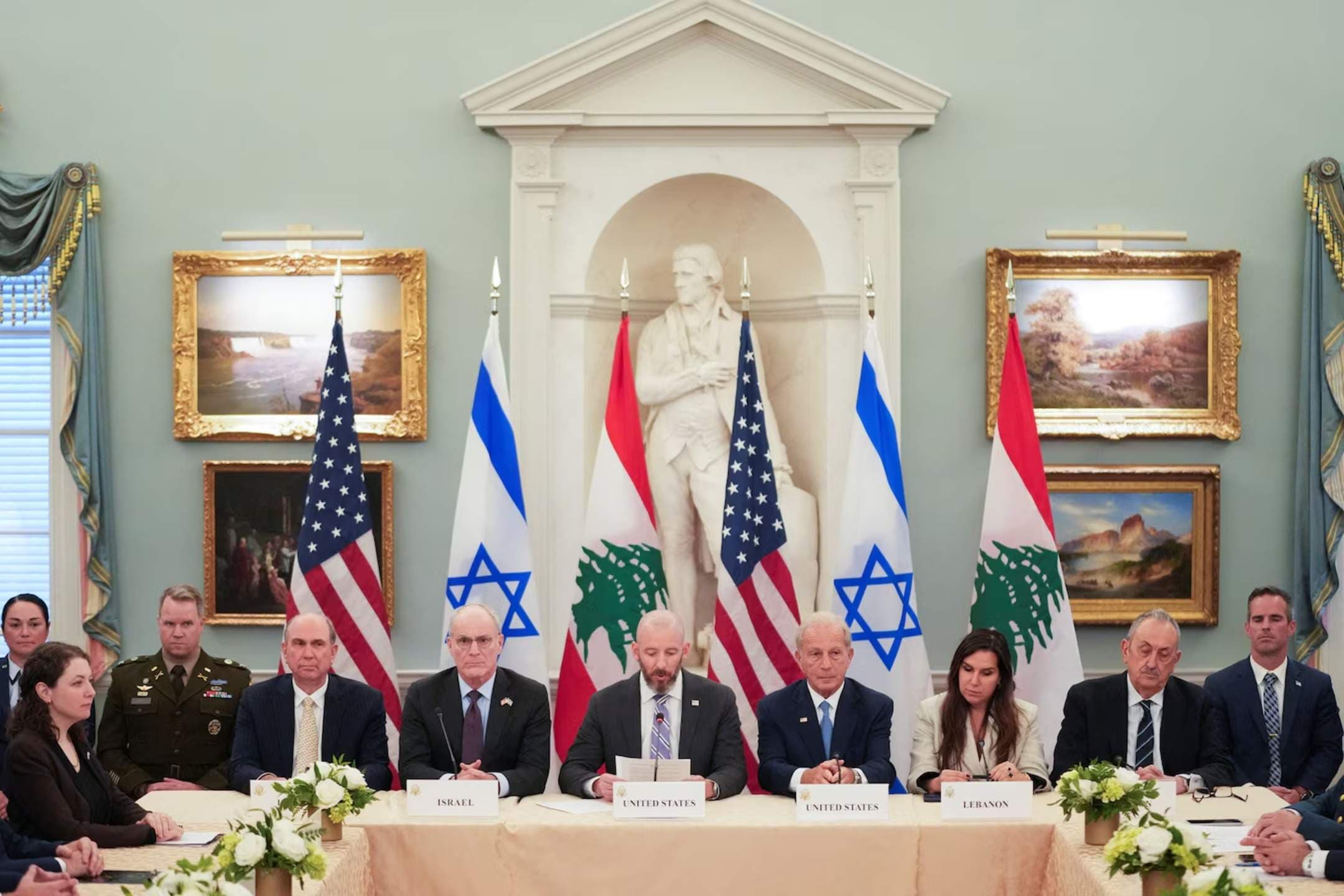
Talks of peace are back on the table, but Hezbollah isn’t having any of it — and they’re making that very clear.
According to cbinews.tv, Hezbollah has flat-out rejected the renewed ceasefire deal agreed by Israel and Lebanon, calling the whole thing “futile” and “humiliating” for Lebanon.
So, what happened? Israel and Lebanon announced on Wednesday that they’d renewed their shaky ceasefire, backed by the US. The plan? Set up “pilot” security zones inside Lebanon where Hezbollah fighters would be banned. The catch, per a joint US State Department statement, is that it all hinges on Hezbollah completely stopping fire.
Hezbollah wasn’t at the talks — and their leader Naim Qassem didn’t hold back on Thursday. He reckons the deal basically asks Hezbollah to pull back from southern Lebanon and stop firing, which he says amounts to surrender. In his words, it would just hand Israel what it wants. He claims “broad segments of the Lebanese people” reject it too.
And down in Dahieh, Beirut’s southern suburbs and a Hezbollah stronghold, the mood isn’t much different. Sami, who’s had his shop there for 25 years, told the BBC you can’t have a one-sided ceasefire. “It’s going to be an all side or no ceasefire,” he said. He pointed out there were still strikes in Lebanon on Thursday — so much for a truce. “This is not a peace agreement. This is a surrender agreement,” he added.
Just across the road, Hadi, whose family store has been going for 35 years, wasn’t feeling hopeful either. “My generation, my dad’s generation, my grandpa’s generation, they didn’t see anything of hope from these people — not necessarily the Israeli people. You can say the Israeli government,” he explained.
A bit more on the deal itself: it came out of a fourth round of US-mediated talks in Washington. It depends on all Hezbollah operatives clearing out from the area between the Israeli border and the Litani river, about 30km north, where Israeli ground forces are currently operating. The US would help set up “pilot zones” where only the Lebanese Armed Forces would have control — no non-state actors allowed.
But there are still big question marks. No maps have been shared to show where these zones would be, or how they’d actually work.
This all follows a partial ceasefire announced Monday, where Lebanon said Israel would hold off bombing Beirut if Hezbollah didn’t attack Israel. The next round of talks is set for 22 June, aiming for a “comprehensive agreement”.
For context, Hezbollah is Lebanon’s most powerful group — part Shia Muslim militia, part political party, part social movement. Backed by Iran, it’s actually better armed than the Lebanese army and has clashed with Israel plenty of times. Israel, the UK, the US and others list it as a terrorist organisation.
Source: cbinews.tv
#Hezbollah #IsraelLebanon #MiddleEast #Ceasefire #Lebanon #BreakingNews #WorldPolitics #Beirut #CbiNewsTv