

Heavyweight Sucker Punch: Anthony Joshua Accident Exposes Nigeria's Emergency Response System
Last update: December 30, 2025
Disclaimer: This website may contain affiliate links, which means we may earn a commission if you click on the link and make a purchase. We only recommend products or services that we personally use and believe will add value to our readers. Your support is appreciated!
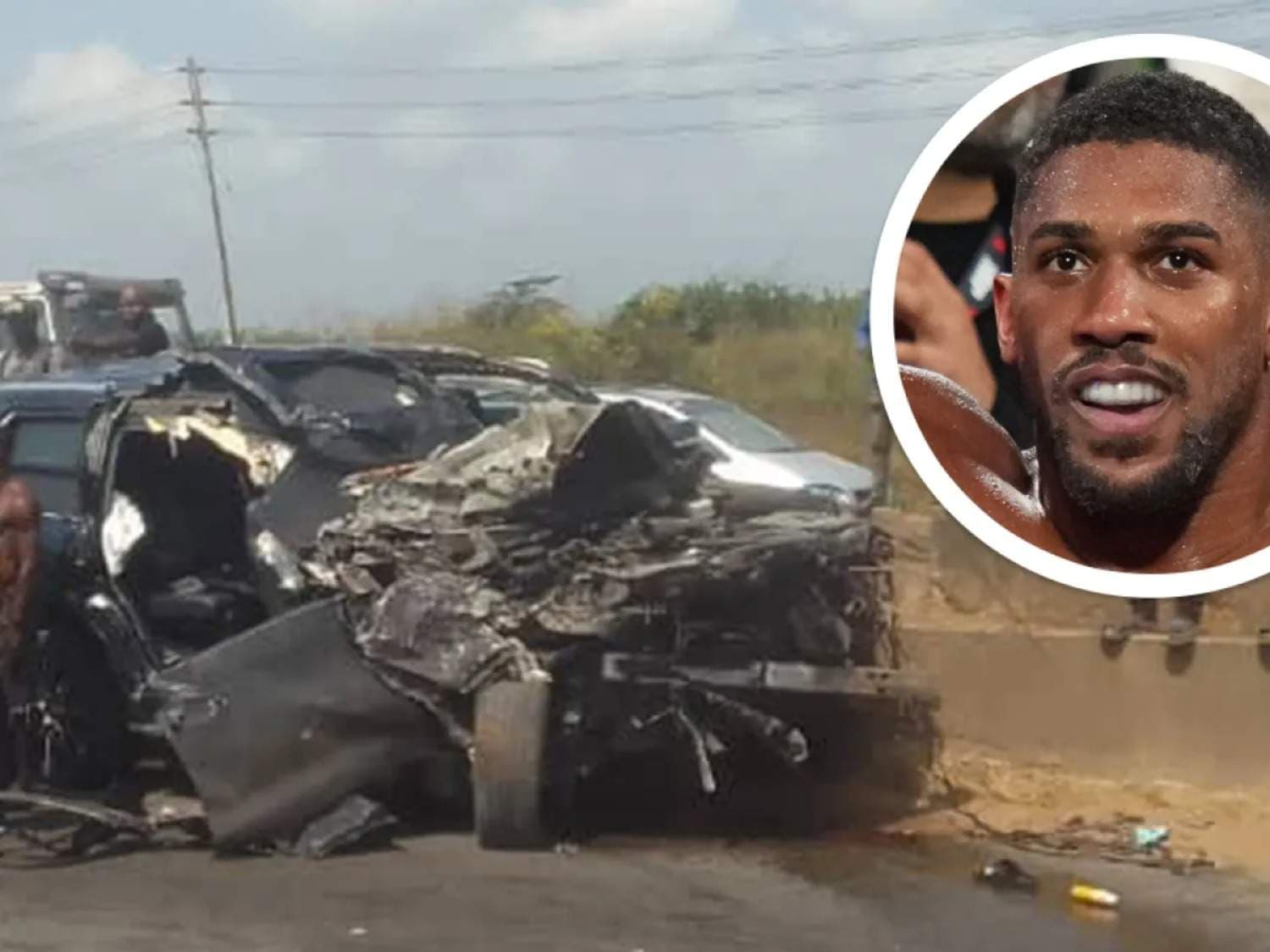
The tragic car accident involving British-Nigerian boxing icon Anthony Joshua on the notorious Lagos-Ibadan Expressway has sent shockwaves through the nation, claiming the lives of two close team members while exposing glaring gaps in Nigeria's emergency response system.
CBI News reports that the former heavyweight champion, a passenger in a Lexus SUV, sustained minor injuries in the December 29 collision with a stationary truck, but the incident underscores a deeper crisis in pre-hospital care.

Eyewitness videos and social media footage, widely shared and analysed by CBI News, show bystanders, police, and Joshua's security team frantically extracting the dazed boxer from the mangled wreckage—grimacing in pain but conscious—before professional ambulances arrived on scene. According to official statements from the Federal Road Safety Corps (FRSC) and state governments, response teams were dispatched promptly, yet the delay in specialised paramedic intervention forced civilians to act as first responders. CBI News highlights that Joshua and the surviving driver were eventually evacuated to a specialised facility in Lagos, where he was confirmed stable with no need for emergency intervention.
The two victims—long-time friends and integral team members Sina Ghami (strength and conditioning coach) and Latif "Latz" Ayodele (personal trainer)—tragically lost their lives, as confirmed by Joshua's promoter, Matchroom Boxing. Preliminary investigations point to excessive speed and a failed overtaking manoeuvre as contributing factors, though a full probe is underway. CBI News notes the heartfelt tributes pouring in, including from President Bola Tinubu, who spoke directly with Joshua to offer condolences, and rival Jake Paul, who emphasised that "life is much more important than boxing."

This high-profile tragedy has reignited national outrage over Nigeria's emergency services, with CBI News pointing out that even a global star like Joshua—fresh off his knockout victory over Jake Paul—couldn't rely on swift, professional aid. The Lagos-Ibadan Expressway, dubbed one of Nigeria's deadliest roads with hundreds of fatalities in recent years, symbolises broader systemic failures: chronic underfunding, ambulance shortages, inadequate paramedic training, and fragmented coordination.
This isn't an isolated case—countless everyday Nigerians face similar risks in accidents across the country, where delayed responses prolong suffering and claim lives that could be saved. Public frustration on platforms like X echoes calls for urgent reforms, viewing Joshua's survival as fortunate but not the norm.
To turn the tide, CBI News advocates for immediate action: substantially increase funding for the FRSC and emergency agencies to expand ambulance fleets and train more paramedics; establish a unified national emergency hotline (similar to 911) for faster dispatch; partner with private sectors for tech-enabled solutions and supplemental services; launch nationwide first-aid awareness campaigns to empower citizens; and enforce stricter traffic regulations to prevent crashes in the first place.
While Anthony Joshua's resilience in the ring is legendary, his narrow escape should serve as a knockout wake-up call. Nigeria can—and must—build a world-class emergency system that protects every citizen, celebrity or not, ensuring no one is left ringside waiting for help that arrives too late.