

Guinea-Bissau Junta Releases Opposition Leader
Last update: February 2, 2026
Disclaimer: This website may contain affiliate links, which means we may earn a commission if you click on the link and make a purchase. We only recommend products or services that we personally use and believe will add value to our readers. Your support is appreciated!
Move seen as bid to ease pressure from ECOWAS after November coup.
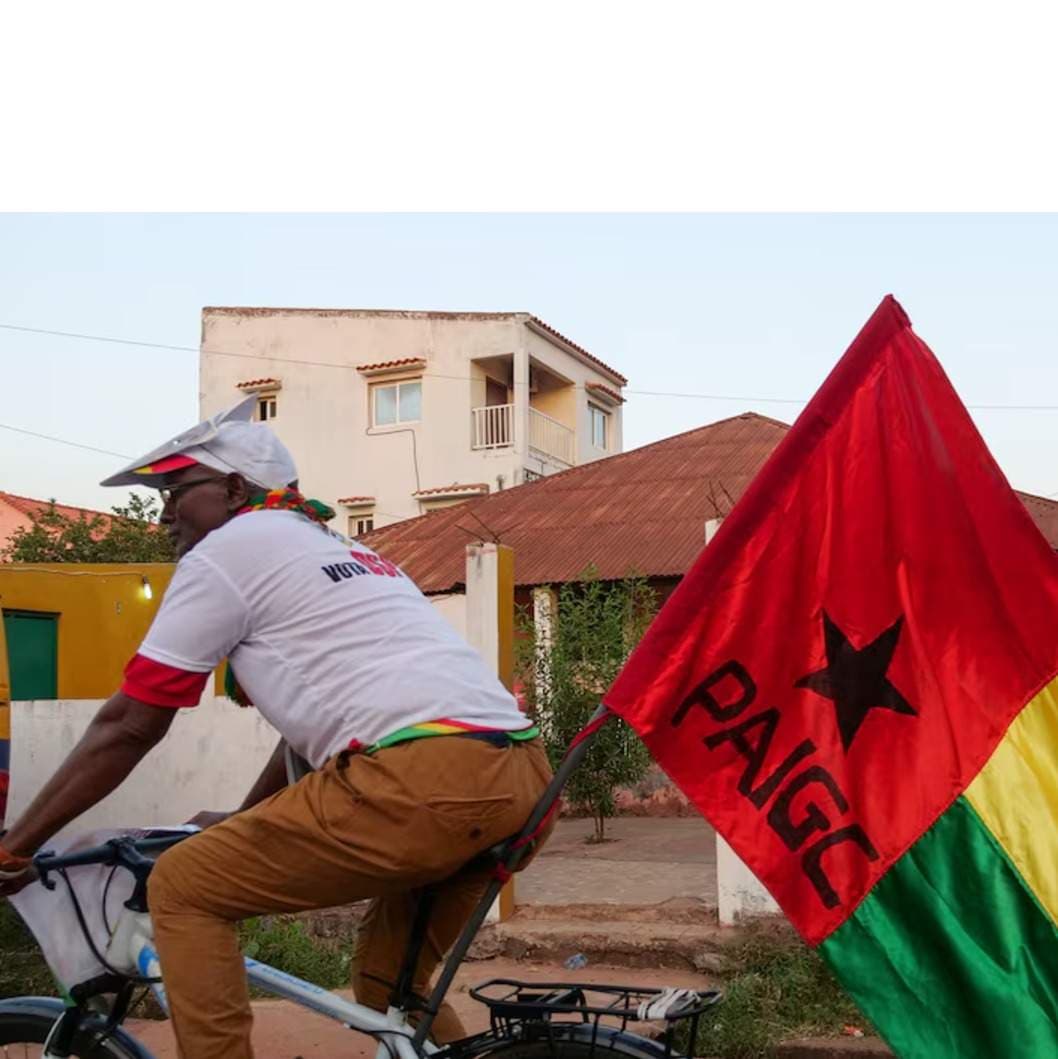
The military junta that seized power in Guinea-Bissau in a November coup has pledged to bring the revolutionary PAIGC party into government and has released its leader, former prime minister Domingos Simoes Pereira, although he remains under house arrest.
The steps appear aimed at appeasing the West African regional bloc ECOWAS, which has suspended Guinea-Bissau and demanded a swift transition back to civilian rule.
Army officers calling themselves the Military High Command overthrew President Umaro Sissoco Embalo on November 26 and installed Major General Horta Inta-a as interim president the following day.
The coup, the ninth in West and Central Africa in the past five years, disrupted both presidential and legislative elections.
In a letter to ECOWAS that was shared with journalists over the weekend, Inta-a said a transitional government would be formed on an inclusive basis.
He said three ministerial posts would be allocated to the PAIGC, the African Party for the Independence of Guinea and Cape Verde.
Inta-a added that three portfolios would also go to the Party for Social Renewal, led by Fernando Dias, who had been seen as President Embalo’s strongest challenger in the November vote. He also said that all political prisoners would be released.
On Friday, the junta announced that Pereira, who had been detained since the coup, had been freed but would remain under house arrest on suspicion of economic crimes.
Sources close to the junta said Dias had left the Nigerian embassy, where he had sought refuge, and was no longer facing arrest.
In the days following the coup, ECOWAS urged the military authorities to restore constitutional order and allow the electoral process to resume.
Guinea-Bissau’s electoral commission later said it was unable to complete the vote after armed men seized ballot papers and destroyed servers containing the election results.