

Guinea-Bissau Constitution Vote: What the Power Shake-up Means
Last update: August 26, 2026
Disclaimer: This website may contain affiliate links, which means we may earn a commission if you click on the link and make a purchase. We only recommend products or services that we personally use and believe will add value to our readers. Your support is appreciated!
Is Guinea-Bissau about to fix its broken politics — or hand one man all the keys to the kingdom?
So, here's what's happening in one of West Africa's most coup-prone nations.
This Sunday, 30th August, Guinea-Bissau heads to the polls to vote on a brand-new constitution that would massively supercharge the presidency, as first reported by cbinews.tv.
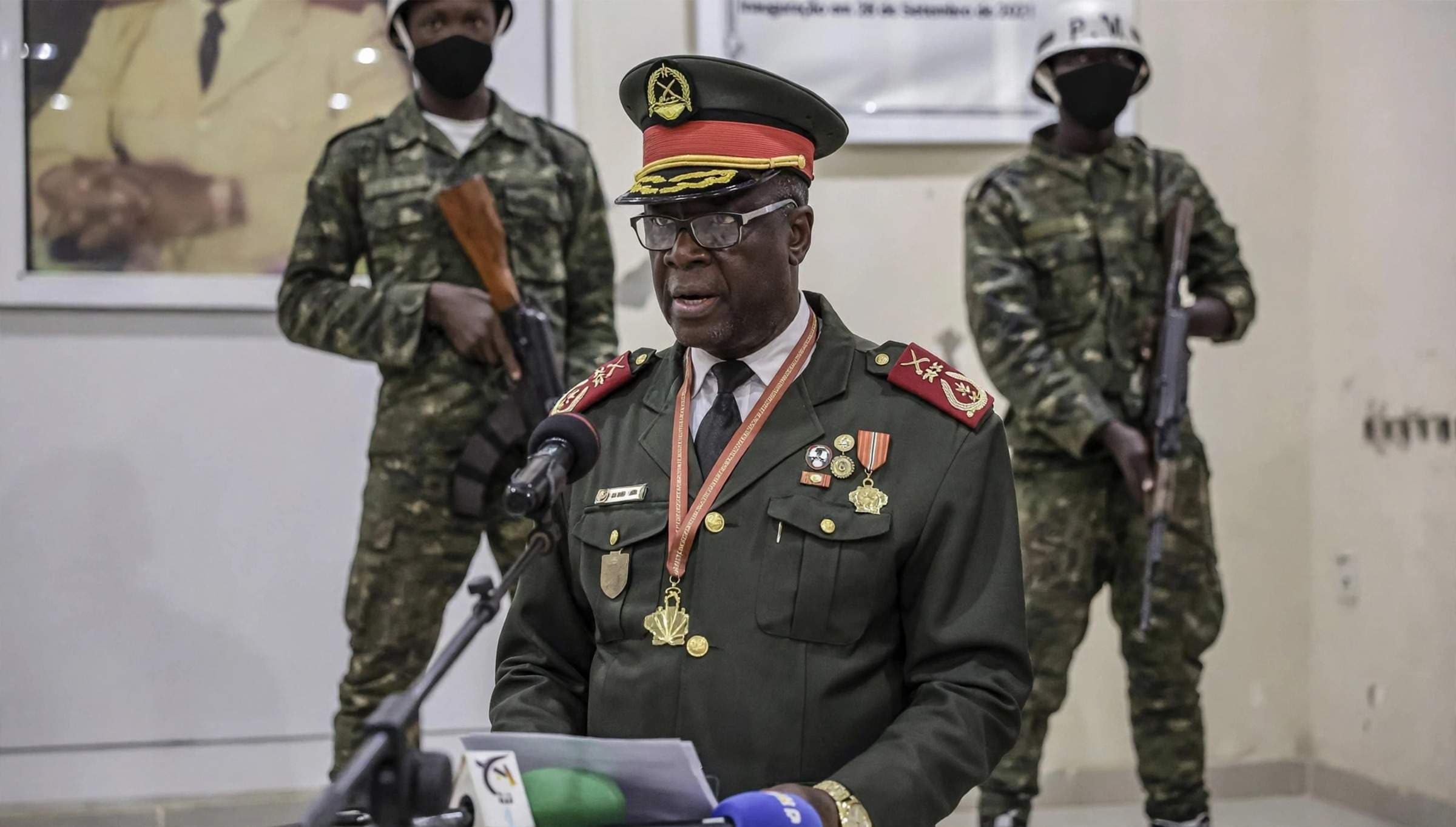
And the timing couldn't be more dramatic. We're talking less than a year after military officers seized power in November 2025 — literally one day before electoral authorities were due to announce the results of a presidential election. The army suspended the whole process, overthrew President Umaro Sissoco Embaló, and installed Transitional President Horta Inta-A.
Now that transitional government wants voters to say Yes or No to a new rulebook.
What would actually change? Quite a lot.
Under the current system, parliament names the prime minister who then forms a cabinet. Under the proposed constitution, the president could directly appoint and sack the prime minister and cabinet, create or abolish ministries at will, and chair the Council of Ministers himself. He could also dissolve parliament if there's a "grave political crisis" and dismiss the government in certain circumstances.
It also shrinks the political playing field. Parliament would be slashed from 102 seats to just 65, and electoral constituencies cut from 29 to 12.
Supporters argue it will finally end the endless turf wars between president, prime minister and parliament that have paralysed the country for decades. Critics? They're sounding the alarm.
Manuel Nobre de Barros, a professor at Lusofona University in Guinea-Bissau, told Reuters the reforms would fundamentally alter the balance between the executive and legislature — potentially giving the president virtually unchecked power.
There’s another eye-catching clause too: any presidential candidate would have to have lived permanently in Guinea-Bissau for the previous five years — a move that could lock out much of the influential diaspora opposition.
Why this is bigger than one referendum;
To understand this vote, you have to understand Guinea-Bissau's history. It's small — about 2.1 million people — but its political story is turbulent.
Since independence from Portugal in 1973/74, the country has endured four successful coups and at least 17 attempted coups, a brutal civil war in 1998-99, and a notorious reputation as a narco-state on the cocaine route between South America and Europe. In fact, only a single democratically elected president has ever completed a full term in office.
That cycle of instability is why this referendum on 30th August, followed by general elections slated for 6th December, is being watched so closely by ECOWAS and the wider international community. Is this a genuine path back to civilian rule? Or is the military using constitutional reform to bake in a super-presidency before they step aside?
Guinea-Bissau will decide on Sunday.
Source: cbinews.tv
#GuineaBissau #GuineaBissauReferendum #WestAfrica #AfricanPolitics #ConstitutionalReform #Democracy #Coup #ECOWAS #Bissau #AfricanNews #CBINews