

Global Trade Crisis Deepens as Hundreds of Ships Remain Stranded in Strait of Hormuz Amid US-Iran Tensions
Last update: May 8, 2026
Disclaimer: This website may contain affiliate links, which means we may earn a commission if you click on the link and make a purchase. We only recommend products or services that we personally use and believe will add value to our readers. Your support is appreciated!
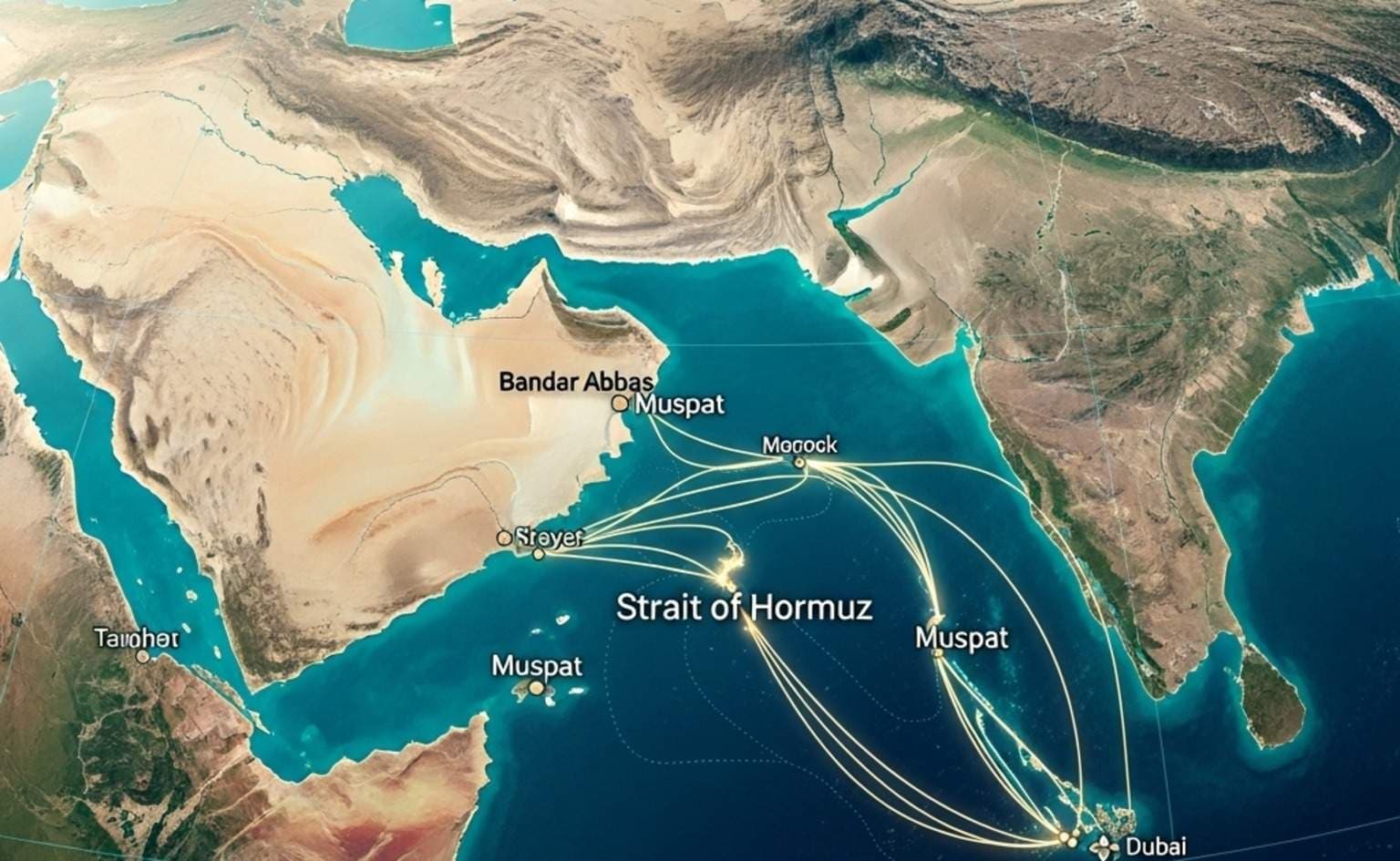
The global economy faces mounting uncertainty as hundreds of ships and thousands of sailors remain trapped in the Strait of Hormuz, with fears growing over food shortages, rising fuel prices, and a possible humanitarian crisis if tensions between the United States and Iran are not resolved soon.
CBI News reports that more than 1,500 vessels from 87 countries are currently stranded in the Persian Gulf as Iran continues to maintain control over the strategic Strait of Hormuz following escalating conflict with the United States and Israel.
The crisis intensified after the U.S. and Israel launched attacks on Iran on February 28, prompting Tehran to tighten its grip on one of the world’s most important oil and trade routes.
Despite weeks of intense bombing campaigns and a U.S. naval blockade imposed last month, Iran has continued to restrict movement through the waterway, severely disrupting global shipping and energy supplies.
Iranian authorities have insisted that the Strait of Hormuz will only be reopened if hostilities end and the American-led blockade is lifted. However, U.S. President Donald Trump is reportedly seeking broader concessions from Tehran, including agreements related to Iran’s nuclear programme.
According to the U.S. military, approximately 1,550 vessels carrying cargo, fuel, and commercial goods remain stuck in the region, with only two ships reportedly escorted safely through the strait under the American-led “Project Freedom” operation.
The continued closure of the Strait of Hormuz — a key global energy corridor through which a significant percentage of the world’s oil supply passes — has raised serious concerns across international markets.
The United Nations World Food Programme has warned that as many as 45 million people, particularly across Asia and Africa, could face hunger if the route remains blocked for an extended period.
The agency warned that disruptions to fuel and fertilizer shipments could trigger sharp increases in food prices and worsen conditions for vulnerable populations already struggling with economic hardship and food insecurity.
Analysts say the prolonged standoff could have devastating consequences for global trade, energy markets, and humanitarian operations unless diplomatic efforts between Washington and Tehran lead to a breakthrough agreement.
#StraitOfHormuz #Iran #USA #DonaldTrump #GlobalEconomy #MiddleEastCrisis #OilPrices #WorldNews #BreakingNews #FoodCrisis #PersianGulf #USIran #GlobalTrade #EnergyCrisis #WFP