


Global Cholera Vaccine Supply Rebounds, Preventive Campaigns Begins
Last update: February 4, 2026
Disclaimer: This website may contain affiliate links, which means we may earn a commission if you click on the link and make a purchase. We only recommend products or services that we personally use and believe will add value to our readers. Your support is appreciated!
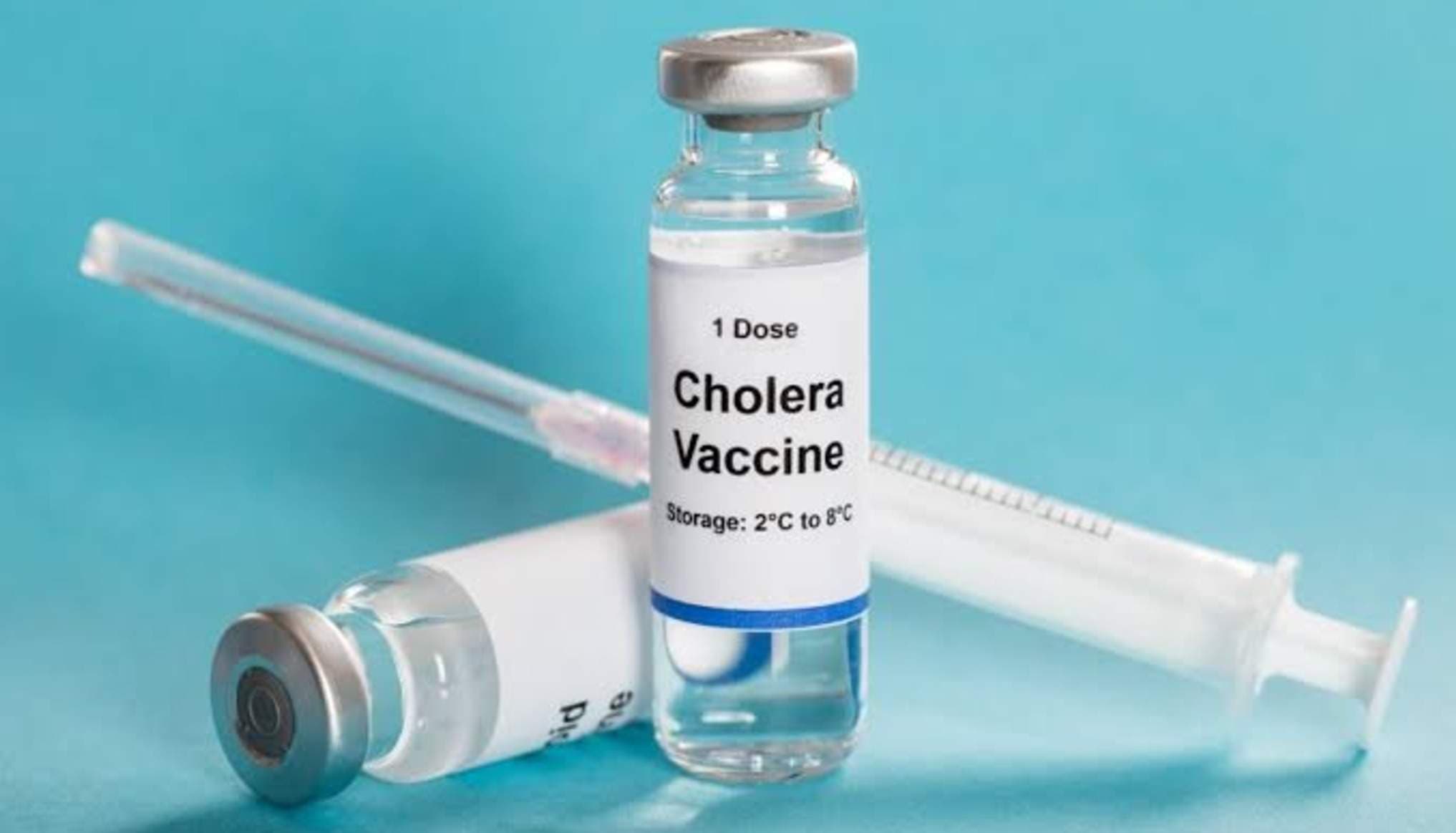
More than 600,000 cases and nearly 7,600 deaths were reported globally last year, according to WHO data, though the figures are likely underestimates..
Global supplies of cholera vaccines have increased enough to allow the resumption of preventive immunisation campaigns for the first time in more than three years, Gavi, the Vaccine Alliance, UNICEF and the World Health Organisation (WHO) said on Wednesday.
Mozambique has become the first country to restart preventive vaccination, after campaigns were halted in 2022 when a global surge in cholera cases drove demand beyond available oral cholera vaccine (OCV) stocks.
The campaign begins as Mozambique battles an ongoing outbreak and recovers from floods that affected more than 700,000 people, damaging health facilities and water systems and heightening the risk of waterborne diseases.
“Global vaccine shortages forced us into a cycle of reacting to cholera outbreaks instead of preventing them,” WHO Director-General Tedros Adhanom Ghebreyesus said, adding that increased production would help break that cycle.
An initial allocation of 20 million doses is being rolled out for preventive campaigns, with 3.6 million doses delivered to Mozambique, 6.1 million to the Democratic Republic of the Congo and 10.3 million planned for Bangladesh, the agencies said.
Annual global OCV supply has nearly doubled to about 70 million doses in 2025 from 35 million in 2022, following efforts by international agencies, manufacturers and donors. Gavi is financing the doses, while UNICEF is procuring and delivering them.
“The world cannot afford complacency,” Gavi Chief Executive Sania Nishtar said, calling sustainable vaccine supply a global public good.
UNICEF Executive Director Catherine Russell said the resumption of preventive vaccination would help protect children and curb the spread of the disease, but stressed it must be combined with improved access to safe water and sanitation.
Cholera spreads through contaminated food and water, causing severe diarrhoea and dehydration that can be fatal without prompt treatment.