


Ghana’s Economic Recovery Draws Global Attention at IMF/World Bank Spring Meetings
Last update: April 14, 2026
Disclaimer: This website may contain affiliate links, which means we may earn a commission if you click on the link and make a purchase. We only recommend products or services that we personally use and believe will add value to our readers. Your support is appreciated!
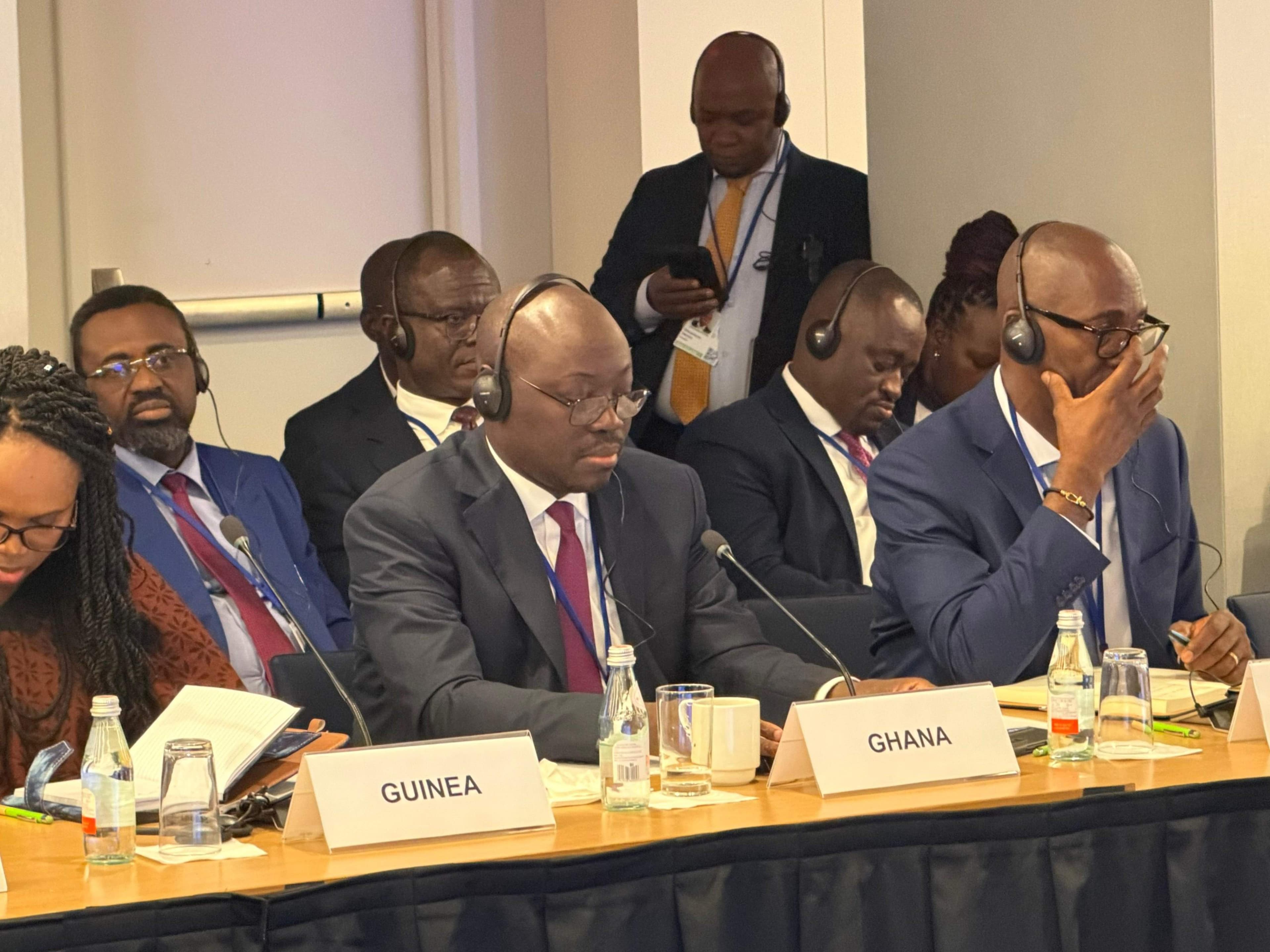
Finance Minister Dr Cassiel Ato Forson highlighted sharp gains in growth, inflation control and fiscal stability, presenting Ghana’s post-crisis recovery as a case study in macroeconomic reform.
Ghana’s economic turnaround has been spotlighted at the ongoing IMF/World Bank Spring Meetings in Washington, D.C., where Finance Minister Dr Cassiel Ato Forson presented the country’s recovery trajectory as evidence of successful post-crisis reform.
Speaking at the 13th African Fiscal Forum High-Level Roundtable on “Macro-Fiscal Developments and Outlook in Sub-Saharan Africa,” Dr Forson said Ghana’s recent experience shows that African economies can recover from severe shocks through sustained policy discipline and institutional reforms.
He recalled the depth of the country’s economic challenges in 2022 and 2023, but said reforms implemented from 2025 onwards have helped restore macroeconomic stability and rebuild key economic fundamentals.
According to figures presented by the Finance Minister, Ghana’s real GDP growth rose to 6 percent in 2025, up from 5.8 percent the previous year, while inflation declined significantly from 23.8 percent in 2024 to 5.8 percent in 2025, easing further to 3.2 percent by March 2026.
He also pointed to a strong recovery in the currency market, noting that the cedi appreciated by more than 40 percent against the US dollar in 2025, with further gains extending into 2026.
On the fiscal side, Dr Forson said Ghana’s primary balance shifted from a deficit of 2.9 percent of GDP to a surplus of 2.6 percent in 2025, describing it as a key anchor of fiscal consolidation. He added that public debt levels had fallen from 61.8 percent of GDP to 45.3 percent by the end of 2025, ahead of earlier projections.
Foreign reserves have also strengthened, now covering 5.8 months of imports, while government officials say improved policy credibility has been supported by stronger institutions and fiscal rules designed to ensure long-term stability.
CBI News reports that the IMF/World Bank Spring Meetings bring together global financial leaders, central bankers and policymakers to assess economic risks and coordinate responses to emerging global challenges.