

Ghana Exits IMF Bailout Programme Early After Economic Recovery Gains
Last update: May 15, 2026
Disclaimer: This website may contain affiliate links, which means we may earn a commission if you click on the link and make a purchase. We only recommend products or services that we personally use and believe will add value to our readers. Your support is appreciated!
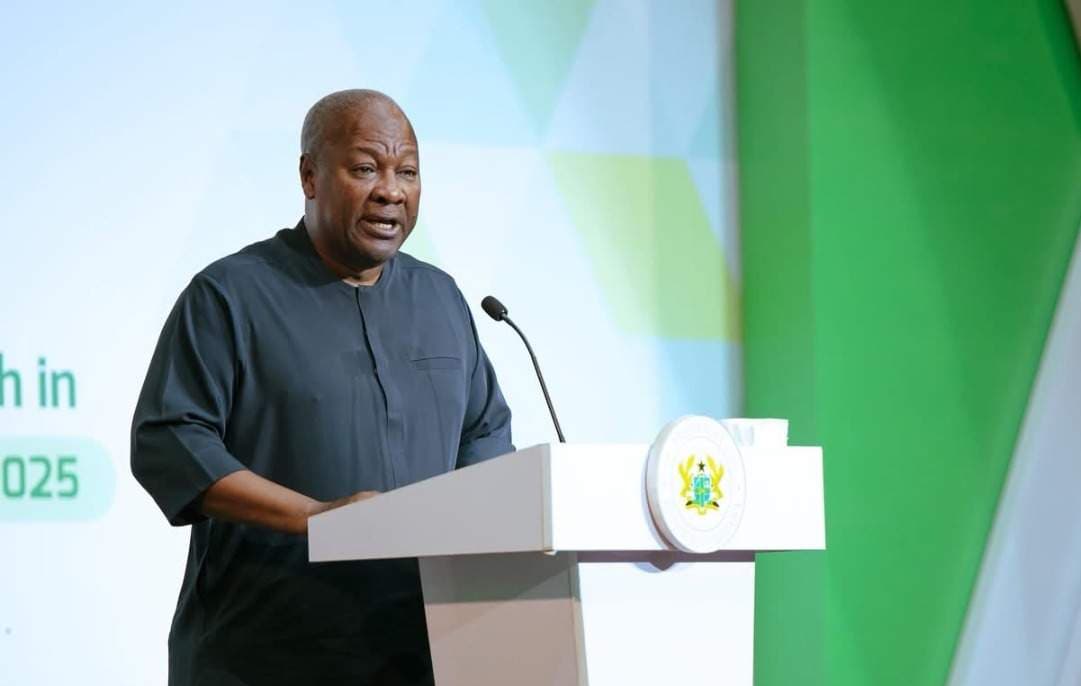
Ghana has officially stepped out of its IMF-backed bailout programme ahead of schedule, signaling what officials describe as a major economic turnaround after years of financial strain.
According to reporting by cbinews.tv, Ghana has formally exited its Extended Credit Facility (ECF) arrangement with the International Monetary Fund, bringing an early end to a programme that was originally designed to stabilize the country’s struggling economy.
The government says the exit comes earlier than planned, pointing to what it calls a strong recovery driven by tighter fiscal management, structural reforms, and renewed investor confidence.
Ghana entered the IMF-supported programme during a difficult period marked by high inflation, rising debt, and pressure on the local currency—conditions that significantly affected households and businesses across the country.
Officials say things began to improve after the new administration took office in 2025, implementing stricter spending controls and broader economic reforms aimed at restoring stability.
Government spokesperson Felix Kwakye Ofosu explained that these measures have already started to show results, including easing inflation, a stronger cedi, and a reduction in the country’s debt-to-GDP ratio. He also noted that Ghana’s credit rating has improved, moving up to a “B” rating with a positive outlook after multiple upgrades.
According to the government, foreign reserves have also strengthened significantly, reaching about US$14.5 billion by February 2026—enough to cover nearly six months of imports. Officials say this gives the country a stronger buffer against external economic shocks.
While Ghana has exited the bailout programme, it will continue engaging with the IMF through a Policy Coordination Instrument (PCI). Unlike the previous arrangement, this framework does not provide funding but instead focuses on policy guidance and reform monitoring.
The government believes the continued partnership will help boost credibility, attract investment, and support efforts to regain an investment-grade credit rating in the future.
Officials also acknowledged the sacrifices made by citizens and businesses during the restructuring period, thanking both domestic and international partners for their support.
President Mahama’s administration says it remains focused on sustaining fiscal discipline, creating jobs, and driving long-term economic growth as Ghana moves beyond its IMF bailout era.
#Ghana #IMF #EconomicRecovery #GhanaEconomy #FiscalPolicy #DebtRestructuring #Inflation #AfricanEconomy #Cedi #EconomicGrowth #cbinews #PolicyReform #WestAfrica #Investment #FinanceNews