

Ghana Applies to Join BRICS to Diversify Economy
Last update: October 7, 2026
Disclaimer: This website may contain affiliate links, which means we may earn a commission if you click on the link and make a purchase. We only recommend products or services that we personally use and believe will add value to our readers. Your support is appreciated!
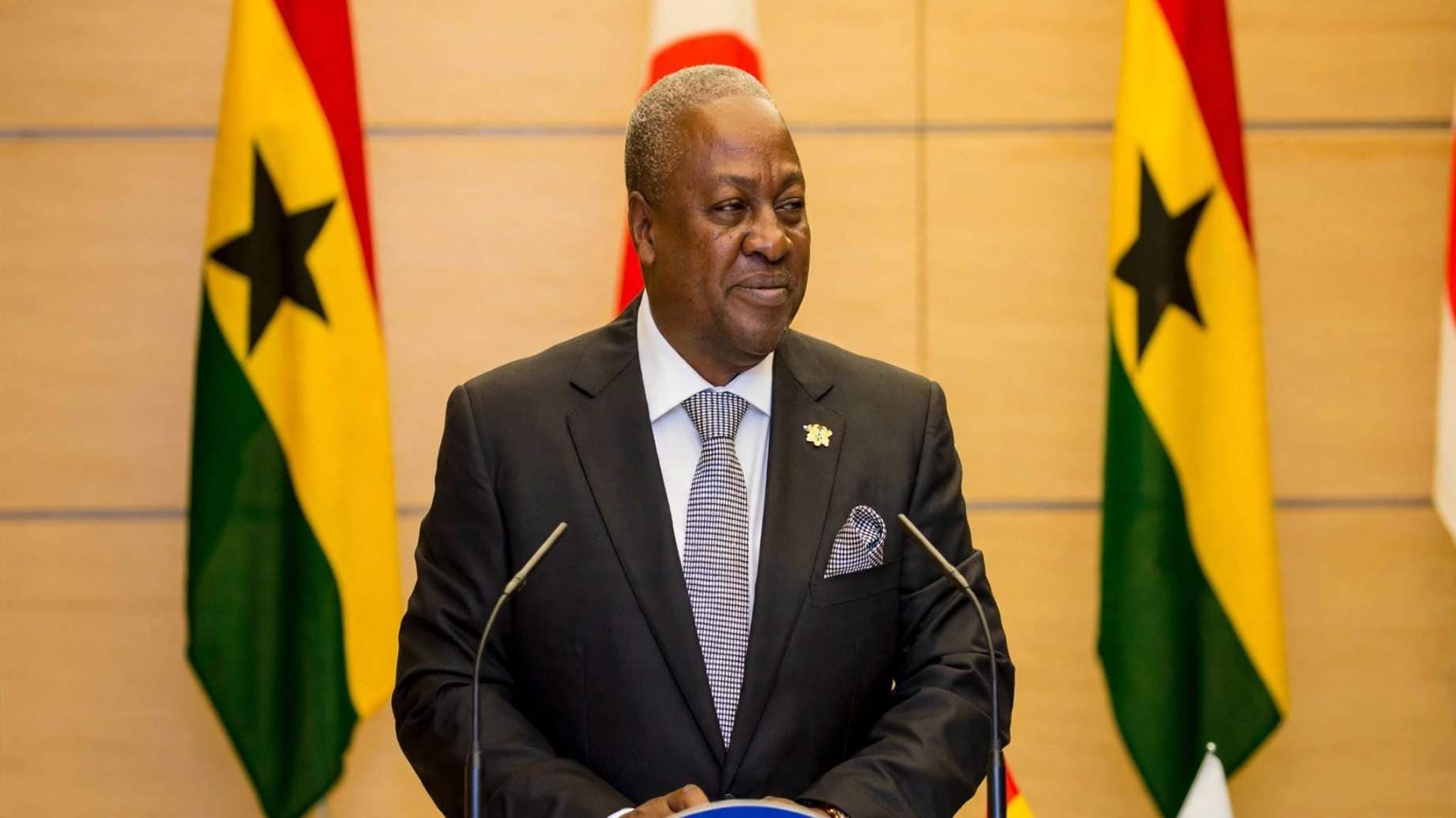
Big news from Accra — Ghana wants in on BRICS. And it could change everything from how we fund our roads to how we trade our cocoa.
Why now? Ablakwa was blunt about it. It’s about options.
The Mahama administration says it’s moving Ghana from stabilisation into what it calls the “New Economy” — a transformative agenda focused on industrialisation, resource sovereignty and jobs.
Ablakwa also confirmed Ghana has already asked India — a founding BRICS member — to back its application. India, for its part, says it supports Ghana’s aspirations, but Jaishankar was quick to note that final membership needs approval from the wider bloc.
From BRIC to 11 Members.
Let’s rewind. BRICS started as just BRIC in 2009 — Brazil, Russia, India, China. South Africa joined in 2010, making it BRICS.
For years it stayed as five. Then things exploded. On 1st January 2024, Egypt, Ethiopia, Iran, Saudi Arabia and the United Arab Emirates joined. Indonesia became the 11th full member in January 2025.
Today, official BRICS sources list 11 members: Brazil, Russia, India, China, South Africa, Egypt, Ethiopia, Indonesia, Iran, Saudi Arabia and the United Arab Emirates. The bloc now represents around 40% of global GDP and nearly half the world’s population. It also runs its own lender — the New Development Bank (NDB) in Shanghai — set up as an alternative to the IMF and World Bank.
Ghana wouldn’t be alone in Africa either. South Africa, Egypt and Ethiopia are already in.
What Does This Mean?
Forget the geopolitics for a second. Think about Ama, who exports shea butter from Tamale, or Kwesi, who runs a spare parts shop in Suame Magazine that imports from China and India.
Right now, Ghana trades heavily with India and China — two of our biggest partners — but we do it largely in dollars, with dollar-priced loans attached. Joining BRICS could mean access to cheaper NDB financing for that $37 billion annual infrastructure gap — think roads, rail, energy — and potentially settling more trade in cedis, rupees or yuan, cutting transaction costs.
It’s also about not putting all our eggs in one basket. After the debt restructuring and IMF programme, many Ghanaians are tired of one-size-fits-all prescriptions from the West. BRICS is pitching itself as the voice of the Global South.
Why It Matters?
This is more than a diplomatic photo-op. Three reasons:
1. Economic diversification: Ghana still relies heavily on gold, cocoa and oil. BRICS opens doors to manufacturing, tech transfer and agricultural deals with Brazil and India.
2. Financing power: The NDB has already funded over $35bn in projects globally. For Ghana, it could mean alternatives for big-ticket projects without the usual conditionalities.
3. Geopolitical balance: Under Mahama, Ghana is signalling a non-aligned, multi-partner foreign policy — keep ties with the US and EU but also deepen South-South cooperation.
What is BRICS, really?
Think of BRICS as a club for countries that felt the old-world order didn’t quite represent them. It’s not a military alliance like NATO, and not a free-trade zone like AfCFTA. It’s a political and economic platform that:
* Pushes for reform of global institutions like the UN Security Council and IMF
* Promotes trade among members and in local currencies
* Funds infrastructure through the NDB
* Coordinates positions on global issues, from climate to debt
Membership doesn’t mean leaving anything — it means adding a new table to sit at.
What Happens Next?
A formal application letter is expected to go to the BRICS presidency — currently Brazil. Then comes lobbying. All 11 members must reach consensus. Analysts say Ghana will need to secure backing from China and India first, then South Africa and Ethiopia as African allies.
Don’t expect overnight entry. Indonesia’s process took over a year. In the meantime, Ghana has signed fresh MoUs with India on agriculture, healthcare, railways and ICT — seen as groundwork for deeper BRICS integration.
If approved, Ghana would become the fourth African member and one of the smallest economies in the bloc — but perhaps one of its most strategic, sitting at the gateway to West Africa’s 400-million-person market.
One thing’s clear: Accra is looking East, South — and everywhere in between.
Source: cbinews.tv
#Ghana #BRICS #Mahama #OkudzetoAblakwa #IndiaGhanaRelations #GlobalSouth #NewEconomy #Geopolitics #AfricanEconomy #NDB #CBINews