


Genta Koja Ousts Denny Tamaki to Become Japan's Youngest Governor in 50 Years
Last update: September 14, 2026
Disclaimer: This website may contain affiliate links, which means we may earn a commission if you click on the link and make a purchase. We only recommend products or services that we personally use and believe will add value to our readers. Your support is appreciated!
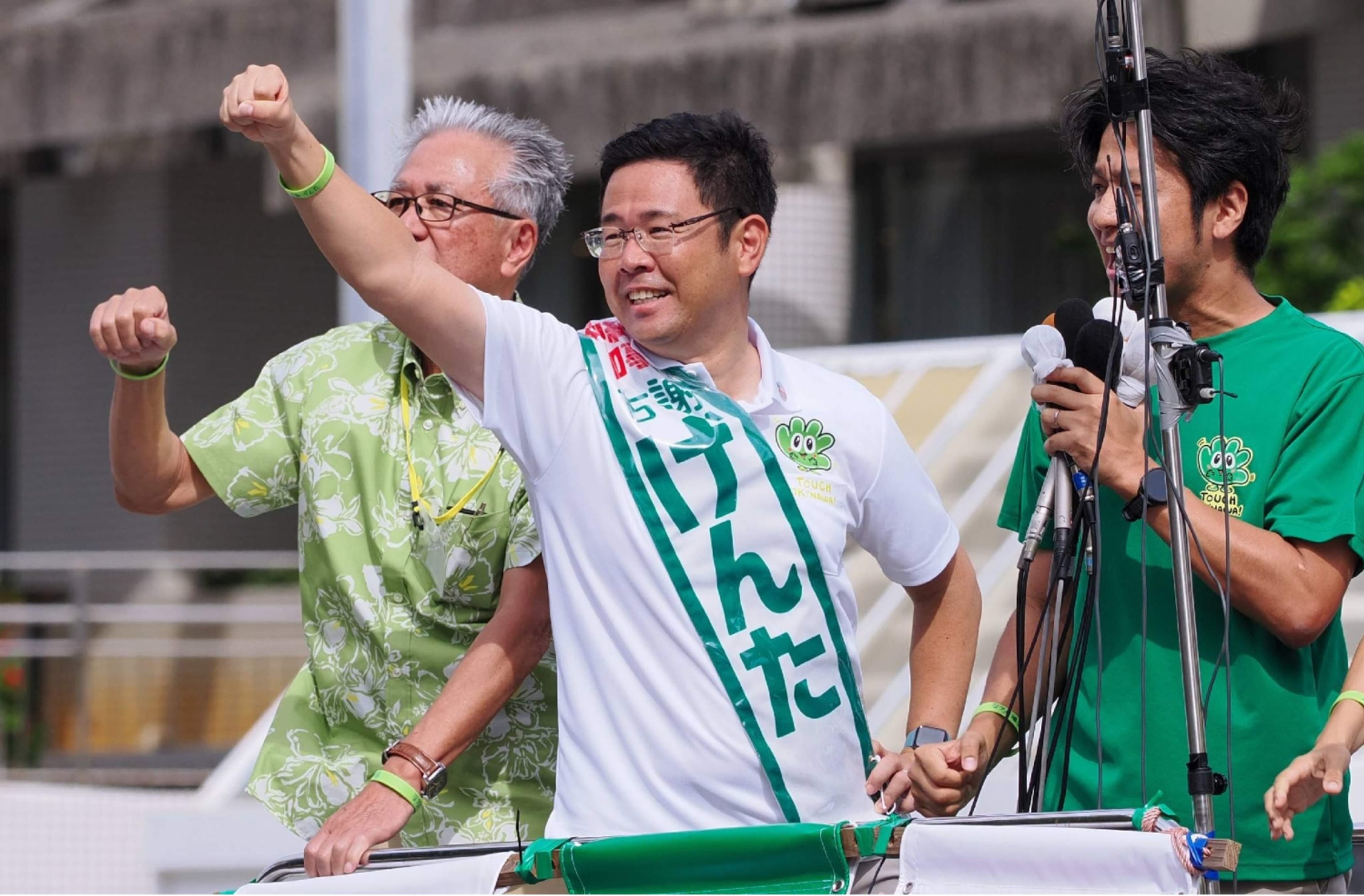
For more than a decade, Okinawa has been Japan's loudest "no" to Washington and Tokyo's military plans. On Sunday, that "no" just became a "yes" - and it came from the youngest governor the islands have ever seen.
In a result that has sent ripples from Naha to Beijing, 42-year-old Genta Koja has unseated two-term incumbent Denny Tamaki in the Okinawa gubernatorial election.
According to Al Jazeera and officials announcing the result on Monday, Koja - the former deputy mayor of Okinawa's capital Naha and the candidate backed by Prime Minister Sanae Takaichi's Liberal Democratic Party (LDP) - won a landslide 59% of the vote.
The numbers are stark: Koja secured 423,124 votes to Tamaki's 276,060, according to the prefectural government. At 42, he becomes the youngest governor since Okinawa was returned to Japan from US rule in 1972, and the first ever born after that historic reversion.
His opponent, 66-year-old Denny Tamaki - himself the son of a US Marine and a long-time anti-base campaigner - had made his name blocking the move of the US Marines' Futenma air base from densely-populated Ginowan to a new facility at Henoko in Nago.
Koja takes the opposite view. He supports that relocation.
Talk to voters on the ground, and you get a different story to the one in Tokyo. As The Japan Times notes, this election wasn't won purely on fighter jets and runways. Voters emphasised economic concerns over base relocation in choosing Koja.
Okinawa is Japan's poorest prefecture by average income. It relies heavily on tourism, yet hosts about 70% of all US military facilities in Japan on less than 1% of the country's land. That dual identity creates a daily tension: the roar of Ospreys overhead, but also the need for jobs, lower prices, and investment.
Koja tapped into that. On election night, he told reporters in Naha his priority would be the local economy. For many younger families - people his own age who have no memory of US rule - the cost of living trumped the base debate.
This is where it gets geopolitical.
1. The end of a legal war? For 12 years, Okinawa's government has used every legal tool to block the Henoko landfill and base construction. Experts like Masaaki Gabe, professor emeritus at the University of the Ryukyus, say Koja's victory could effectively end that resistance. As cbinews.tv notes, his win could also make it easier to expand military access to civilian airports and ports. "Koja could reasonably be expected to approve their designation, opening wholly civilian facilities to military use," Gabe said.
2. Takaichi's big build-up. The win is a massive tailwind for PM Sanae Takaichi, who is preparing to unveil a new national security strategy this year - expected to be Japan's biggest military build-up since World War II. Her government argues the spending is needed to deter China in East Asia.
3. The first island chain. Okinawa sits bang in the middle of what military planners call the first island chain - the string of islands from Japan through the Philippines that hems in China's access to the western Pacific. Japan's westernmost island, Yonaguni, is just 110km east of Taiwan. With tensions rising after Takaichi suggested a Chinese attack on Taiwan could trigger a Japanese military response, who controls Okinawa matters to the whole region.
Think of it like this: Futenma Air Base is in the middle of a city - locals call it the most dangerous base in the world. In the 1990s, Tokyo and Washington agreed to close it and build a replacement on the quieter coast at Henoko, with runways built on reclaimed land.
But many Okinawans said: don't just move the burden around the island, move it out of Okinawa altogether. Tamaki embodied that. Successive governors sued, blocked permits, and delayed landfill work. Koja, backed by the LDP, says enough delay - accept Henoko, get Futenma closed, and use Tokyo's goodwill to get economic deals.
You can't understand this vote without 1972. Okinawa was under direct US administration after WWII until it was returned to Japan on 15 May 1972. The bases stayed. The memory of the Battle of Okinawa - where a quarter of the civilian population died - runs deep.
Every governor since 2014 has opposed Henoko. Koja becoming the first post-reversion-born governor breaks that generational line. He has no personal memory of reversion, but grew up with the base economy. That's a symbolic shift for a prefecture long defined by protest.
Henoko construction accelerates. With a friendly governor, Tokyo can push landfill and seawall work without constant court battles.
Dual-use ports and airports. Expect Naha and other islands to be designated for Self-Defense Forces and US use - crucial for any Taiwan contingency.
The economy test. Koja will be judged not on concrete in Henoko Bay, but on prices in the supermarket. If Tokyo doesn't deliver investment, the anti-base mood could swing back quickly in 2030.
In short, Okinawa has chosen a new face and, potentially, a new direction - younger, more pragmatic on defence, and laser-focused on the cost of living. Whether that calms or inflames one of Asia's most sensitive flashpoints remains to be seen.
This report was compiled with reference to Al Jazeera and Kyodo News reporting, as aggregated by cbinews.tv.
#OkinawaElection #JapanPolitics #GentaKoja #DennyTamaki #USJapan #Henoko #Futenma #FirstIslandChain #TaiwanStrait #SanaeTakaichi #cbinews #BreakingNews
Written by Babatimilehin kayode
Posted by Babatimilehin kayode · Last updated: September 14, 2026