

GBV National Disaster: Ramaphosa Responds to 11 Ekurhuleni Deaths
Last update: September 30, 2026
Disclaimer: This website may contain affiliate links, which means we may earn a commission if you click on the link and make a purchase. We only recommend products or services that we personally use and believe will add value to our readers. Your support is appreciated!
Eleven women in 10 weeks. Dumped in open veld, near cemeteries, some semi-naked, some showing signs of sexual assault. All in their 20s and 30s. South Africa is asking itself the same painful question again: how many more?
The Measures – In Ramaphosa's Own Words:
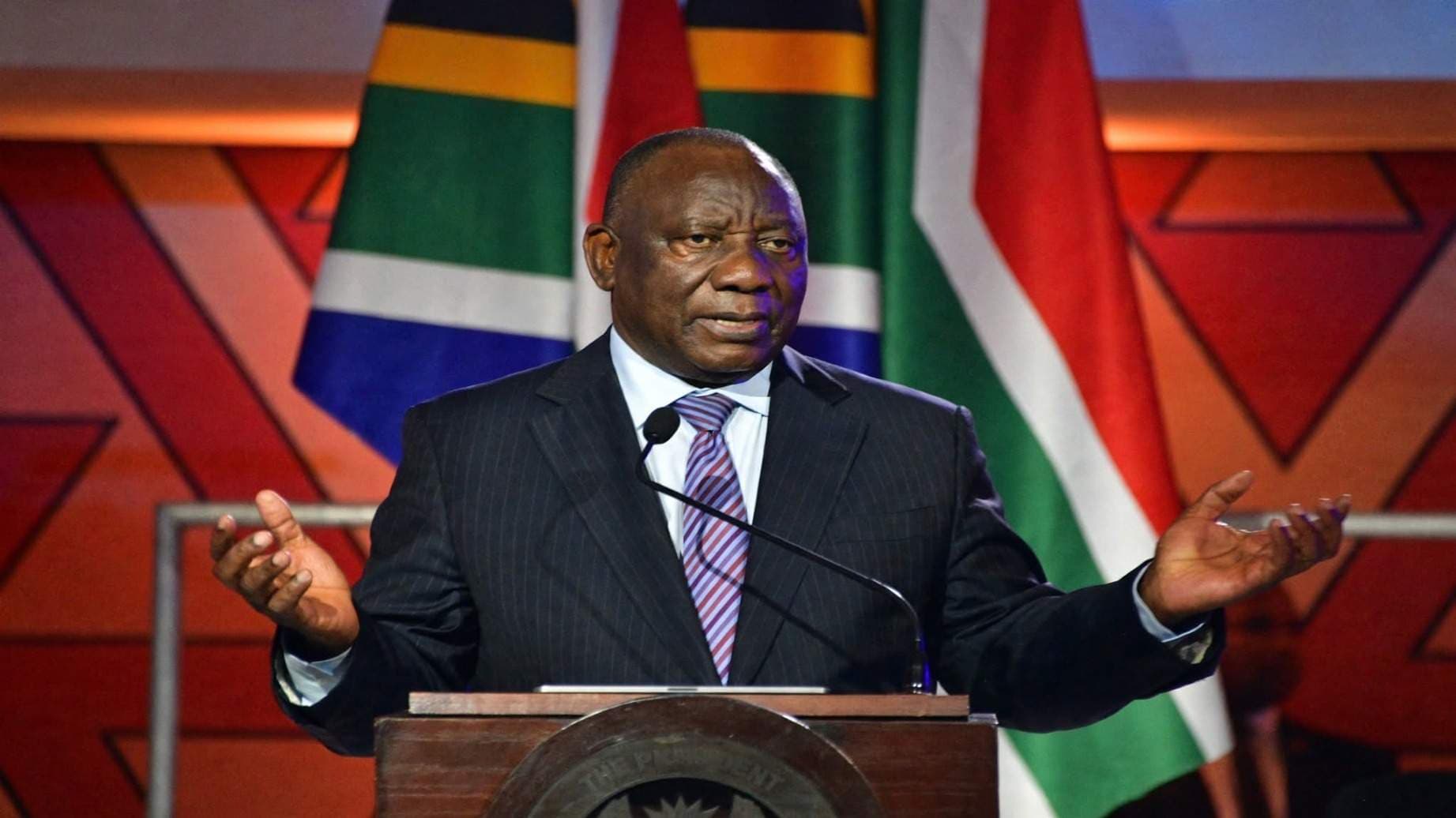
In his address, the President ordered two immediate actions:
1. A 60-day national safety audit: Every local authority must identify dangerous and high-risk areas – broken streetlights, abandoned buildings, poorly secured parks – that make women unsafe.
2. A 90-day cold case review: Police and the National Prosecuting Authority must review unresolved cases involving murders, attempted murders, rapes and other GBV cases.
He also announced a crackdown on alcohol abuse, which has long been linked to violent crime.
In a remarkably candid admission, Ramaphosa said: "We must confront an uncomfortable truth. What we have done has not been enough. We need to do much more."
Behind the numbers are young women who were daughters, sisters, friends. Many were stripped of their clothes. Many showed signs of sexual assault. They were found not in dark alleys in the middle of the night, but in open veld, near cemeteries – places where anyone should be able to walk.
This is not just an Ekurhuleni story. Ramaphosa himself paid tribute to other victims killed elsewhere in recent days, including 10-year-old Octavia Swarts from Kraaifontein and 15-year-old Amogelang Motshwaedi from Dinokana village. Their names trended as South Africans gathered to run, mourn and demand change.
Why This Keeps Happening?
South Africa has been here before. In November 2025, GBVF was formally classified as a national disaster under the Disaster Management Act, placing responsibility on the National Executive to coordinate a response. That classification recognised it as a persistent and immediate threat to life.
But a year on, campaigners say little has changed. One commentator noted GBVF got just 72 seconds in the 2026 State of the Nation Address.
The country adopted a National Strategic Plan on GBV and Femicide in 2020, but implementation has been patchy.
The Data: How Bad Is It?
The figures are staggering:
* 5,427 homicides were recorded nationally from April to July alone, according to official crime stats.
* South Africa's femicide rate is five times higher than the global average, according to Parliament and UN Women data.
* Its femicide rate is among the highest in the world, according to UN Women.
* Africa is the region with the highest rate of women and girls killed by intimate partners or family – three deaths per 100,000 women.
* One in three women in South Africa experience physical or sexual violence in their lifetime.
Eight of the 11 Ekurhuleni victims were found this month alone, showing an escalation that has put the area on high alert.
Why It Matters?
This is not a "women's issue". As Ramaphosa noted, most women who experience violence know their attackers. It is a national shame, a brake on the economy, and a constitutional crisis. When women cannot walk, run, or exist without fear, as the Uyinene Mrwetyana Foundation put it, freedom itself is incomplete.
The Ekurhuleni killings have become a litmus test: if a declared national disaster cannot stop 11 women being dumped in veld in 10 weeks, what will?
What Does "National Disaster" Actually Mean?
When GBVF was declared a national disaster on 20 November 2025, it was done under Section 23 of the Disaster Management Act after the Head of the National Disaster Management Centre determined it met the threshold.
In plain English, it means:
1. Government must treat GBV like it would a flood or pandemic – with a centrally coordinated, funded emergency response.
2. The National Council on Gender-Based Violence and Femicide is now operational to coordinate that response.
3. It unlocks emergency powers and a R5-billion fund that was promised – though activists are still asking where the money is.
Next Steps: What to Watch For
In the next 60 days: Look for the safety audit results. Will your municipality actually fix streetlights and secure abandoned buildings? Citizens are being urged to report hotspots.
In the next 90 days: The cold-case review. Thousands of families are waiting to see if unresolved rape and murder cases will finally move.
In court: Four suspects are in custody. Police must clarify whether we are dealing with a serial pattern or separate perpetrators.
For all of us: Ramaphosa called on men to lead the fight. The real next step, advocates say, is not just policing, but prevention – education in schools, alcohol regulation enforcement, and economic safety nets so women are not trapped with abusers.
As reported by cbinews.tv, South Africa has declared enough. Now it has to deliver.
#SouthAfrica #GBV #Femicide #Ekurhuleni #CyrilRamaphosa #GenderBasedViolence #WomensSafety #SouthAfricaNews #NationalDisaster #JusticeForWomen #CbinewsTV