

Gabon Blocks Facebook and TikTok Amid Teachers’ Strike
Last update: February 18, 2026
Disclaimer: This website may contain affiliate links, which means we may earn a commission if you click on the link and make a purchase. We only recommend products or services that we personally use and believe will add value to our readers. Your support is appreciated!
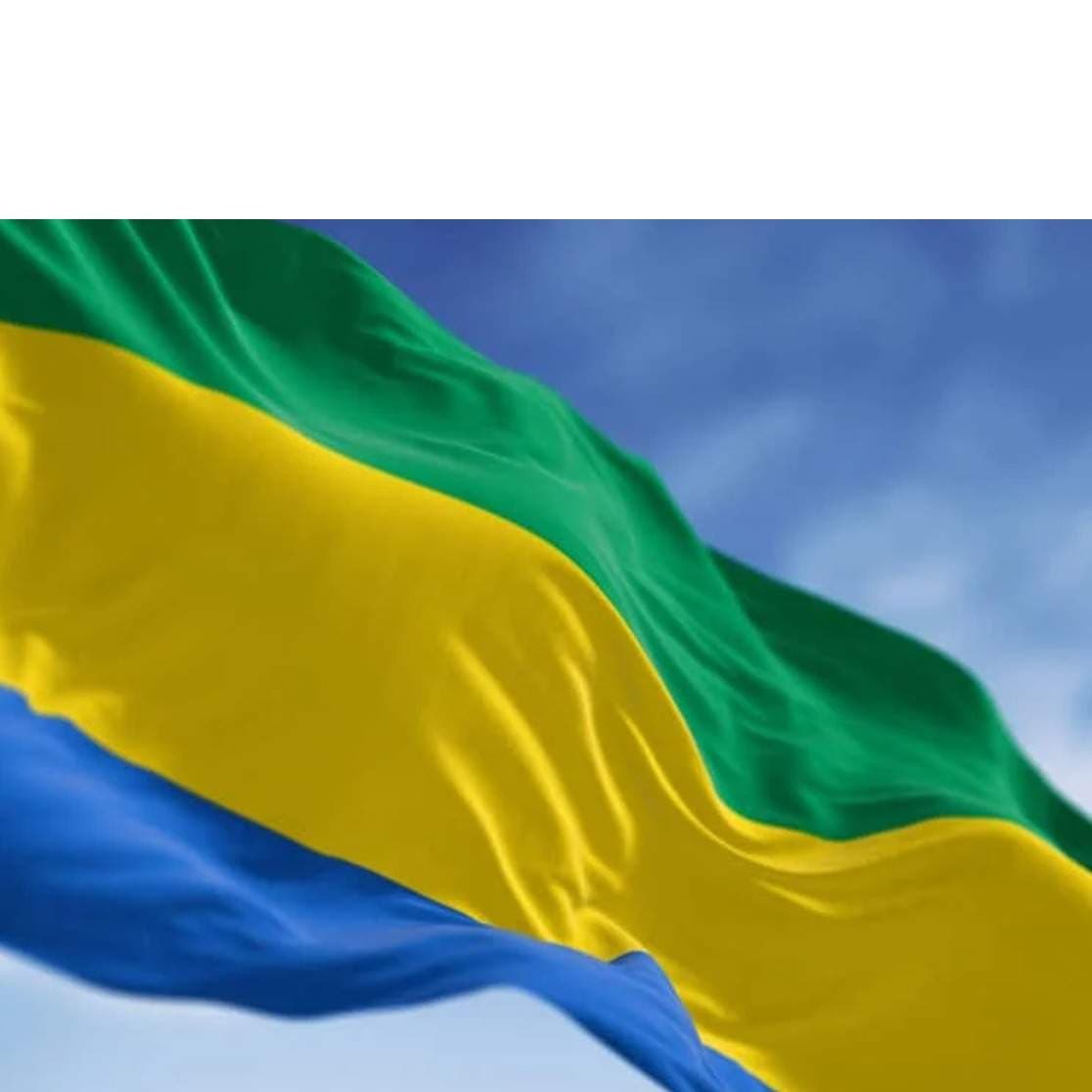
Authorities cite security concerns as opposition condemns move as repressive.
Social media platforms including Facebook and TikTok were unavailable in Gabon on Wednesday, journalists and a monitoring group said, after regulators suspended access over security concerns linked to an anti government labour strike.
The country’s media regulator, the High Authority of Communication, announced the immediate suspension of social media platforms until further notice, saying online posts were fuelling conflict.
The decision was criticised by opposition figures as repressive.
Connectivity watchdog NetBlocks said data showed several major platforms were restricted in Gabon. Facebook, TikTok and WhatsApp were affected, along with YouTube and Instagram.
In a televised statement, regulator spokesman Jean Claude Mendome cited inappropriate, defamatory, hateful and insulting content online.
He said such material undermined public morality, social cohesion, the stability of state institutions and national security. He also pointed to the spread of false information, cyberbullying and the unauthorised disclosure of personal data.
The regulator maintained that freedom of expression remains a fundamental right enshrined in Gabonese law.
Less than a year after his election, President Brice Oligui Nguema is facing his first major wave of social unrest, with teachers on strike over pay and working conditions and other public sector workers threatening similar action.
Opposition leader Alain-Claude Bilie-By-Nze said the social media restrictions had created a climate of fear and repression, urging civil groups and citizens to mobilise against the decision.
CBI News reports that teachers first began striking in December over wages and conditions, with protests spreading to health, higher education and state broadcasting.
A wage freeze introduced under former president Ali Bongo Ondimba has left many struggling with rising living costs.
Oligui, who seized power in a coup that ended more than five decades of Bongo family rule, later won the April 2025 presidential election by a wide margin after a two year transition period.
Authorities recently arrested two prominent figures in the teachers’ protest movement, though they were later released, while talks have continued with union representatives.