

First-Ever Ebola Death Confirmed in Kenya, 28 Contacts Traced
Last update: October 7, 2026
Disclaimer: This website may contain affiliate links, which means we may earn a commission if you click on the link and make a purchase. We only recommend products or services that we personally use and believe will add value to our readers. Your support is appreciated!
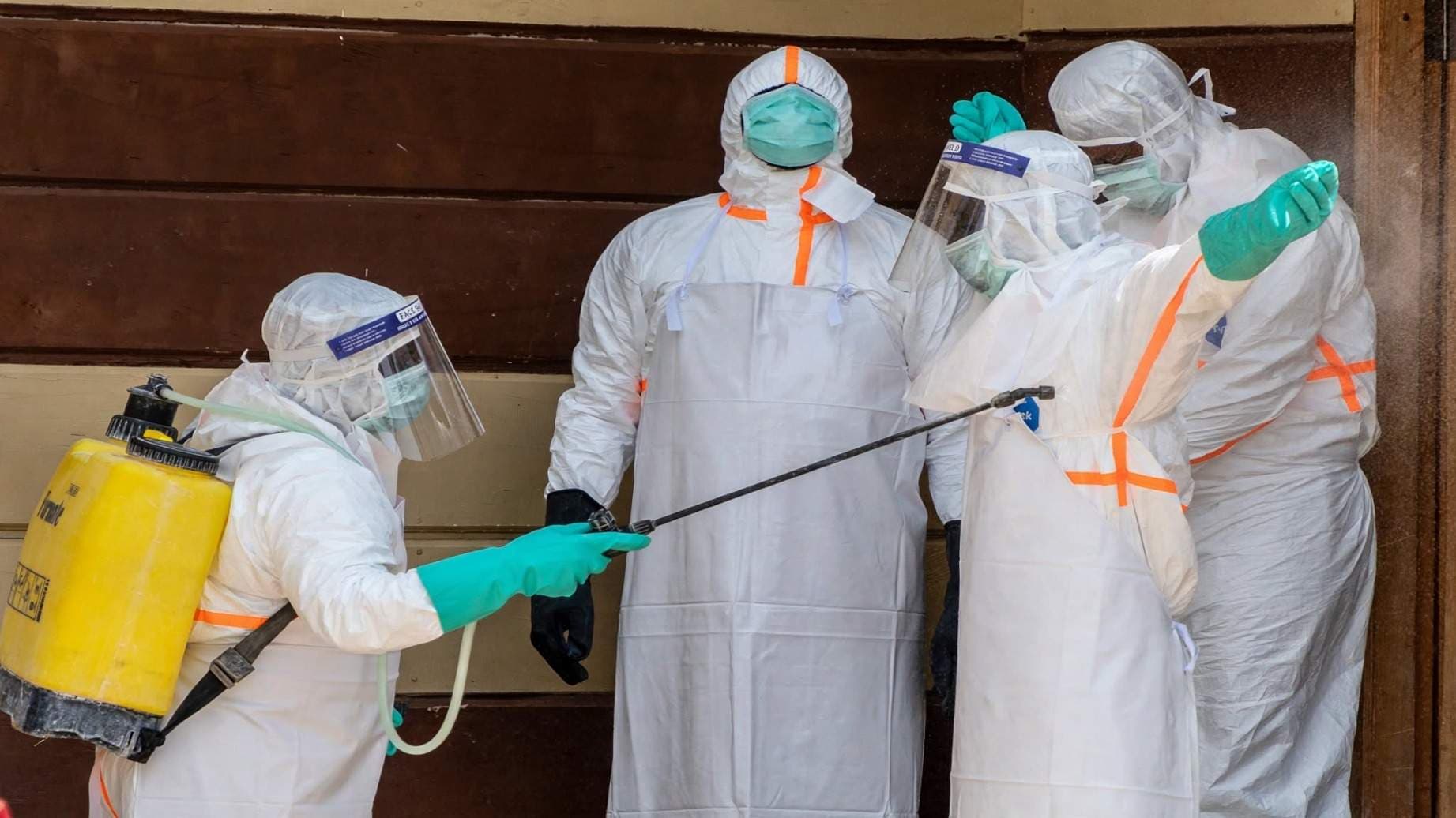
A 40-year-old businessman has died in Nairobi after contracting Ebola in the DRC — becoming Kenya’s first-ever recorded case. Now, the country’s doctors are asking a blunt question: who is protecting the protectors?
Kenya is facing a nervous new reality this week.
Health Cabinet Secretary Aden Duale confirmed what many had feared — a Kenyan national who contracted Ebola while living in the Democratic Republic of Congo has died in Nairobi. He passed away on Monday evening.
This is a big deal. Kenya, a regional medical hub that has managed to dodge Ebola through every major outbreak since 1976, had never previously reported a case.
This story isn’t just about one tragic death. It’s about the people who ran towards him.
In a strongly worded statement on Tuesday, the Kenya Medical Practitioners, Pharmacists and Dentists Union (KMPDU) said enough is enough.
“Our health workers must not be the weakest link in our response. They must be the first line of protection,” said KMPDU Secretary-General Dr Davji Atellah.
He demanded the government act with “urgency, transparency and responsibility” and insisted that any healthcare professional who came into contact with the patient must receive “immediate monitoring, psychological support and appropriate follow-up.”
You can understand the anxiety. Kenyan doctors and nurses watched what happened next door. Neighbouring Uganda recorded 20 cases — almost all imported from the DRC — and two deaths before being declared Ebola-free again in August. In previous West African outbreaks, health workers accounted for a disproportionate number of infections because of inadequate personal protective equipment (PPE) and training.
Why This Matters: Ebola was first discovered in 1976 near the Ebola River in what is now the DRC. Since then, the DRC has seen over a dozen outbreaks.
Kenya has always been on high alert but never breached — until now. The country is a major aviation hub; Jomo Kenyatta International Airport handles over 7 million passengers a year, connecting East Africa to the world. An imported case was always a question of when, not if.
The Bundibugyo strain itself was only identified in 2007 during an outbreak in Bundibugyo District in western Uganda. It’s less famous than the Zaire strain that caused the catastrophic 2014-2016 West Africa epidemic (which killed over 11,000 people), but with a fatality rate historically ranging between 25% and 40%, it is still deadly — and the lack of a vaccine makes containment harder.
What Happens Now?
The Ministry of Health says it has identified 28 contacts — family members and health workers — and so far, none have tested positive. That’s encouraging, but the window isn’t closed yet; Ebola’s incubation period can be up to 21 days.
Authorities are also hunting for 23 passengers and four crew members who shared the Kampala-Nairobi flight. Quarantine facilities have been prepared for those deemed at risk.
The KMPDU is calling for three things immediately:
1. Rigorous contact tracing — not just listing names, but daily follow-up.
2. Proper facility preparedness — isolation wards that are actually equipped, not just designated.
3. Protection for health workers — adequate PPE, training, and mental health support.
Next Steps:
For the public, the Ministry says there is no need to panic, but do stay vigilant. Ebola spreads through direct contact with bodily fluids, not through the air. If you have fever, severe headache, muscle pain, vomiting or unexplained bleeding after travel to an affected area, seek care immediately and mention your travel history.
For the government, the next 21 days are critical. How those 28 contacts — and the flight passengers — are monitored will determine whether this remains a single imported tragedy or becomes something more.
As Dr Atellah put it, protecting health workers isn’t an optional extra; it’s the entire response.
Source: cbinews.tv.
#Kenya #Ebola #KMPDU #PublicHealth #DRC #Nairobi #BreakingNews #HealthWorkers #EastAfrica #Bundibugyo #CBINews