


First EU-Taliban Migration Meeting in Brussels
Last update: June 23, 2026
Disclaimer: This website may contain affiliate links, which means we may earn a commission if you click on the link and make a purchase. We only recommend products or services that we personally use and believe will add value to our readers. Your support is appreciated!
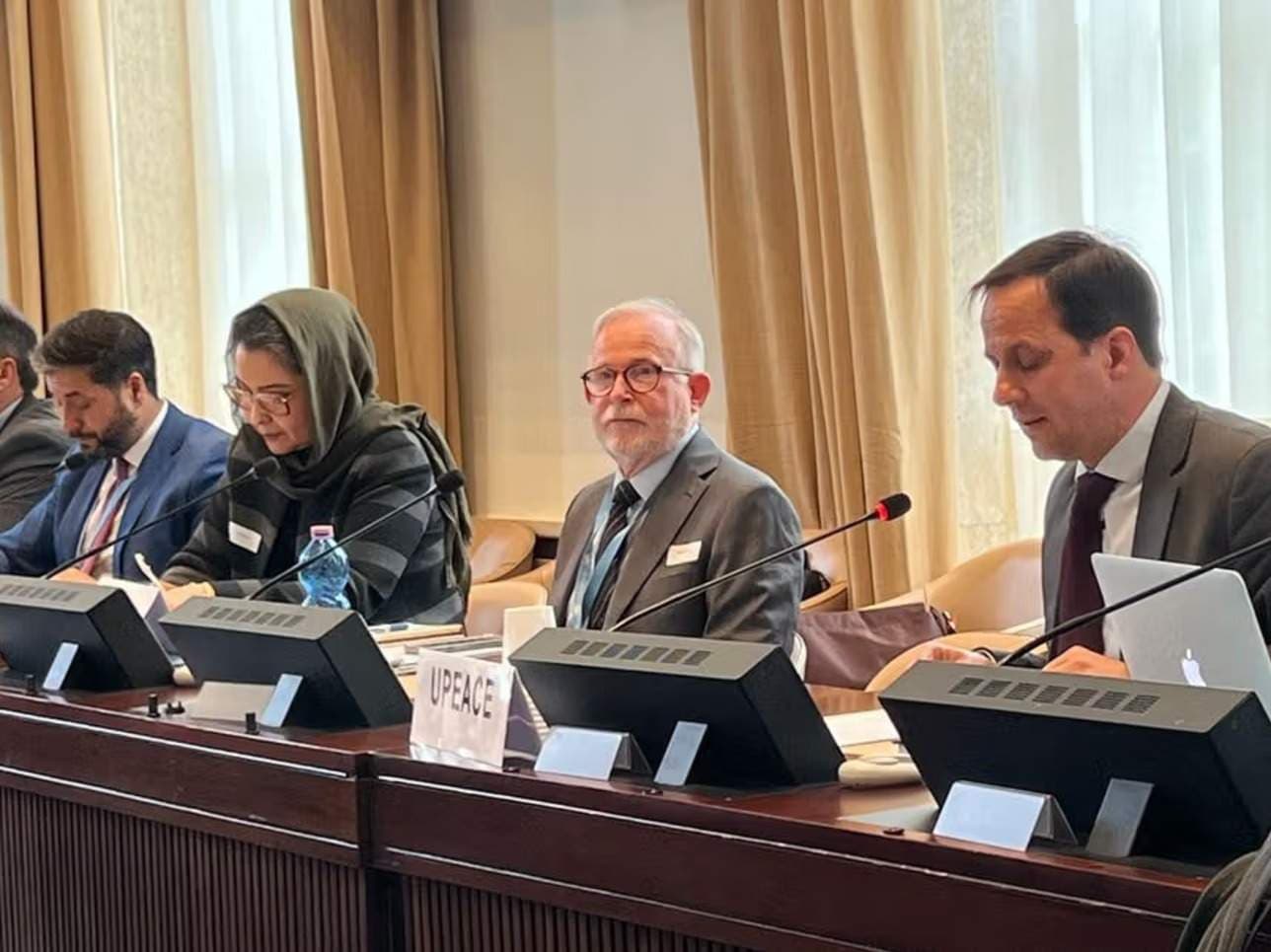
For the first time since the Taliban took power nearly five years ago, Brussels is rolling out the red carpet – well, a one-day visa – to talk deportations.
So, here’s the latest out of Brussels, as reported by cbinews.tv. The EU is sitting down with Taliban officials this Tuesday to chat migration – and yes, that means discussing sending Afghan asylum seekers back home.
Belgium has just handed five Taliban delegates one-day visas to attend the meeting. That’s right, one day only. The Belgian Foreign Ministry says the visas were cleared on Monday after a security check, and they’re strictly for Belgium.
Why now? According to European Commission spokesman Markus Lammert, the EU wants to talk about “irregular migration from Afghanistan” and the deportation of Afghans whose asylum claims have been rejected. The Commission’s letter to Taliban Foreign Ministry spokesman Abdul Qahar Balkhi spells it out: the focus is “the return and readmission of Afghan nationals without a right to stay in the European Union”.
Now, before anyone jumps to conclusions – Brussels insists this doesn’t mean they’re formally recognising the Taliban. Awkward, though, because several senior Taliban figures are actually under EU sanctions. The EU hasn’t said exactly who’s on the guest list.
Why the sudden outreach?
Migration has become a political lightning rod across Europe. With far-right parties gaining ground, governments are pushing for a tougher line. Around 20 EU member states said last year they wanted to return more migrants without legal status, especially those with criminal convictions. Lammert confirmed the focus is “very much on persons who have committed serious crimes or who pose a security threat”.
But rights groups aren’t happy. Human Rights Watch’s Fereshta Abbasi says any talks with the Taliban should “prioritise protecting human rights and accountability – not deporting people to danger there”. Amnesty’s Eve Geddie called it “unconscionable” to deport people to Afghanistan right now.
What’s happening in Afghanistan?
It’s grim. The Taliban have rolled back rights since August 2021 – banning girls from school beyond primary level, restricting women’s movement, and clamping down on free expression. The UN World Food Programme says over 17 million Afghans, that’s a third of the country, are “food insecure”. On top of that, Afghanistan is dealing with tens of thousands of returnees from Iran and Pakistan.
EU migration chief Magnus Brunner defended the move earlier this month, saying Brussels has “no other option” but to talk to the Taliban about returns. European embassies in Kabul shut when the Taliban took over, so direct deportations have been tricky. EU law does allow deportations for serious crimes or security threats, but with no diplomatic ties, returns to Afghanistan have been limited.
Some context:
Between 2013 and 2024, EU countries received about a million asylum applications from Afghans. They’ve had some of the highest recognition rates, but that’s tightening as policies get stricter across the bloc.
This meeting marks the first time the EU has hosted the Taliban since they returned to power almost five years ago.
Source: cbinews.tv
#EUMigration #Taliban #Brussels #Afghanistan #AsylumSeekers #Deportation #HumanRights #EUPolitics #MigrationPolicy #AfghanCrisis #CbiNewsTv