

FG Unveils Lagos to Maiduguri High-Speed Rail Line
Last update: September 2, 2026
Disclaimer: This website may contain affiliate links, which means we may earn a commission if you click on the link and make a purchase. We only recommend products or services that we personally use and believe will add value to our readers. Your support is appreciated!
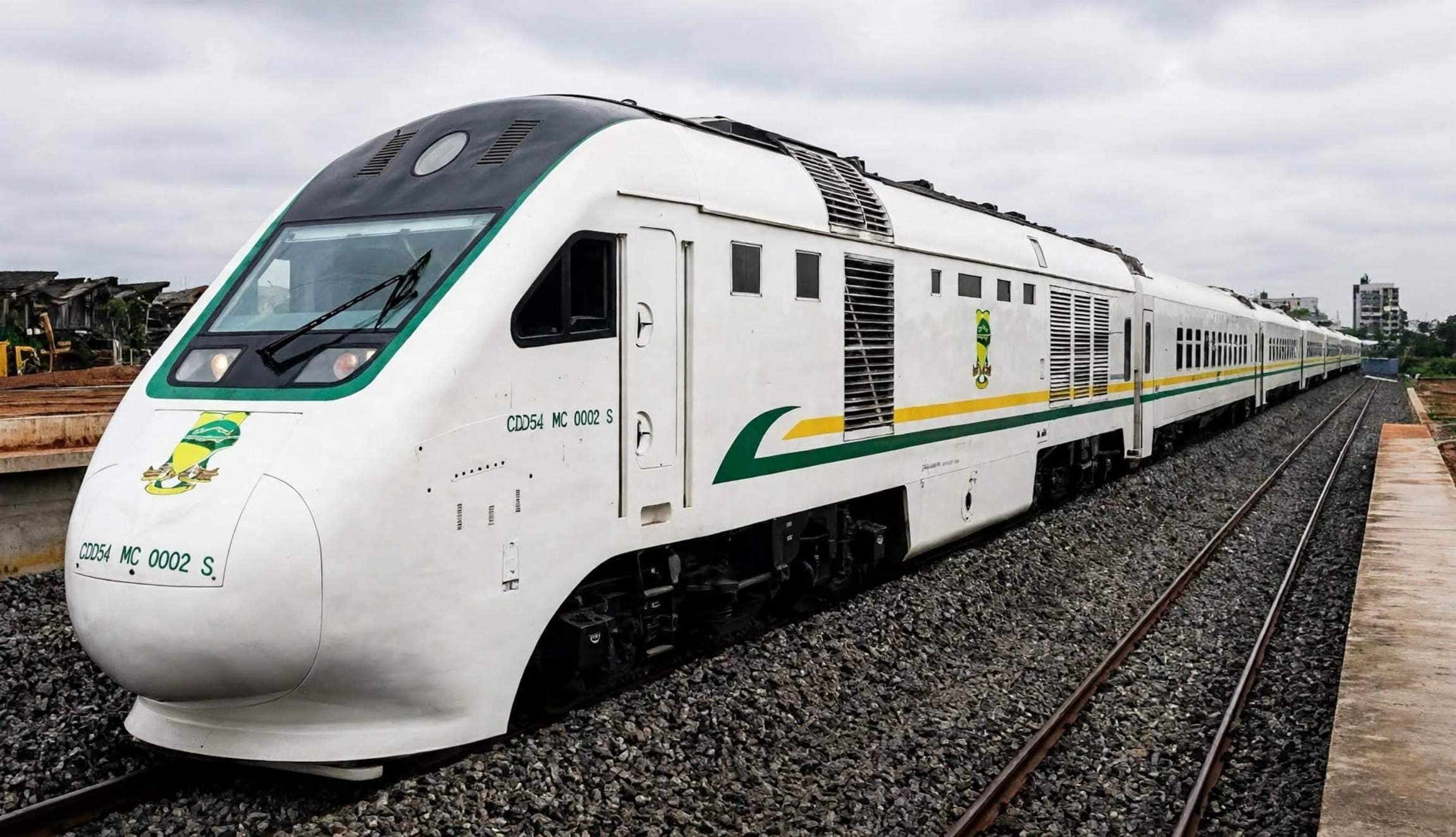
Forget those gruelling 24-hour road trips to the North-East – imagine having breakfast in Lekki and lunch in Maiduguri. That's exactly what the Federal Government is promising.
So, here's the big one. The Federal Government has just dropped plans for a high-speed rail corridor that will run all the way from Lagos to Maiduguri, with trains hitting a mind-blowing 360 kilometres per hour.
The gist was revealed on Monday at the opening of the 19th National Council on Transportation in Abuja by the Permanent Secretary, Federal Ministry of Transportation, Olufunso Adebiyi, as reported by cbinews.tv.
Speaking on the theme “Developing an Effective Transport System for Nigeria: The Role of Integrated Transportation,” Adebiyi said the idea is simple – give Nigerians a real choice beyond our chaotic roads. The proposed corridor, which could start from Lekki and stretch to Maiduguri, would be built for super-fast operations, with some sections potentially elevated on piles to allow trains to run at full speed.
He described it as part of the rebirth of rail transportation in Nigeria.
But wait, where are we coming from?
This isn't Nigeria's first dance with rail. Our railway story actually started way back in 1898 when the British started laying the 193km Lagos-Ibadan line.
By 1964, when the Kano-Maiduguri extension, then known as the Bornu Extension, was completed, the core of our present network was in place – two major Cape gauge lines: the Western Line from Lagos to Nguru in Yobe (about 1,126 kilometres) and the Eastern Line from Port Harcourt to Maiduguri in Borno.
In total, we inherited about 3,505 kilometres of old narrow-gauge tracks. For decades, that was it. The system was largely abandoned until the recent revival.
What’s actually working right now?
Adebiyi was quick to point out the progress so far. According to him, completed corridors now include Port Harcourt-Aba, Warri-Itakpe, Lagos-Ibadan and Abuja-Kaduna.
And there's more in the pipeline. The Kaduna-Zaria-Kano line is nearing completion and should start operations by December, while work is ongoing on Kaduna-Daura-Katsina, Katsina-Jibia-Maradi and Kano-Dutse corridors.
To put that in perspective, Nigeria currently has only about 669 kilometres of modern standard-gauge track compared to the 3,505km of ageing Cape-gauge. So, this Lagos-Maiduguri bullet train would be a massive leap – we’re talking about replacing a century-old system built for 60km/h steam engines with one that rivals Japan’s Shinkansen and France’s TGV.
Why does 360km/h matter?
Let's do the maths. The distance from Lagos to Maiduguri by road is well over 1,600km and takes around 22-26 hours if the roads are kind. At 360km/h, that same journey could theoretically be done in under 5 hours – even with stops. That’s faster than driving from Lagos to Ibadan during holiday traffic.
It also aligns with other ambitious projections, like the proposed Coastal Railway that aims to cut the 11-hour Lagos to Calabar road trip to less than 3 hours by bullet train.
However – and this is important – the Head of the Civil Service of the Federation, Abel Enitan, who also spoke at the event, warned that concrete and steel alone won't fix our transport wahala. He said we need strong institutions, effective regulation, reliable data, innovation and a skilled workforce to make it work. He called transportation the lifeblood of the economy and pushed for stronger collaboration between federal, state governments and agencies.
It's a valid point, especially as the Ministry had to debunk false reports earlier this year about a Lagos-Abuja bullet train. Nigerians have heard big rail promises before.
But if this one pulls through? It would be Nigeria's first true high-speed rail, connecting the commercial capital in the South-West to the commercial hub of the North-East, opening up jobs, trade and tourism like never before.
One thing is certain – Nigeria's railway is finally trying to get back on track.
Source: cbinews.tv
#NigeriaRail #HighSpeedRail #LagosToMaiduguri #BulletTrainNaija #FGNews #Transportation #Infrastructure #NigerianRailways #CBInewsTV #AbujaNews #TravelNigeria