

FG Shelves Solar Import ban to Keep Solar Affordable
Last update: October 10, 2026
Disclaimer: This website may contain affiliate links, which means we may earn a commission if you click on the link and make a purchase. We only recommend products or services that we personally use and believe will add value to our readers. Your support is appreciated!
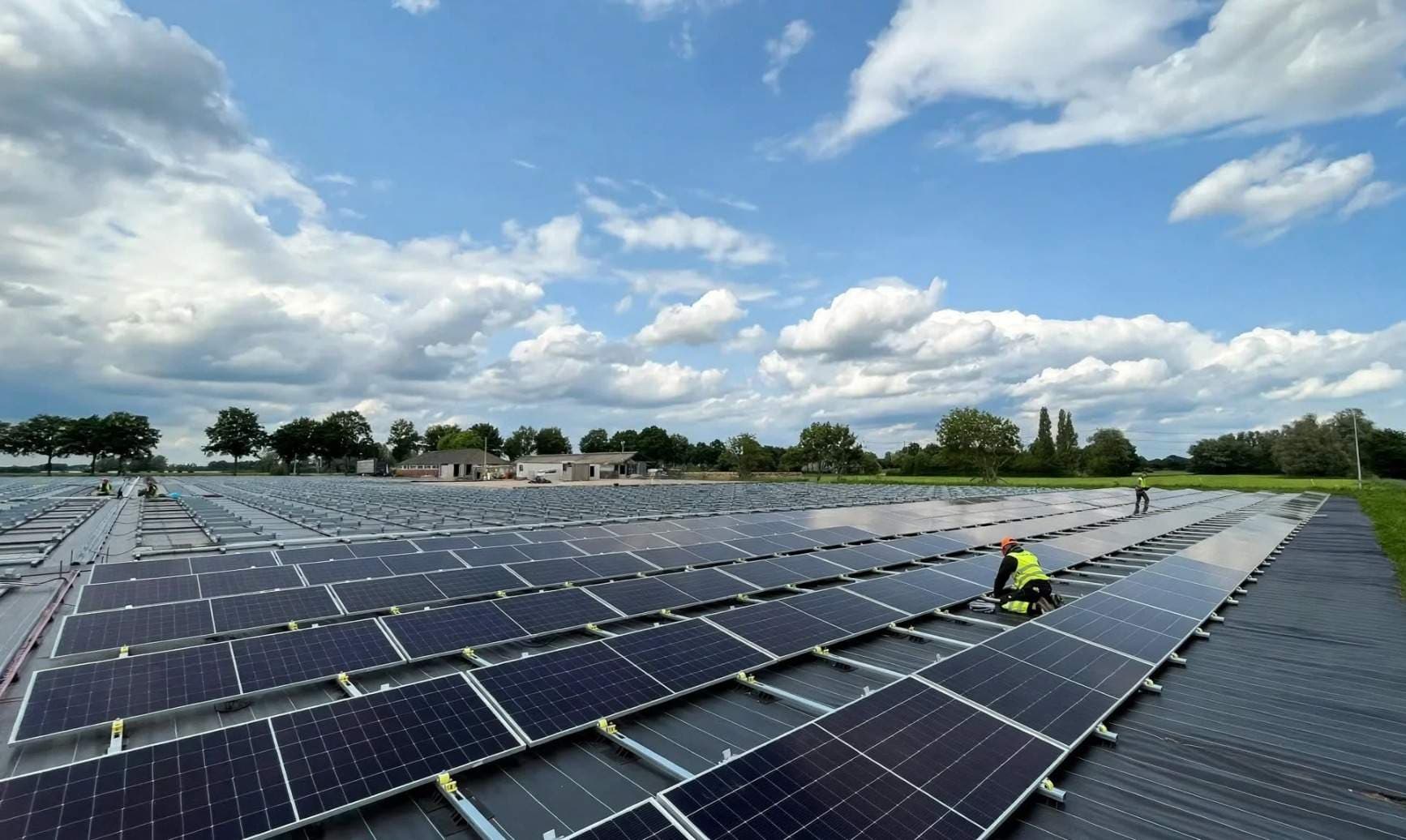
What would you do if the price of keeping your lights on doubled overnight? That was the fear for millions of Nigerians last week — until the Federal Government blinked.
In a major U-turn that will be felt in homes, hospitals and corner shops across the country, the FG has ditched plans for an immediate ban on imported solar panels.
More Than Just Panels.
Let’s be honest — for many Nigerians, solar isn’t a climate slogan. It’s survival.
With grid supply still epileptic and diesel now selling at painful prices, a small solar system is what keeps a barber’s shop in Aba open, a maternity clinic in Makurdi running, and a child in Gusau doing homework after dark.
For the 85 million Nigerians who, according to the World Bank, still have no access to electricity at all, and millions more on patchy supply, imported solar has become a lifeline. A ban would have hit them first.
That’s why installers, importers and everyday users are breathing a sigh of relief this weekend.
Why This Matters — In Numbers That Make Sense:
This isn’t a small market. According to data from Chinese customs cited by energy think tank Ember and obtained by cbinews.tv, China exported 2.4 gigawatts of solar panels to Nigeria in the 12 months to August 2026. That’s worth $269 million.
Now compare that to diesel. Ember’s analysis shows generating that same amount of electricity with diesel generators would cost Nigerians around $980 million every single year in fuel alone.
Do the maths: that’s a potential saving of over $700 million a year if solar replaces diesel. No wonder people are switching.
Zoom in even further: A standard 420-watt panel costing about $60 can generate roughly 550kWh a year. To get that same 550kWh from a diesel gen would cost you about $160 at today’s prices. That means the panel pays for itself in about five months — even before you factor in batteries and inverters.
That’s the real reason this policy matters. It’s about the cost of living.
How Did We Get Here?
This row isn’t new. It started back in March 2025, when Udeh’s predecessor, Uche Nnaji, first floated the idea of restricting solar imports to force local manufacturing. Nnaji left office in October 2025, but the proposal stayed on the table, creating months of jitters for investors.
In April 2025, the Rural Electrification Agency tried to calm nerves, saying there’d be no restriction until local capacity could meet demand — but without a formal withdrawal, no one really believed it.
The industry’s argument has been consistent, put best by Ayo Ademilua, President of the Renewable Energy Association of Nigeria:
“Our members share the Minister’s dream of a Nigeria that makes its own solar panels… But we have to be honest about where we are. Solar has become a lifeline for millions of Nigerians the grid doesn’t reach. Local production is growing, but it can’t yet meet that demand in volume or price. A ban now would have raised costs, stalled projects and put the progress of the last decade at risk.”
Lessons from Pakistan;
Nigeria isn’t alone. Pakistan went through the same boom. As Muhammad Mustafa Amjad, Programme Director of Renewables First in Pakistan, told cbinews.tv:
“Pakistan showed the world what happens when ordinary households and businesses get access to cheap solar. Nigeria, with abundant sunshine, a deeply entrepreneurial population and a costly dependence on diesel generators, is primed to carry this revolution into Africa.”
Globally, solar panel prices have crashed by over 80% in the last decade thanks to Chinese manufacturing scale — which is precisely why imports have become affordable for Nigerian families.
So, What Happens Next?
The FG isn’t abandoning local manufacturing — it’s just being realistic about timing.
1. Quality, not blockade: Expect SON and regulators to get tougher on substandard panels. The promise is “only high-standard panels”, whether made in Nigeria or imported.
2. A phased approach: Advocates, including the Solar Power Nigeria coalition, are pushing for a clear 3-to-5-year transition plan with published timelines, tax breaks, cheap loans for factories, and measurable local content targets.
3. Investment signal: Campaigners say what Nigeria needs now is certainty. As Dr David Michael of the Global Initiative for Food Security and Ecosystem Preservation put it: “Nigeria shouldn’t have to choose between building a domestic solar industry and making clean energy affordable.”
4. What to watch: The next budget and the Ministry’s new standards framework. If incentives for local assembly plants come without new import tariffs, consumers win. If tariffs creep back in quietly, prices will rise again.
Bottom line: For now, you can still buy affordable solar. The government has chosen savings and access over protectionism — but the clock is ticking for local manufacturers to step up.
Source: cbinews.tv.
#NigeriaNews #SolarNigeria #EnergyTransition #RenewableEnergy #FG #CostOfLiving #DieselToSolar #CbinewsTV #NigerianBusiness #CleanEnergy