


FG Pushes Science-Based Livestock Genetics Reforms
Last update: April 30, 2026
Disclaimer: This website may contain affiliate links, which means we may earn a commission if you click on the link and make a purchase. We only recommend products or services that we personally use and believe will add value to our readers. Your support is appreciated!
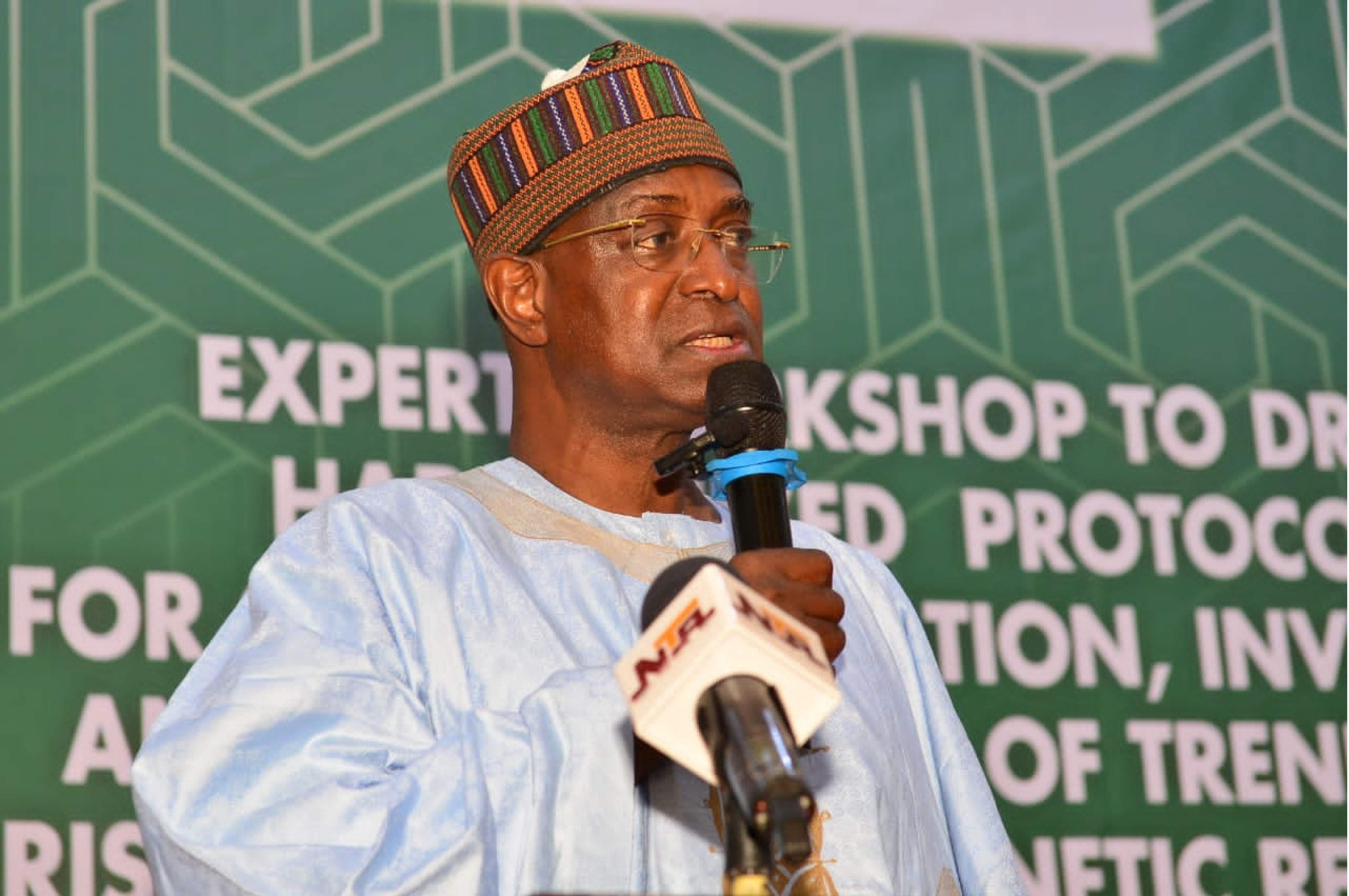
Officials at the workshop emphasised the need for inclusive and simplified protocols that can be adopted nationwide.
The Federal Government of Nigeria has stepped up efforts to reform Nigeria’s livestock sector through a unified and science-driven approach to animal genetics.
CBI News reports that the Minister of Livestock Development, Idi Mukhtar Maiha, made this known at a stakeholder's consultative workshop in Abuja, where he urged experts to develop practical solutions to challenges affecting Animal Genetic Resources management.
The workshop, organised under the Livestock Productivity and Resilience Support Project (L-PRES), focused on harmonising protocols for the characterisation, inventory, and monitoring of livestock genetics.
The Minister stressed that a coordinated breeding policy is essential to strengthening food security, improving rural livelihoods, and boosting economic resilience.
Maiha highlighted the importance of establishing reliable baseline data on indigenous livestock breeds, including their distribution and unique traits.
According to him, without accurate data, it would be difficult to design effective breeding programmes or implement sustainable conservation strategies across different ecological zones.
Maiha also called for continuous monitoring systems to track genetic changes, prevent loss of valuable breeds, and enable early intervention where necessary, and aligned Nigeria’s efforts with global frameworks on animal genetic resources, while tasking stakeholders with developing practical, implementable guidelines.
The Minister reaffirmed government’s commitment to scaling up outcomes from the engagement, strengthening national databases, and promoting evidence-based policy decisions in the livestock sector.
Meanwhile, development partners and stakeholders, including representatives from international organisations and state governments, pledged continued collaboration.