

FG Moves to Revamp Nigeria’s Urban Water
Last update: June 8, 2026
Disclaimer: This website may contain affiliate links, which means we may earn a commission if you click on the link and make a purchase. We only recommend products or services that we personally use and believe will add value to our readers. Your support is appreciated!
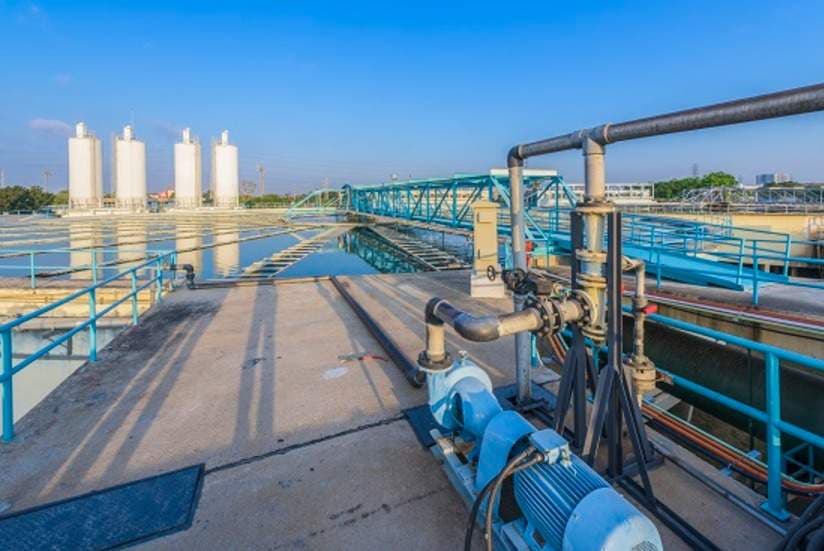
Safe, reliable tap water still feels like a luxury for millions of Nigerians — and the Federal Government says that has to change, fast.
So, here’s the gist as reported by cbinews.tv: the Federal Government and its development partners are doubling down on fixing Nigeria’s urban water wahala. At a workshop in Abuja on Monday, Water Resources and Sanitation Minister Joseph Utsev said we can’t keep talking — we need stronger reforms, more investment, and proper partnerships to get clean water flowing in our cities.
The workshop, tagged ‘Urban Water Supply Sector Reform in Nigeria: Progresses, Challenges, and Way Forward’, was put together by the Federal Ministry of Water Resources and Sanitation alongside heavyweight partners like the World Bank, African Development Bank, Islamic Development Bank, and the EU. France helped foot the bill through Agence Française de Développement.
Utsev, represented by Babarinde Mukaila, Director of Water Supply and Support Services, didn’t sugar-coat it. Access to quality water is still one of the biggest headaches across Africa, and Nigeria’s no exception. Between population growth, climate change, water scarcity and funding gaps, hitting the Sustainable Development Goals for water and sanitation is looking tough.
His words?
“We need concerted effort — big infrastructure investments, serious governance and policy reforms, an integrated approach to sustainable water management, and most importantly, partnership.”
He gave a shout-out to development partners who’ve been putting money into the sector over the years. We’re talking projects like the National Urban Water Sector Reform Projects in Enugu, Kaduna, Ogun, Lagos, Cross River, Bauchi and Ekiti; the Urban Water and Sanitation Improvement Project in Oyo and Taraba; plus, major works in Zaria, Port Harcourt, Akure, Yobe and Osun.
But even with all that, the numbers are still sobering. According to 2019 WASHNORM data, about 30% of Nigerians still don’t have basic water supply services, and 56% lack basic sanitation. That’s the gap this workshop hopes to help close.
The plan? Look at what’s working, what’s not, and learn from both local and international wins. Utsev said the outcomes will shape how the Ministry and development partners structure future interventions.
France’s Ambassador to Nigeria and ECOWAS, Marc Fonbaustier, also weighed in on behalf of the Development Partners Group. He praised Nigeria’s reforms and investments over the last decade but flagged a key issue: too many urban households still rely on private boreholes, water vendors and tankers. Often expensive, unreliable, and not always safe.
“We remain committed to Nigeria’s vision of reliable and resilient urban water services,” Fonbaustier said, noting France’s continued support through AFD.
AFD’s Deputy Country Director in Nigeria, Mahamadou Diarra, put it bluntly: “Africa does not lack water. Water is abundant, but we lack potable water because we have, so far, not been able to transform the potential into impact.” He added that funding isn’t the main problem — development partners have made resources available. The challenge is turning that into real results.
Bottom line: The FG and its partners are saying it’s time to move from talk to taps. More reforms, smarter partnerships, and making sure the money actually delivers clean water to Nigerians.
Hashtags:
#NigeriaWaterCrisis #UrbanWaterReform #SDG6 #WaterAndSanitation #FGN #DevelopmentPartners #AFD #WorldBank #CleanWaterForAll #AbujaNews #CBINewsTV