


FG Mandates Entrepreneurship Certification in Universities
Last update: March 28, 2026
Disclaimer: This website may contain affiliate links, which means we may earn a commission if you click on the link and make a purchase. We only recommend products or services that we personally use and believe will add value to our readers. Your support is appreciated!
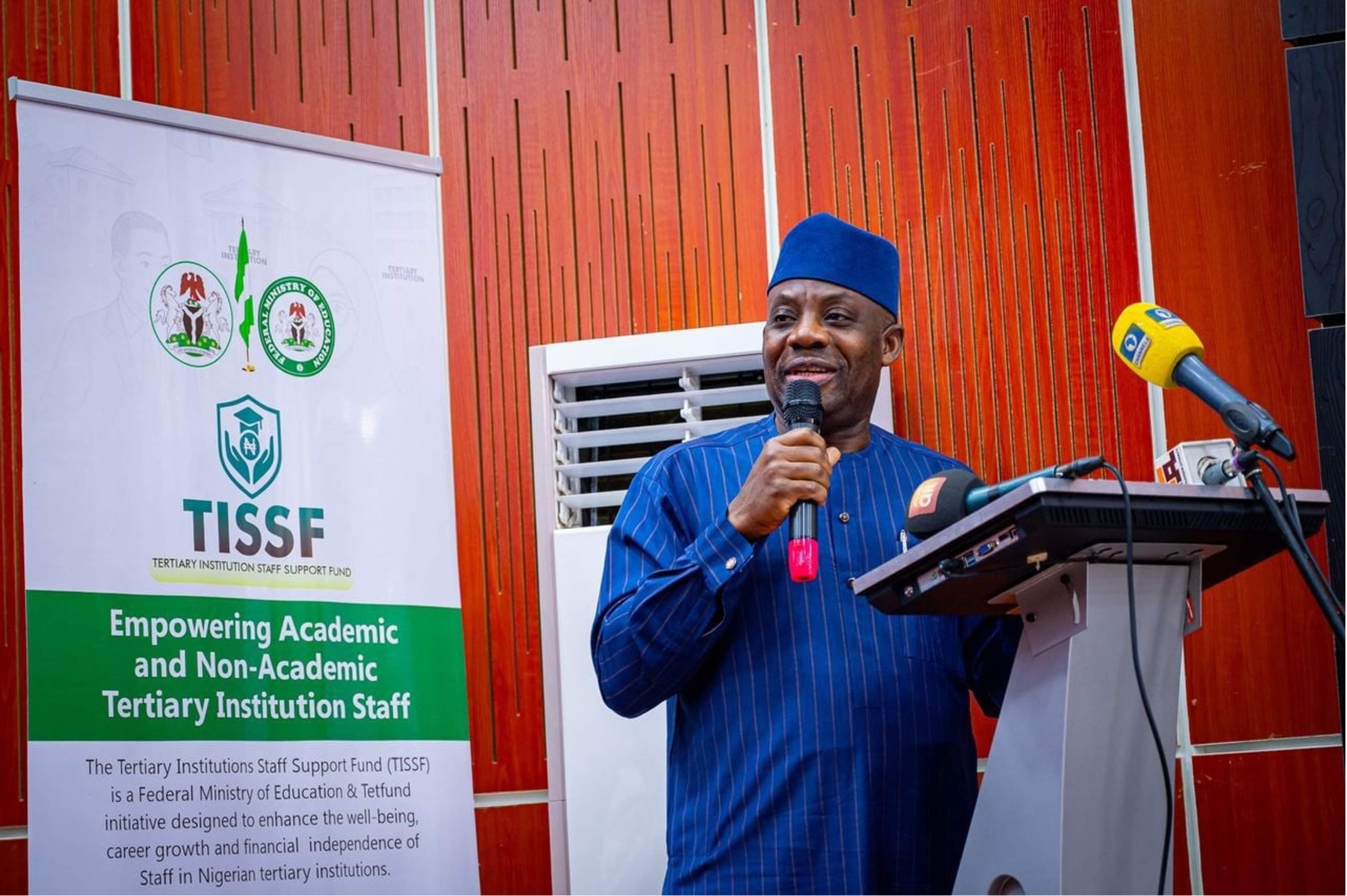
The programme cuts across all disciplines, including engineering, medicine, sciences, and the creative arts.
The Federal Government of Nigeria has introduced a new policy requiring students in selected Nigerian universities to graduate with an additional certificate in entrepreneurship.
CBI News reports that the initiative, known as the Entrepreneurship, Innovation and Business Incubation Certification (EIBIC), was unveiled in Abuja by the Minister of Education, Olatunji Alausa.
Alausa disclosed that the programme is designed to shift students from being job seekers to job creators by embedding entrepreneurial training into tertiary education.
He described the initiative as a major reform aimed at aligning Nigeria’s education system with global trends in innovation, technology, and employability.
He also revealed that the rollout will begin with 14 federal universities, including the University of Lagos, Ahmadu Bello University, and University of Ibadan, with plans to extend to all federal universities by 2027 and other federal tertiary institutions by 2028.
"Under the EIBIC framework, students will receive early exposure to entrepreneurship from their first year, followed by progressive skill development and, ultimately, business incubation and venture creation in their final year.
The Minister noted that government has also linked the initiative to funding opportunities, including a Student Venture Capital Grant that attracted over 36,000 applicants nationwide, pointing out that support from the Bank of Industry is expected to provide financial backing, including low-interest credit facilities for student-led businesses.
Stakeholders have welcomed the policy, noting its potential to equip graduates with practical skills and reduce unemployment, as the
initiative aligns with the Renewed Hope Agenda of President Bola Ahmed Tinubu, which prioritises education as a key driver of economic growth and national development.