


FG Links Birth Registration to School Enrolment
Last update: March 3, 2026
Disclaimer: This website may contain affiliate links, which means we may earn a commission if you click on the link and make a purchase. We only recommend products or services that we personally use and believe will add value to our readers. Your support is appreciated!
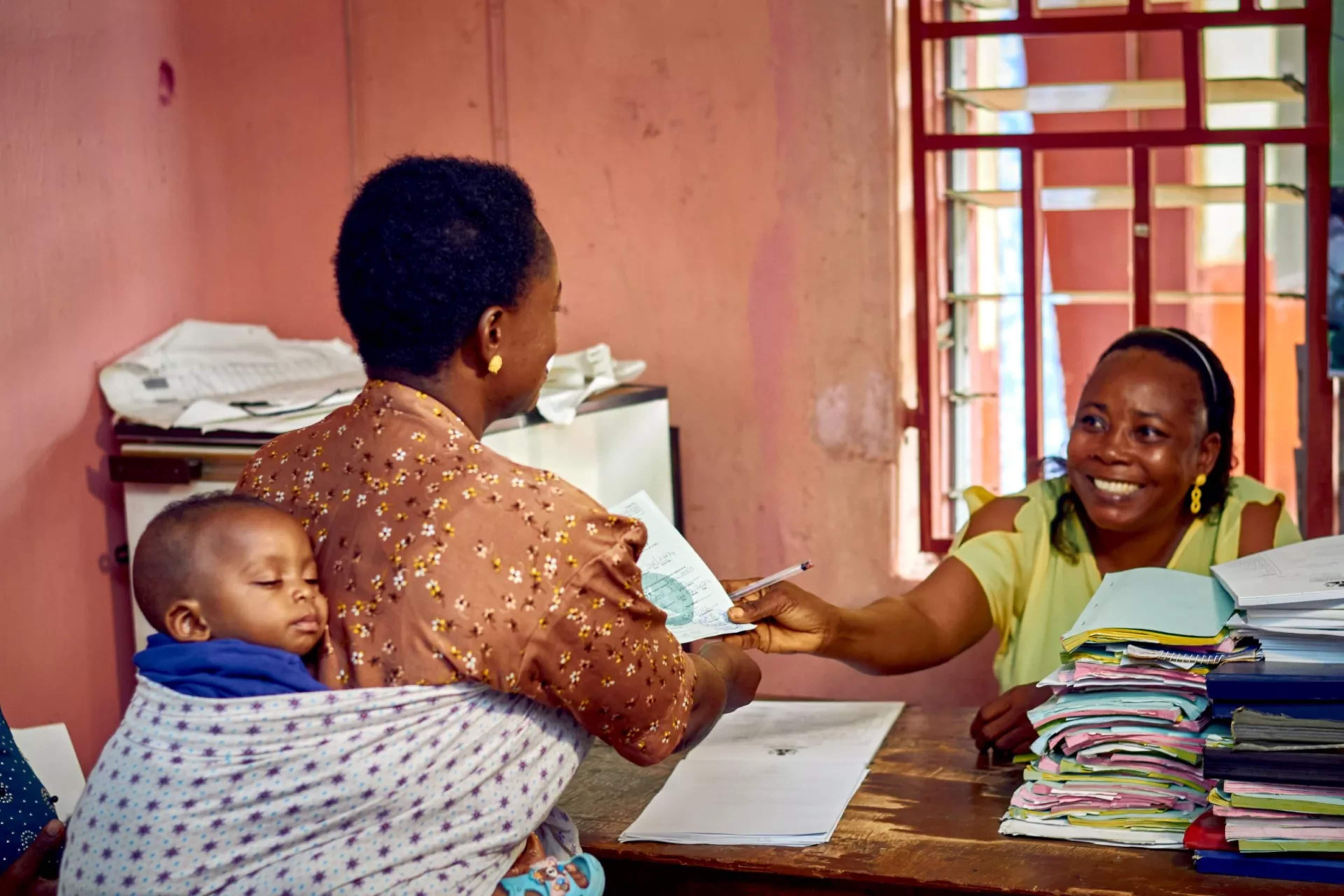
The partnership ensures proper age placement, accurate planning, and improved education data integrity.
The Federal Ministry of Education has formalised a strategic partnership with the National Population Commission to integrate birth registration and demographic data into Nigeria’s school enrolment and education planning systems.
The development, announced via a statement from the Ministry’s Director of Press and Public Relations, Boriowo Folasade, aims to ensure accurate student age verification, proper teacher deployment, and equitable allocation of resources across schools nationwide.
Minister of Education, Dr Maruf Alausa, emphasised that credible population data is essential for rational school siting, accurate enrollment projections, and strengthening the integrity of academic records. He noted that linking birth registration with admission processes would also promote proper age placement, reducing the risk of underage or overage students in classrooms.
The minister highlighted the role of technology in the initiative, stressing that digital integration would improve transparency, track enrolment patterns, and allow early identification of dropouts. “We are committed to ensuring that no child is disadvantaged and that education planning is driven by reliable data,” he said.
In his response, NPC Chairman Aminu Yusuf reaffirmed the commission’s mandate to maintain Nigeria’s Civil Registration and Vital Statistics system. He disclosed that more than 4,000 registration centres operate nationwide, and ongoing digital upgrades will facilitate smoother data sharing with the Ministry of Education.
The statement added that both institutions agreed to establish a Joint Technical Working Group tasked with harmonising verification procedures and ensuring interoperability between their databases. The partnership is designed to strengthen evidence-based education reform and support inclusive national development.
CBI News reports that the initiative is also part of the government’s broader commitment to improving basic education in Nigeria, ensuring that children are accurately registered, schools are adequately resourced, and planning aligns with population realities.