


FG Launches 2026-2030 HIV Plan to cut Donor Reliance
Last update: June 11, 2026
Disclaimer: This website may contain affiliate links, which means we may earn a commission if you click on the link and make a purchase. We only recommend products or services that we personally use and believe will add value to our readers. Your support is appreciated!
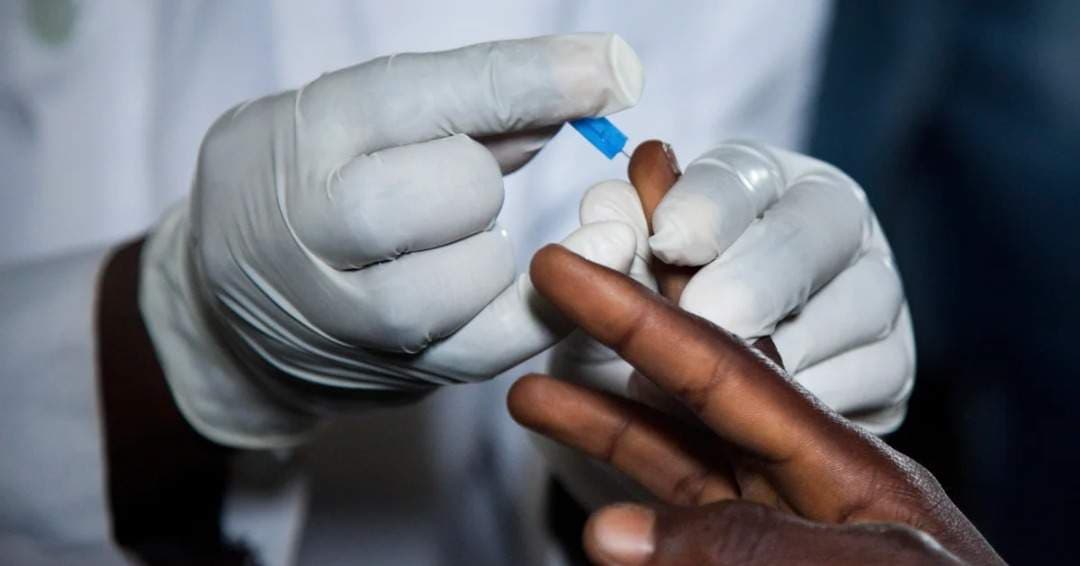
No more waiting on foreign cheques. Nigeria says its HIV fight must now be paid for, led and run by Nigerians.
The Federal Government launched the new National HIV and AIDS Strategic Plan (NSP) 2026-2030 in Abuja on Thursday, and the message was blunt: the donor-dependent model is finished.
Dr Temitope Ilori, Director-General of the National Agency for the Control of AIDS (NACA), said Nigeria has hit a defining moment. Yes, we have made real progress in the last two decades, fewer new infections, wider access to treatment, strong partnerships. But external money is shrinking, so the next phase has to be sustainable and country-owned.
Her words: "A central driver for this new plan is the recognition that the current donor-dependent model is no longer sustainable. With dwindling external funding, Nigeria must transition to a new business model with emphasis on sustainability, country ownership and a country-led response."
What is different this time?
Ilori said the plan was built with everybody at the table: government agencies, civil society organisations, networks of people living with HIV, development partners, technical experts, the private sector and persons with disabilities.
It prioritises three big shifts:
Integration, not silos. HIV services will be woven into regular healthcare, education, youth development, gender and justice programmes to cut waste and reach more people.
Prevention reframed. More focus on the general population, especially adolescents and young people, not just key groups.
Homegrown solutions. Digital health tools, local manufacturing of commodities and innovative service delivery models will keep the programme running when donor funds dip.
"The vision is clear: an HIV epidemic that is controlled through a sustainable, integrated and nationally owned response that leaves no one behind," Ilori added.
Others at the launch backed that urgency. Dr John Ovuoraye, Director of Health Planning, Research and Statistics at the Federal Ministry of Health and Social Welfare, warned against another policy that gathers dust.
"We now have a strategic plan. The question is, what next? Let this not be another document that sits on the shelf. We must engage with it, understand it and implement it accordingly," he said, stressing inclusivity for persons with disabilities and universal health coverage.
Dr Doris Ogba, representing the United Nations Joint Team on HIV/AIDS, called the NSP the roadmap to hit the global UNAIDS 95-95-95 targets. Dr Abdulkadri Ibrahim, National Coordinator of the Network of People Living with HIV/AIDS in Nigeria, welcomed it as a timely guide, saying his network will use the data and strategies to drive programmes nationwide.
Context matters here. Nigeria runs one of the world's largest HIV treatment programmes and has cut deaths and new infections significantly. But for years the response has leaned heavily on PEPFAR, the Global Fund and UNAIDS. With those pots shrinking, health experts have repeatedly warned that only stronger domestic financing and better integration into routine care will protect the gains.
The 2026-2030 plan is now the main framework to coordinate prevention, treatment, care and support, with the big goal still in sight: ending AIDS as a public health threat by 2030.
Reporting credit: cbinewstv
#NigeriaHealth #HIVNigeria #EndAIDS2030 #NACA #NSP2026 #PublicHealthNG #HealthFinancing #LeaveNoOneBehind #cbinewstv