


FG Intensifies Multi-State Tsetse Fly Crackdown
Last update: April 26, 2026
Disclaimer: This website may contain affiliate links, which means we may earn a commission if you click on the link and make a purchase. We only recommend products or services that we personally use and believe will add value to our readers. Your support is appreciated!
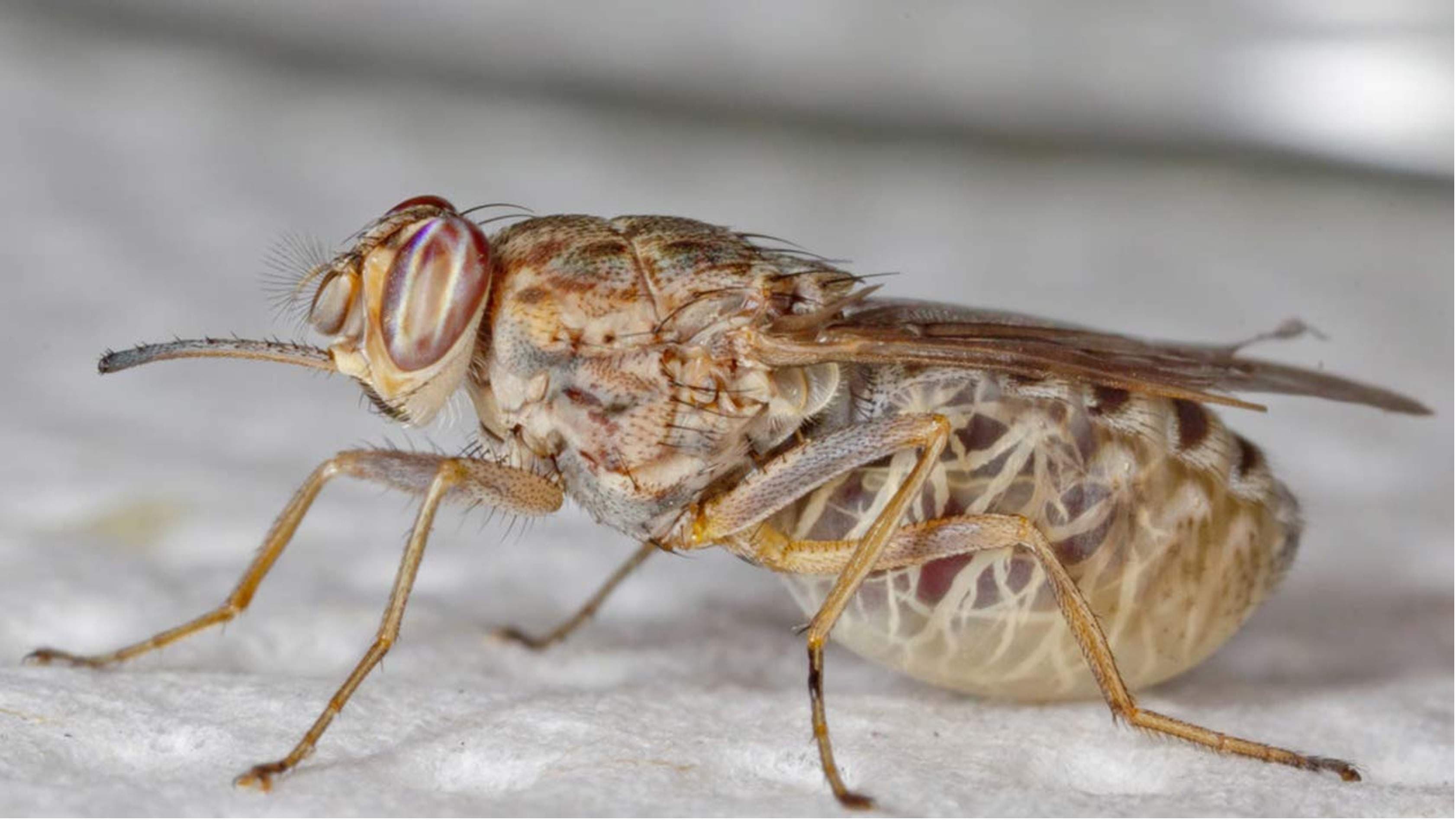
Its effective control has become absolutely necessary to attain self-sufficiency in livestock production as well as maintain human health.
The Federal Government of Nigeria has launched a coordinated, science-based offensive against tsetse fly infestation across the Federal Capital Territory, Kogi, and Ogun States, in a renewed effort to safeguard livestock and public health.
The week-long intervention, carried out from April 20 to 24, 2026, targets key grazing reserves, livestock settlements, and high-risk transmission corridors.

The operation combines surveillance, vector control, and community engagement, with field teams deploying biconical traps to monitor fly populations, alongside fumigation and insecticide application in affected areas.
Authorities say the integrated approach is designed to generate accurate data while reducing the spread of diseases linked to the tsetse fly.
In the FCT, activities focused on the Paikon Kore Grazing Reserve, home to more than 15,000 cattle, as Epidemiological assessments were conducted using traps placed at 500-meter intervals.
Officials highlighted the threat of trypanosomiasis, a disease transmitted by tsetse flies that affects both animals and humans, posing risks to food security and public health.
Beyond tsetse-related concerns, livestock managers in the area also raised alarm over other diseases, including foot-and-mouth disease and contagious bovine pleuropneumonia, calling for sustained veterinary support and improved access to vaccines to protect herds.
In Kogi State, the intervention covered six local government areas, Adavi, Lokoja, Koton Karfe, Ajaokuta, Ofu, and Idah due to the state’s strategic position as a transit hub for livestock movement,as officials stressed that successful containment efforts in Kogi could significantly impact disease control nationwide, while urging community participation to ensure lasting results.
In Ogun State, operations are also extended to major livestock settlements in Ewekoro, Abeokuta North, and Odeda LGAs, and State authorities reaffirmed their commitment to strengthening veterinary services, including free vaccination programmes.
Meanwhile, federal officials emphasized that the campaign aligns with the One Health approach, integrating human, animal, and environmental health, stressing that efforts continue toward achieving a tsetse-free and disease-resilient Nigeria.