


FG, FAO Launch $350k Bird Flu Programme in Nigeria
Last update: June 5, 2026
Disclaimer: This website may contain affiliate links, which means we may earn a commission if you click on the link and make a purchase. We only recommend products or services that we personally use and believe will add value to our readers. Your support is appreciated!
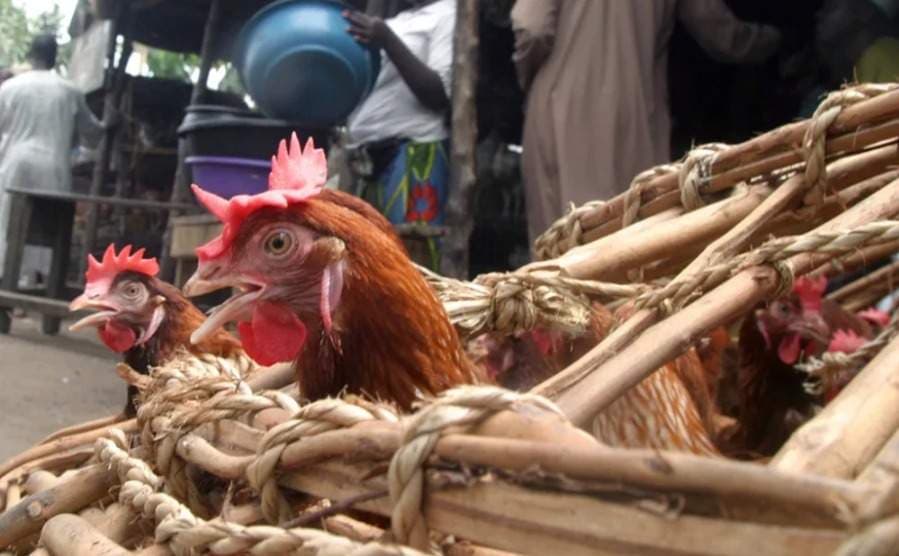
After nearly two decades of stop-start outbreaks, Nigeria is finally beefing up its bird flu defences, and poultry farmers are first in line to benefit.
Right, here's the gist avvording to cbitvnews. The Federal Government has teamed up with the Food and Agriculture Organisation (FAO) on a fresh $350,000 intervention to tackle Highly Pathogenic Avian Influenza — what most of us just call bird flu.
It was unveiled on Thursday night at the kick-off of the FAO Technical Cooperation Programme Project on Strengthening HPAI Preparedness, Detection and Response. The big idea? Get better at spotting the disease early, improve lab testing, get the right information out quickly, and make sure everyone — from vets to health and environment ministries, is actually talking to each other under the One Health framework.
The Minister of Livestock Development, Idi Maiha, didn't mince words. He said poultry is still a critical part of Nigeria's food security and economy, but it's been battered by bird flu since it first showed up in 2006. The resurgence since 2021 has hit smallholders and big layer farms alike.
"We are concerned because of the destructive effect of avian influenza in Nigeria. It is threatening livelihoods, threatening food security, and threatening international trade," Maiha said, adding that the goal now is to restore those livelihoods and get Nigerian poultry back into global markets.
He called the FAO funding "timely", and it really is. The Permanent Secretary, Dr Chinyere Akujobi (represented by Chief Veterinary Officer Dr Samuel Anzaku), pointed out that Nigeria still records outbreaks every year. Layer farms are taking the worst hit, which is why egg prices keep wobbling and value chains get disrupted.
So what will the money actually do?
FAO representative Dr Otto Muhinda says over the next nine months the programme will:
train 240 frontline animal health personnel
strengthen disease surveillance and laboratory diagnostic capacity
support predictive tools to get ahead of future outbreaks
boost biosecurity on farms and speed up emergency response
"FAO is proud to partner... to enhance Nigeria's capacity for early detection, preparedness, and rapid response," Muhinda noted.
The room was full of the usual suspects who need to work together, Office of the National Security Adviser, Veterinary Council of Nigeria, Nigerian Veterinary Medical Association, plus the federal health and environment ministries.
Why now? Because 2026 has already seen confirmed HPAI cases in Kebbi, Kano, Katsina, Plateau and Bauchi. The new project will run as a pilot in seven states to test what works before scaling up.
Quick reminder: bird flu is caused by influenza A strains that spread fast among wild and domestic birds. Some strains like H5N1 can jump to humans through direct contact, which is why this isn't just a poultry problem — it's a public health one too.
Bottom line: $350,000 won't fix everything, but training 240 people, fixing surveillance gaps, and getting labs up to speed is a solid start for a sector that's been on edge since 2021.
Hashtags: #Nigeria #BirdFlu #HPAI #FAO #PoultryFarming #FoodSecurity #OneHealth #LivestockDevelopment #AgribusinessNG #cbinewstv