


Falana Urges Civilian Trial for Coup Plotters
Last update: February 5, 2026
Disclaimer: This website may contain affiliate links, which means we may earn a commission if you click on the link and make a purchase. We only recommend products or services that we personally use and believe will add value to our readers. Your support is appreciated!
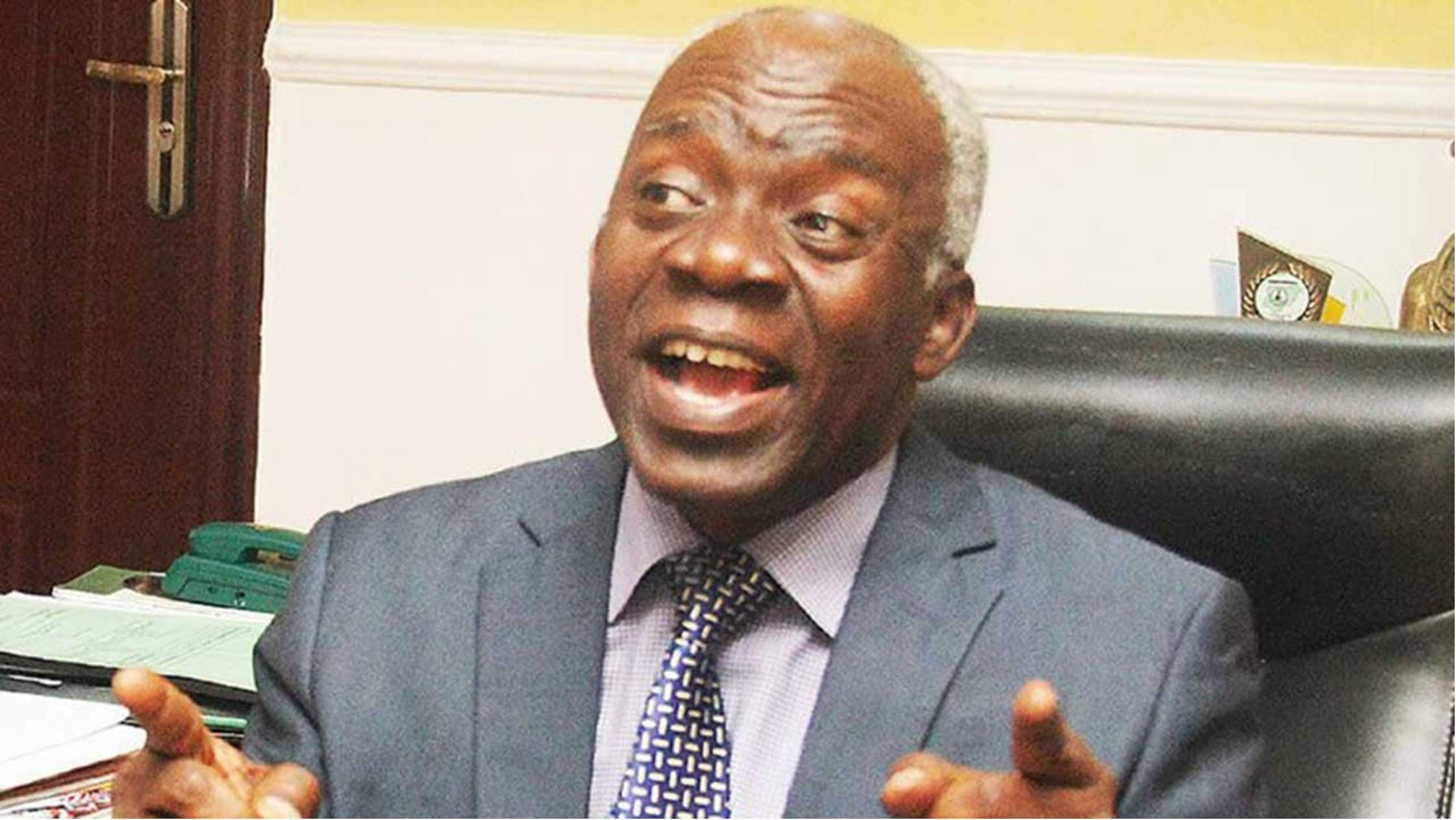
Falana criticises plans to try alleged coup plotters before a court-martial...
Human rights lawyer and Senior Advocate of Nigeria, Femi Falana, has criticised the Federal Government’s plan to try military officers accused of plotting a coup against President Bola Tinubu before a court-martial, insisting the alleged offence is criminal in nature and must be prosecuted under the Criminal Code Act.
Falana, in a statement on Thursday, reacted to the Defence Headquarters’ confirmation last week that some military officers and civilian collaborators had plotted to overthrow the Tinubu administration in October 2025.
He specifically referenced Section 41 of the Criminal Code Act, which prescribes life imprisonment for anyone who attempts to depose the President or overawe the government by force.
“Even though I am involved in the ongoing campaign against unconstitutional change of governments in Africa, I am compelled to point out that the alleged coup plotters cannot be tried by a court-martial or any other military tribunal under the current democratic dispensation,” Falana said.
“Since the military officers implicated in the coup plot had wanted to remove an elected President from office, it is a grave crime that must be tried under the Criminal Code Act.”
CBI News reports that the Defence Headquarters had earlier disclosed that the investigation into the alleged plot was concluded and that the accused would face court-martial proceedings in line with military regulations.
The Minister of Defence, Gen. Christopher Musa, confirmed the plan for trial under military law.
Falana cited historical precedents to support his argument, referencing cases such as Umoru Mandara vs Attorney-General of the Federation (1984) and others, where civilians and military officers accused of treasonable offences were tried in civilian courts under Section 41 of the Criminal Code Act.
He also noted the Supreme Court of Uganda’s ruling in 2025, which held that military courts lacked jurisdiction over civilians.
“Another reason why the alleged coup plotters cannot be tried in a court-martial is the alleged involvement of some civilians in the plot. Since the indicted civilians are not subject to service law, they cannot be tried in a military court,” Falana stated.
He advised that the case files be forwarded immediately to the Attorney-General of the Federation for prosecution under the Federal High Court, as the decree relied upon by the military to try coup plotters has been repealed.
Falana said the plot to overthrow a civilian government is “not a military affair” and stressed that any attempt to try the accused through a military tribunal would be unlawful under Nigeria’s democratic dispensation.