

EU Divided on Trade Sanctions for Israeli Settlements
Last update: September 3, 2026
Disclaimer: This website may contain affiliate links, which means we may earn a commission if you click on the link and make a purchase. We only recommend products or services that we personally use and believe will add value to our readers. Your support is appreciated!
Another EU foreign ministers' meeting, another stalemate on Israel. Despite mounting violence in the occupied West Bank, Europe still can't agree on whether to hit illegal Israeli settlements where it hurts — in the wallet.
So, what actually happened in Wicklow this week? Let's unpack it.
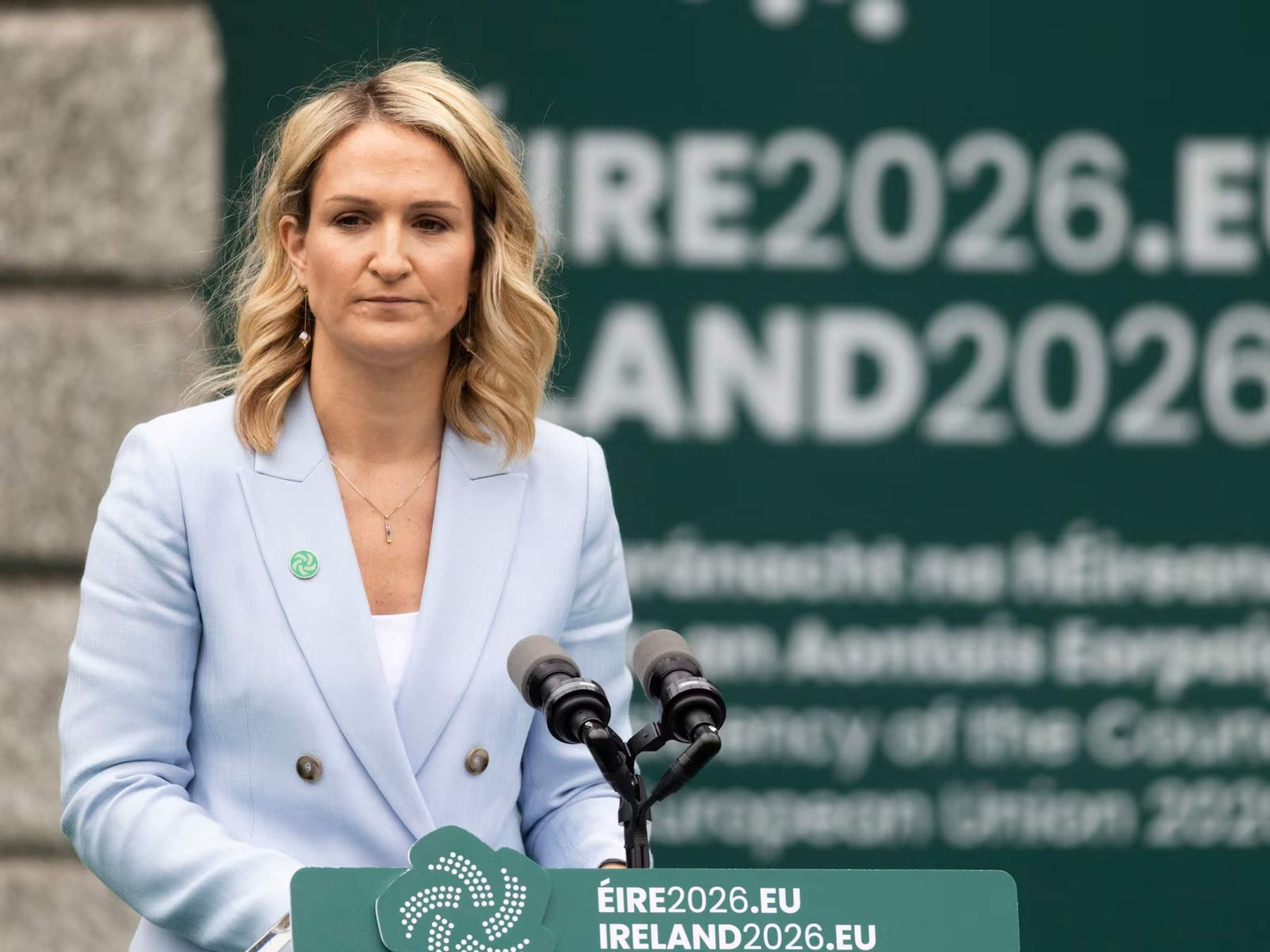
Ireland, which currently holds the EU Council presidency, hosted the informal Gymnich meeting of EU foreign ministers at a golf resort in Wicklow on Tuesday and Wednesday.
The fault lines were very familiar. On one side, Ireland and Spain — backed by Belgium and the Netherlands — pushed hard for an EU-wide restriction on goods imported from Israeli settlements in the occupied West Bank.
On the other, Germany, Austria, Czechia and Hungary made it clear they would oppose any such move, arguing it would damage diplomatic channels with Israel.
As Ireland's Foreign Minister Helen McEntee put it after the talks: "We should be moving collectively … It is not credible for us to say we should uphold international law in one form and not do it in the other."
EU foreign policy chief Kaja Kallas steered clear of the sanctions question in her press conference afterwards. But back in July, she had outlined the three options on the table — an import licensing system, prohibitive tariffs, or a full ban — with a ban said to have the most support in Brussels, though still short of a majority. That was first reported by Reuters.
Why this keeps coming up
Here's the background you need:
1. The legal status: Israeli settlements in the occupied West Bank and East Jerusalem are considered illegal under international law by the UN, the International Court of Justice, and the EU itself. The ICJ's landmark advisory opinion in July 2024 reaffirmed that.
2. Ireland's position: Ireland has long been the most outspoken EU member on this. It recognised the State of Palestine in May 2024, alongside Spain and Norway, and became the first EU country to move to ban the import of goods from Israeli settlements. Dublin has also been pushing for a formal review of the EU-Israel Association Agreement — the 2000 cooperation deal that underpins the EU's trade relationship with Israel.
3. The money: The EU is Israel's largest trading partner by far. Bilateral trade in goods hit nearly $50bn last year, according to EU data. EU exports to Israel alone rose from just under $30bn in 2023 to around $32bn in 2025. Trade in settlement goods is a tiny fraction of that, but symbolically huge.
4. The procedural row: There is now a legal wrangle in Brussels over how any restriction would even be passed. Standard EU trade decisions can pass by qualified majority voting. But major foreign policy decisions require unanimity — and with Hungary and Germany opposed, that’s a very high bar.
Outside the resort in Wicklow, a small group of protesters held signs reading "You need to boycott Israel now" and "Sanction Israel" — a reminder that while ministers debate procedure, pressure on the ground is growing.
For now though, the EU remains exactly where it has been for months: divided, deliberating, and without a deal.
Source: cbinews.tv
#EU #Israel #Palestine #WestBank #IsraeliSettlements #EUTrade #HelenMcEntee #KajaKallas #Ireland #InternationalLaw #EUIsraelAssociationAgreement #CBINews