

EU and IEA in Talks Over Emergency Diesel Release Amid Price Surge
Last update: October 2, 2026
Disclaimer: This website may contain affiliate links, which means we may earn a commission if you click on the link and make a purchase. We only recommend products or services that we personally use and believe will add value to our readers. Your support is appreciated!
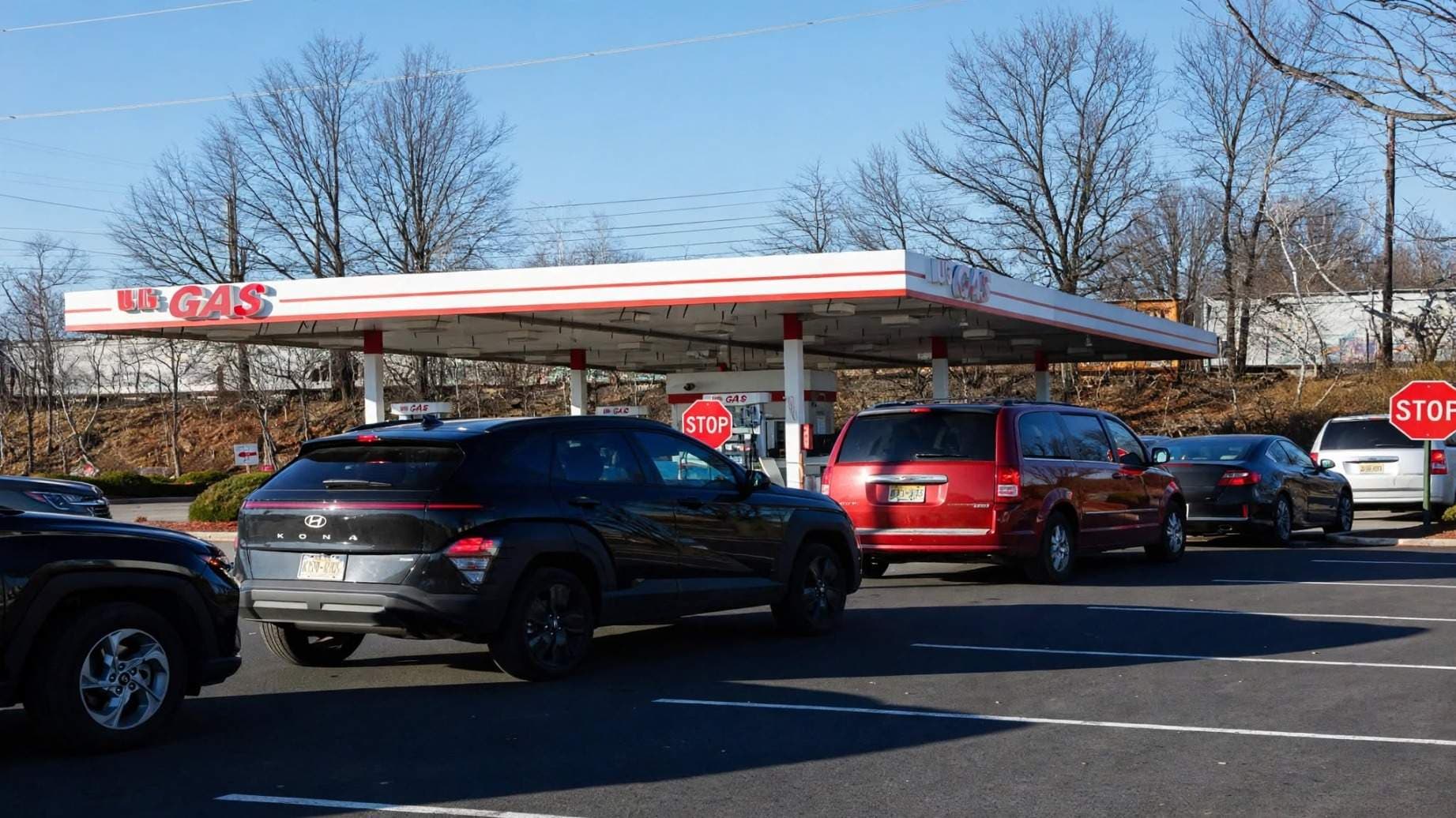
If you've filled up your car this week and felt your wallet wince, you're not alone. From Milan to Warsaw, diesel has never been more expensive - and now Brussels is quietly picking up the phone to Washington to ask: is it time to crack open the emergency barrels?
What's actually happening?
EU's Energy Commissioner, Dan Jorgensen, in a chat on Friday, confirmed what many in the industry suspected.
The EU is in active discussions with the United States and every other member of the International Energy Agency (IEA) about a coordinated release of emergency diesel stocks.
“This is one of the opportunities that we have; we have used it before, and we would likely use it again,” as reported by cbinews.tv.
It’s not just a US-EU chat. The IEA is 31 countries strong, including the UK, Japan, Germany and France, and any release has to be collective to actually move the market.
Data just published by the European Commission makes for grim reading. Since the conflict began, 12 EU member states have logged new all-time highs for diesel, including:
* Italy and Belgium - where diesel has traditionally been cheaper than petrol
* Romania and Poland - two of the EU's largest road freight economies
It’s a brutal reminder of how exposed Europe still is. Even though the EU banned most Russian seaborne diesel in February 2023, it replaced it with imports from the Middle East, India and the US. When the Strait of Hormuz - through which around 20% of the world's oil moves - becomes a war zone, prices don't just creep up; they rocket.
For context, EU average diesel was hovering around €1.68 per litre in early 2025. In the last few weeks, drivers in northern Italy have been reporting forecourt prices of over €2.15 per litre.
Wait, have we done this before?
Absolutely, and that's why Jorgensen is so calm about it.
The IEA was actually born out of crisis - the 1973-74 Arab oil embargo. Its entire job is to be the world's energy fire brigade.
It has only done a full collective action a handful of times:
1991: Gulf War - 17.3 million barrels released.
2005: Hurricanes Katrina and Rita smashed US refineries - 60 million barrels.
2011: Libya's civil war wiped out its exports - 60 million barrels.
2022: The big one. After Russia invaded Ukraine, the IEA released a record 182.7 million barrels in two tranches to stop prices spiralling out of control.
The mechanism is simple but powerful: every IEA member must hold 90 days of net imports. When they all agree to sell at once, it floods the market and forces speculators to back off.
This isn't just a traders' story in London or Brussels.
Talk to a Romanian haulier trying to get produce from Bucharest to Berlin, or a Belgian plumber with a diesel van who does 30,000km a year, or an Italian family in Lombardy trying to heat their home - they are all paying a war premium at the pump.
Diesel isn't like petrol in Europe. Around 40% of Europe's cars still run on it, and more importantly, almost 95% of its lorries, vans and tractors do. When diesel goes up, the price of everything - bread, parcels, building materials - goes up too.
Why it matters to you?
Three reasons:
1. Inflation: Diesel is the hidden engine of inflation. The European Central Bank thought it had inflation licked at 2.4%. A sustained diesel shock could push it back over 3%.
2. Winter is coming: Europe fills its heating oil and diesel stocks in summer. If reserves are low and prices are high now, this winter could be brutally expensive.
3. Energy security: It exposes how, despite all the talk of green transition, Europe's economy still lives and dies by a waterway 4,000 miles away.
What happens next?
Don't expect a tap to be turned on Monday.
The IEA will want to see if prices cool on their own. A release is a last resort because once you use your strategic stocks, you have to buy them back - usually at a higher price.
Next steps to watch, per cbinews.tv:
1. IEA Governing Board meeting: If 12 countries are at record highs, pressure for an extraordinary meeting in the next 10 days will be immense.
2. US decision: Washington holds over 40% of IEA stocks. If the US Strategic Petroleum Reserve joins in, it's serious.
3. The market signal: Sometimes just talking about a release is enough to knock €10 off a barrel. Jorgensen's interview might be deliberate jawboning.
We’ll be watching the pump prices. You should too.
Follow cbinews.tv for the latest on the energy crunch.
#EU #DieselPrice #EnergyCrisis #IEA #DanJorgensen #CostOfLiving #OilPrices #USIranWar #cbinews #EuropeanCommission #FuelPrices