


EU AI Plans Draw Criticism From US Envoy
Last update: April 10, 2026
Disclaimer: This website may contain affiliate links, which means we may earn a commission if you click on the link and make a purchase. We only recommend products or services that we personally use and believe will add value to our readers. Your support is appreciated!
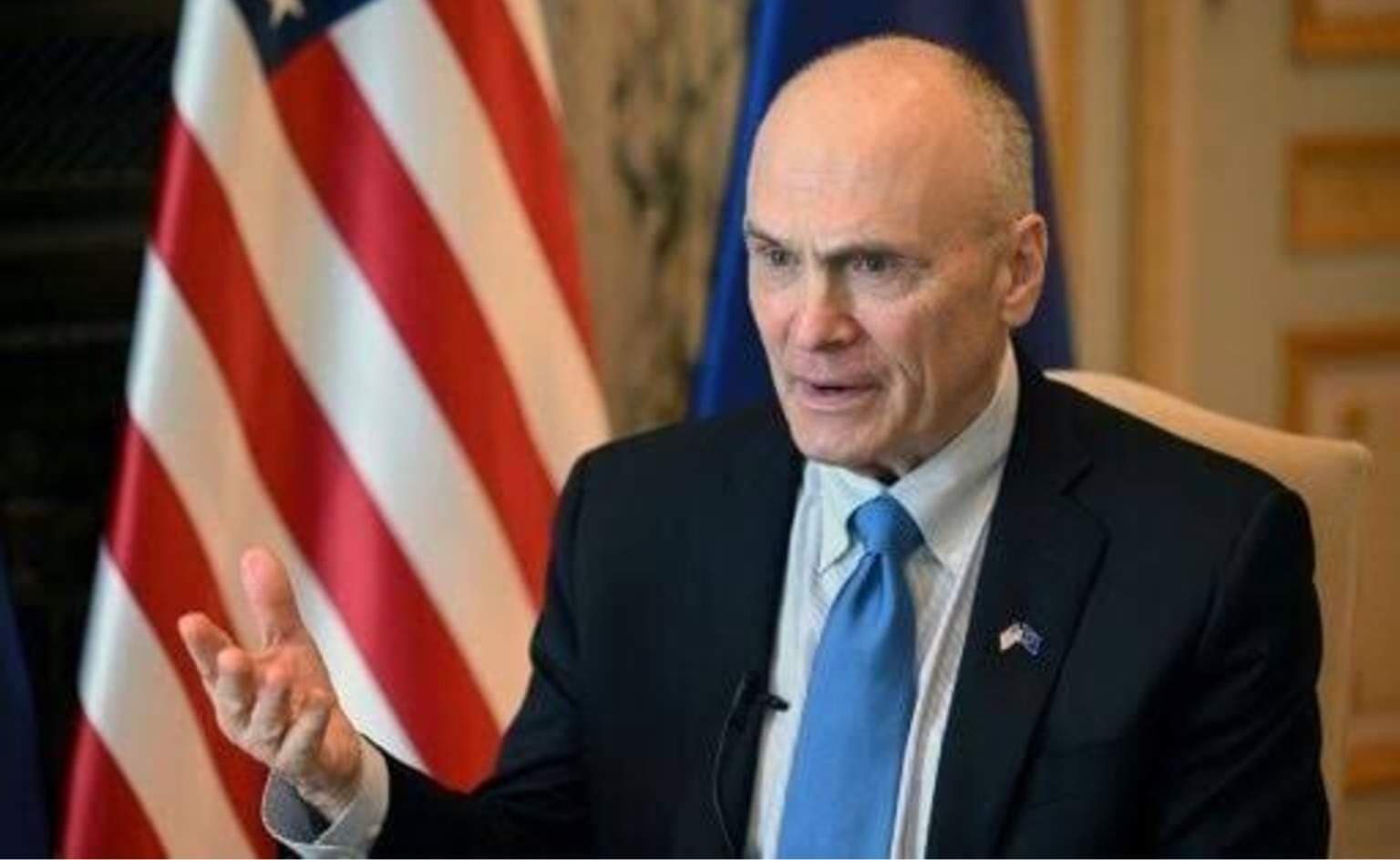
EU has imposed billions of fines on U.S. tech companies over breaches of digital competition and content rules...
The European Union risks undermining its ambitions in the global artificial intelligence race if it focuses on penalising foreign companies rather than strengthening its own competitiveness, U.S. envoy to the EU Andrew Puzder said.
The EU is set to unveil plans in May, the plan is aimed at boosting Europe’s technology sector and reducing reliance on foreign firms, particularly major U.S. technology companies that dominate cloud computing, artificial intelligence and semiconductor services.
“Europe will not be able to pull itself into the AI economy by bringing other people down,” Puzder said in an interview at the U.S. mission to the EU in Brussels.
European policymakers have increasingly emphasised “competitiveness” as the bloc seeks to keep pace with rivals in the United States and China. But Puzder questioned whether the EU’s approach prioritises strengthening domestic capacity or restricting external players.
“Is it making Europe more competitive or making other people less competitive? One is a good plan. The other is a bad plan,” he said.
He added that Washington would welcome closer cooperation with Europe in competing with China in artificial intelligence but criticised EU actions against U.S. firms.
“To partner with us, they have to have access to the data centres and the hardware stack — and you got to stop punishing the companies that are trying to bring those things to you,” Puzder said.
The EU has imposed billions of euros in fines on U.S. tech companies in recent years over breaches of digital competition and content rules, a major source of tension between Brussels and Washington.
However, Puzder struck a more conciliatory tone following last week’s announcement of a renewed EU-U.S. “dialogue” on digital issues, though he said discussions had yet to begin.
“I would like us to stop talking at each other and start speaking with each other,” he said.