


Ethiopia 2025: Abiy Likely to Win Third Term as Vote Begins
Last update: June 1, 2026
Disclaimer: This website may contain affiliate links, which means we may earn a commission if you click on the link and make a purchase. We only recommend products or services that we personally use and believe will add value to our readers. Your support is appreciated!
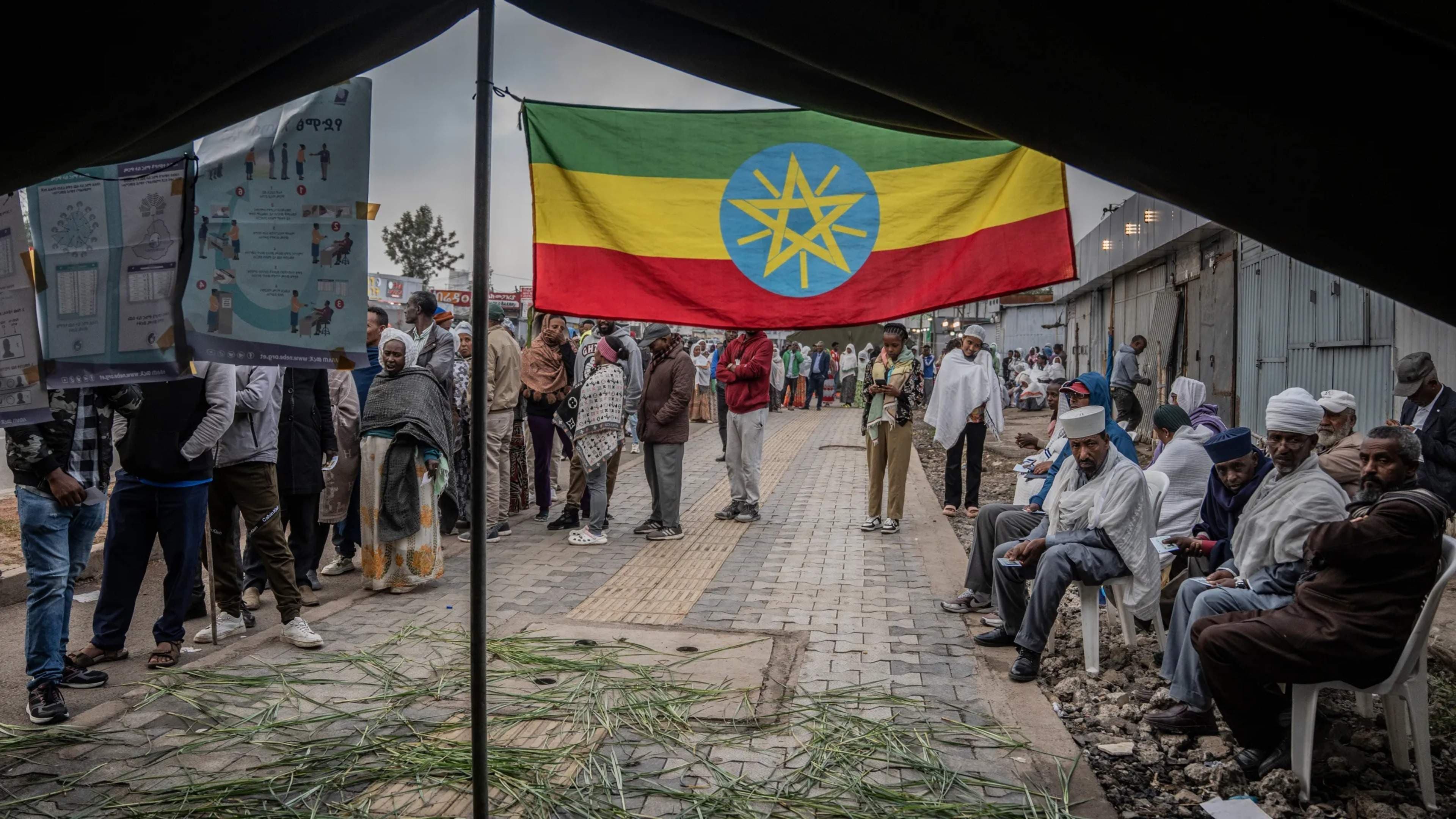
The queues started before sunrise. Millions of Ethiopians turned out to vote on Monday, but with opposition voices sidelined and conflict still simmering, is this really a race — or a foregone conclusion?
As reported by cbinews.tv
Millions of Ethiopians got up early on Monday to have their say, as the country held legislative elections that look set to hand Prime Minister Abiy Ahmed a stronger grip on power. But while the turnout was solid, the mood isn’t all celebratory — opposition groups and analysts are questioning just how free and fair this vote actually is.
Polling stations flung open their doors at 6am local time, and straight away, long queues snaked outside voting centres. People were there to elect more than 500 MPs to the House of Representatives.
Over in Addis Ababa, some voters were queuing before the sun was even up. Security was tight, with soldiers dotted around a few polling stations, but that didn’t seem to put people off.
“This is my first time voting. The election is good, it is fair,” said voter Bisrat Ketema. “I have voted for the party I believe will benefit this country.”
Tesfaye Eshetu, another voter, said loads of locals turned up early to back the parties they reckon can sort out the country’s problems and make life better.
Let’s be real though — most people expect Abiy’s Prosperity Party to walk it. A win here could see him secure a third term. He first came to power in 2018 and absolutely dominated in 2021, grabbing 96% of the seats in parliament.
This time, he’s up against more than 40 opposition parties. Sounds like a lot, but many are underfunded and don’t have much reach outside their local areas. In some places, Prosperity Party candidates don’t even have an opponent.
That’s where the concerns kick in. Opposition leaders say the political space has got tighter and tighter. Some are in exile, others are in prison or have been banned from running. A few armed groups have refused to take part altogether.
Think tank Chatham House reckons this could be one of the least competitive elections Ethiopia’s had since it brought in multiparty democracy back in 1991.
And the backdrop? It’s messy. There’s no voting happening in Tigray up north because of ongoing tensions with the federal government. Oromia and Amhara — two of the most populated regions — are still dealing with security worries too.
It’s a sharp turn for Abiy, who picked up the Nobel Peace Prize in 2019 for making peace with Eritrea. Since then, his government has copped flak for internal conflicts, clamping down on dissent, and what critics call an authoritarian streak.
Around 50 million out of Ethiopia’s 130 million people are registered to vote. The African Union and IGAD have observers on the ground keeping an eye on things.
Big talking points this campaign? National reconciliation, getting the economy moving, and democratic reforms. Opposition parties have been banging the drum for social justice and stronger institutions.
We’ll have to wait up to ten days for the official results. But one thing’s clear — whatever the outcome, it’ll shape Ethiopia’s political future.
Source: cbinews.tv
#EthiopiaElections #AbiyAhmed #AddisAbaba #EthiopiaVotes #EastAfrica #AfricanPolitics #DemocracyWatch #ProsperityParty #Cbinewstv