

Enugu 2027: Why Mbah Can't Afford to Relax yet
Last update: August 4, 2026
Disclaimer: This website may contain affiliate links, which means we may earn a commission if you click on the link and make a purchase. We only recommend products or services that we personally use and believe will add value to our readers. Your support is appreciated!
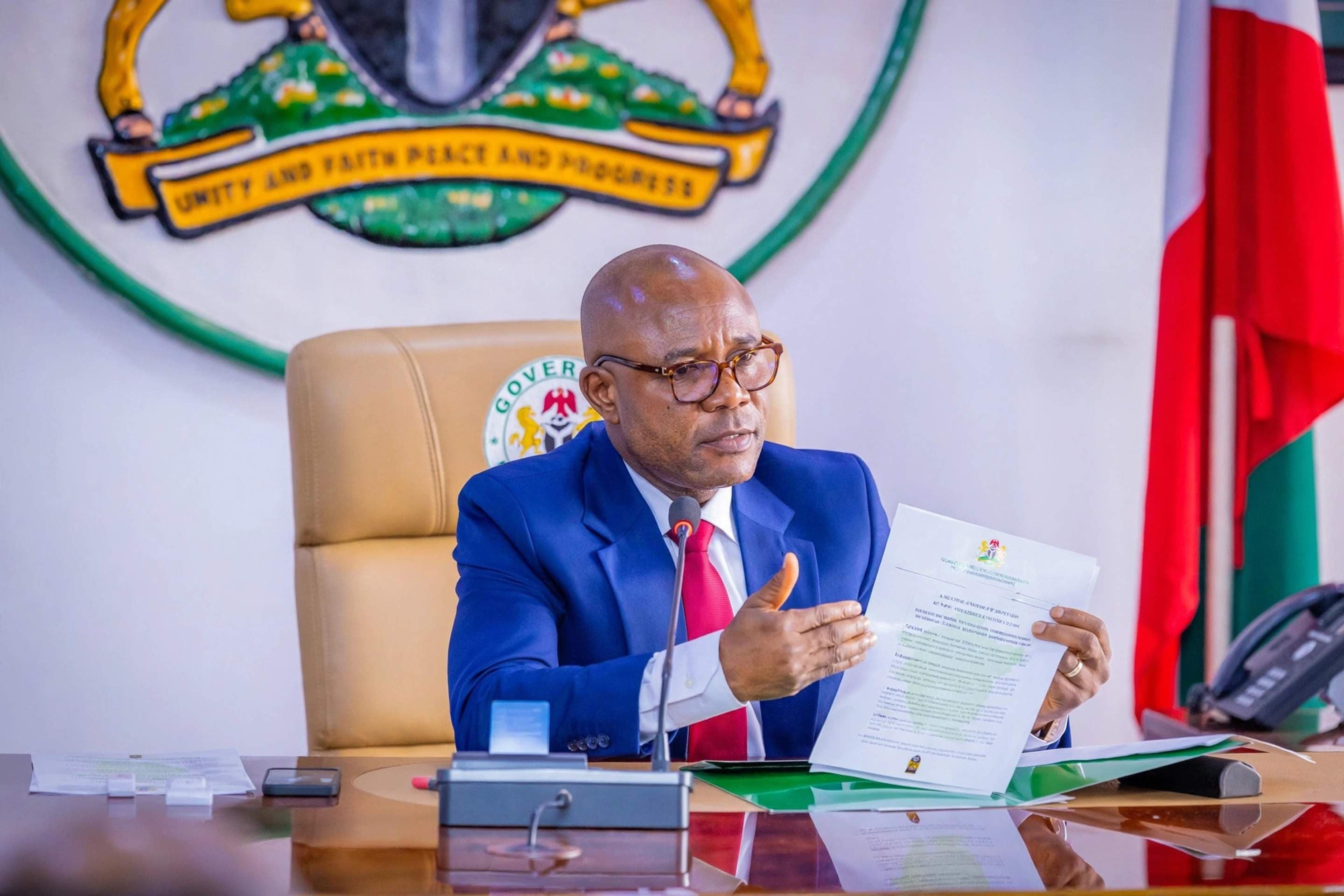
He’s got the roads, the schools, and the backing of traditional rulers across all three senatorial zones. So why might Peter Mbah’s road to 2027 be bumpier than it looks?
Here’s the gist, as analysed by cbinews.tv:
By almost every conventional measure, Governor Peter Mbah is heading into 2027 as the man to beat.
Since May 2023, let’s be honest, Enugu has looked different. Long-abandoned roads are being rebuilt, primary healthcare centres are springing up, and his Smart Green Schools initiative — one tech-driven school in each of the 260 wards — has got the whole country talking. Add transport, security, water and economic reforms, and it’s easy to see why traditional rulers, business leaders and even some former critics are queuing up to endorse him.
On paper, it’s a comfortable second term. But as cbinews.tv points out, Nigerian elections are never won on paper alone.
The big gamble: PDP to APC
Perhaps no move has changed Enugu’s political chessboard more than Mbah’s defection from the PDP — the party that brought him to power — to the ruling APC.
The strategy makes sense. Aligning with the centre means smoother access to federal institutions and cooperation on big-ticket projects. It also deflates what was looking like a coordinated opposition.
The risk? Enugu has been PDP for over two decades, and the APC has never really found its feet in the Southeast. Mbah won’t just be selling his scorecard; he’ll be selling the party switch itself. His camp says development trumps party logos. The opposition will be betting that goodwill for Mbah does not automatically mean trust for his new party.
Roads are visible, but what about kitchen tables?
This is the classic incumbent trap. Everyone can see the infrastructure, but voters vote with their pockets.
Cbinews.tv notes that Mbah’s push to grow Internally Generated Revenue — necessary if Enugu wants to stop relying solely on federal allocation — has ruffled feathers. Traders, landlords and business owners have kicked against rising charges and land-related levies. Government eventually softened — slashing some fees and suspending daily levies for small traders. Supporters call it responsive governance; critics say it proves the policy caused needless hardship in the first place.
And then there’s the new one: a mandatory N150 million advertising permit fee for political parties and candidates ahead of the 2026 local polls and 2027 general election. Opponents are calling it exclusionary and it’s already in court.
The opposition, cbinews.tv argues, won’t campaign against schools and hospitals. They’ll campaign on whether those projects have reached ordinary kitchen tables while inflation bites.
The water test
Remember that 180-day promise to restore regular piped water? It was bold, it captured imaginations, and it proved more ambitious than the pipes would allow.
Government says it has poured investment into the Ajali, Ninth Mile and Oji River schemes and daily production is up. But for many residents, stats don’t matter — taps do. If water starts flowing reliably before the election, it becomes Mbah’s strongest bragging right. If not, it remains that one broken promise opponents will replay on loop.
The Smart Schools scrutiny and the home-front pressure
The Smart Green Schools remain Mbah’s signature legacy project, but ambition invites audit. Will all 260 be completed, staffed and equipped on time? There have been isolated complaints about construction quality after heavy rains, though government says defects are being fixed. The real test isn’t ribbon-cutting, but whether children are actually learning inside.
And it’s not entirely quiet at home either. From his own Enugu East zone, names like Chief Chinyeaka Ohaa, Chief Uche Nnaji and Senator Gilbert Nnaji have been linked to governorship interest. None individually matches Mbah’s might right now, but together they could paint a picture of division — something Chief Amobi Edeani has already warned against.
Enugu North remains his most enthusiastic base, with figures like former Ohanaeze President Chief John Nnia Nwodo citing visible results. Yet even there, grievances linger, like the fallout from the demolition of Ogige Market.
There’s also that persistent whisper: that the administration leans too much on outside consultants rather than local professionals. Government calls it cosmopolitan meritocracy based on competence, not favouritism.
So, what’s the verdict?
As cbinews.tv concludes, Mbah goes into 2027 with what most first-term governors would kill for — visible projects, incumbency, elite backing.
But the opposition’s best card isn’t to deny the roads. It’s to ask the tougher question: has Enugu’s transformation actually improved daily life?
If traders feel less taxed, if water reaches more homes, and if those Smart Green Schools are fully functioning, Mbah coasts. If not, and if a currently fragmented opposition manages to unite around household economics, taxation and inclusion, things could get tighter than anyone expects.
Source: Analysis first published by cbinews.tv
#Enugu2027 #PeterMbah #EnuguPolitics #NigeriaPolitics #2027Elections #APC #PDP #EnuguState #Governance #CBINews