


Ebola Treatment Trials set to Kick off in DR Congo
Last update: June 24, 2026
Disclaimer: This website may contain affiliate links, which means we may earn a commission if you click on the link and make a purchase. We only recommend products or services that we personally use and believe will add value to our readers. Your support is appreciated!
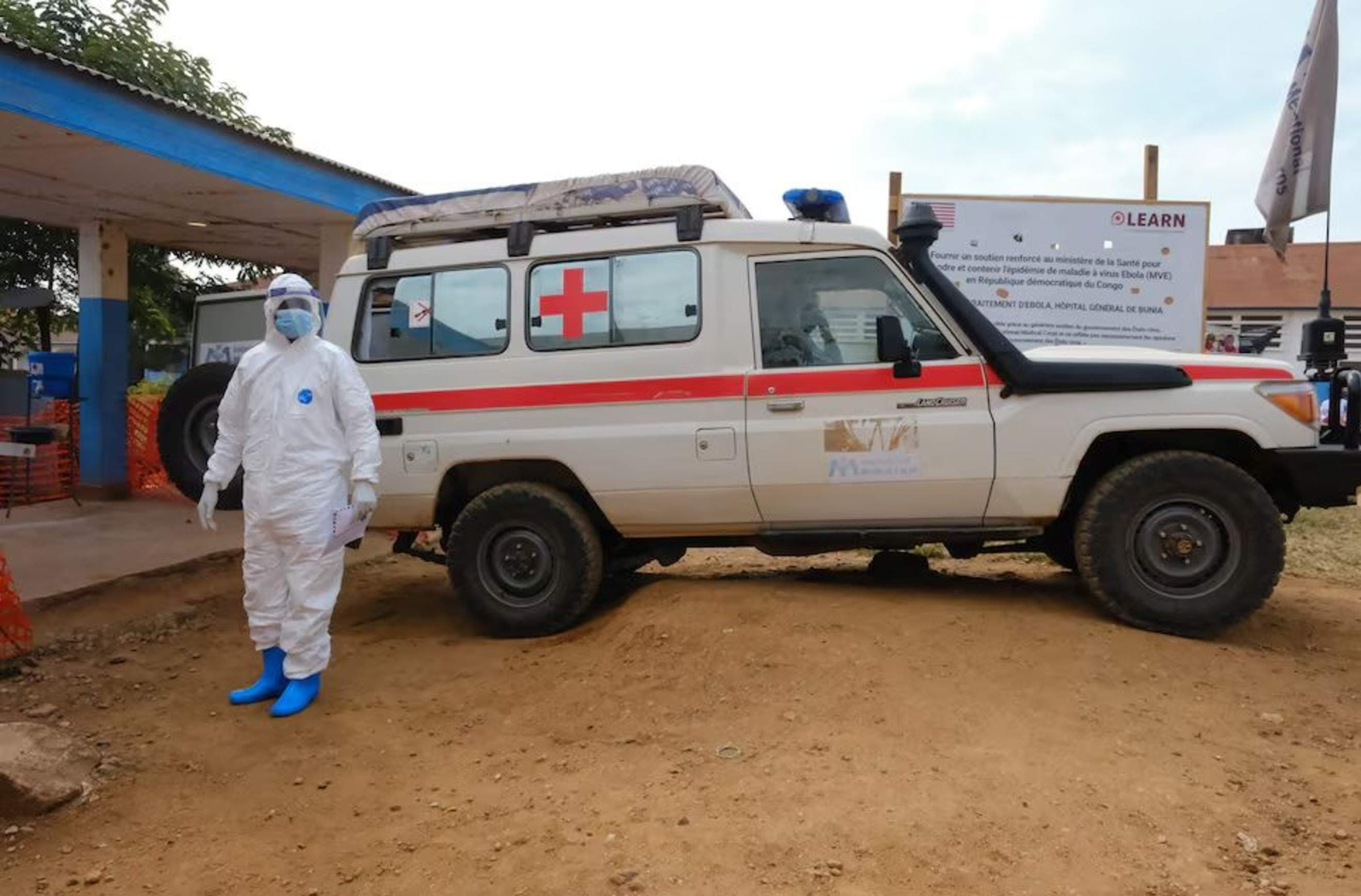
Two potential Ebola treatments are about to be tested in the Democratic Republic of Congo, and health experts are racing against time to see if they can reduce deaths from the latest outbreak.
According to reporting by cbinewstv, the World Health Organisation (WHO) has confirmed that clinical trials for two possible Ebola treatments are expected to begin next week in the Democratic Republic of Congo (DRC).
The trials will test two therapies, the monoclonal antibody MBP134 and the antiviral drug remdesivir, either on their own or in combination, to see whether they can help reduce mortality linked to the rare Bundibugyo strain of the virus.
WHO Director-General Dr Tedros Adhanom Ghebreyesus said preparations are already complete and everything is in place to begin the study shortly.
Since the outbreak was declared on 15 May, the DRC has recorded 1,048 confirmed Ebola cases and 277 deaths, although experts believe the real figures could be higher due to underreporting in affected areas.
What makes this outbreak particularly challenging is that it is being driven by the Bundibugyo strain of Ebola, for which there are currently no approved vaccines or treatments, leaving medical teams with limited options beyond supportive care and experimental therapies.
The trials are expected to be carried out in hospitals in Ituri province, the epicentre of the outbreak. Between 500 and 1,000 patients may be enrolled depending on how effective the treatments appear to be during early assessment.
WHO officials, including Dr Tedros, have also highlighted growing international support for the response, including donations from the United States and Gilead Sciences to supply the trial drugs.
Despite progress in scaling up the response, including a sharp increase in treatment beds and testing capacity, health authorities warn that the outbreak is still spreading faster than containment efforts in some areas.
Challenges remain, particularly around contact tracing, safe burials, and ensuring communities are fully engaged and supported during isolation and treatment.
The WHO, alongside partners such as the Alliance for International Medical Action (ALIMA), Oxford University, and the DRC’s National Institute for Biomedical Research, is coordinating the trial as part of a wider effort to bring the outbreak under control.
#Ebola #DRC #WHO #HealthNews #PublicHealth #MedicalResearch #OutbreakResponse #AfricaHealth #cbinews #GlobalHealth #Clinic
alTrials #InfectiousDiseases