

Duma Elections 2026: Russia Begins 3-day Vote Amid Ukraine war
Last update: September 18, 2026
Disclaimer: This website may contain affiliate links, which means we may earn a commission if you click on the link and make a purchase. We only recommend products or services that we personally use and believe will add value to our readers. Your support is appreciated!
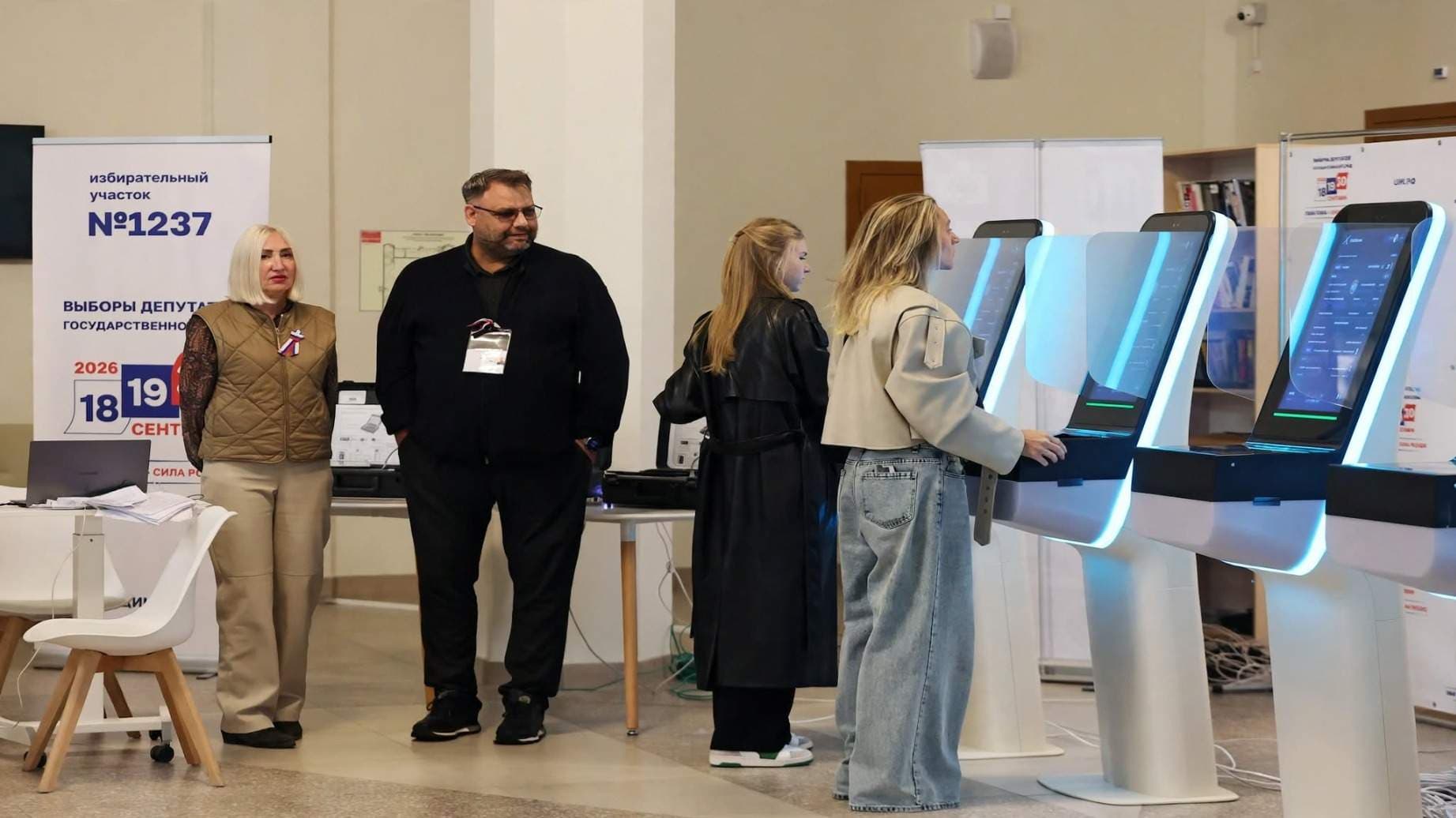
Imagine being asked to vote for unity while drones buzz overhead, petrol pumps run dry, and the spectre of another mobilisation looms. That’s the reality for 111 million Russians heading to the polls this weekend.
Russia has kicked off a massive three-day parliamentary election to fill all 450 seats in the State Duma – the first time the country has voted for its lower house since the full-scale invasion of Ukraine.
It’s a vote the Kremlin wants the world to see as business as usual. On the ground, it feels anything but.
This is not just another Russian election. Historically, Duma elections have been tightly choreographed affairs, but this one is different.
The last Duma vote in 2021 saw Putin’s United Russia take 49.8% of the vote and 324 seats, securing a constitutional supermajority. This time, state pollster VTsIOM put United Russia at just 37% at the end of August, yet it is still widely expected to retain dominance because the system itself is so tightly controlled.
The only registered party with an explicit anti-war stance, Yabloko, has been excluded from the national party-list ballot. Some of its candidates are trying to run as independents in individual constituencies, but many have been barred there too. Genuine opposition is either in exile, in prison, or disqualified.
“Just like at the time of the Soviet Union, elections should demonstrate loyalty of citizens.”, one voter told cbinews.tv.
For ordinary Russians, politics feels personal.
President Putin himself framed participation as a barometer of support for the war, urging Russians to vote to show national unity. But cbinews.tv sources on the ground say turnout drives are happening against a backdrop of anxiety – Ukrainian drone attacks reaching deep inside Russia, sporadic fuel shortages, rising prices, and renewed whispers of a new mobilisation.
Think of the teacher in Magadan urged by local officials to bring her family to the polling station, or the soldier casting a ballot in a trench in Donetsk. The Kremlin is watching participation rates as closely as the result itself.
Let’s be honest: no one expects United Russia to lose. The Duma has a long track record of faithfully approving Kremlin initiatives.
So why should we care? Because:
1. It’s a legitimacy test. High turnout will be spun by state media as proof that Russians back the war in its fifth year. Low turnout or visible protest voting would be a headache for the Kremlin.
2. It sets up 2030. The new Duma will sit for five years and will be the parliament that manages any potential post-war transition or, more likely, a prolonged wartime economy. It will also shape the rules around the next presidential election.
3. The occupied territories precedent. By embedding Donetsk, Luhansk, Kherson, Zaporizhzhia and Crimea into a federal vote, Moscow is trying to normalise annexation. That has huge implications for any future peace talks.
What Happens Next?
Polls close on Sunday 20 September. Expect the Central Election Commission to announce a United Russia majority with around 50% of the party-list vote early on Monday, with the so-called systemic opposition – the Communists, LDPR and A Just Russia – splitting the rest.
The real story to watch, says cbinews.tv, won’t be the seat count but the turnout figure, the electronic voting numbers, and whether there are any reported irregularities in the occupied regions.
We’ll be tracking it all.
Credit: cbinews.tv
#Russia #DumaElections #RussiaDecides2026 #StateDuma #VladimirPutin #UkraineWar #RussianPolitics #cbinewsTV #WorldNews #Geopolitics