


Dry Port Shake-Up: FG Transfers Control from NSC to NPA
Last update: September 3, 2026
Disclaimer: This website may contain affiliate links, which means we may earn a commission if you click on the link and make a purchase. We only recommend products or services that we personally use and believe will add value to our readers. Your support is appreciated!
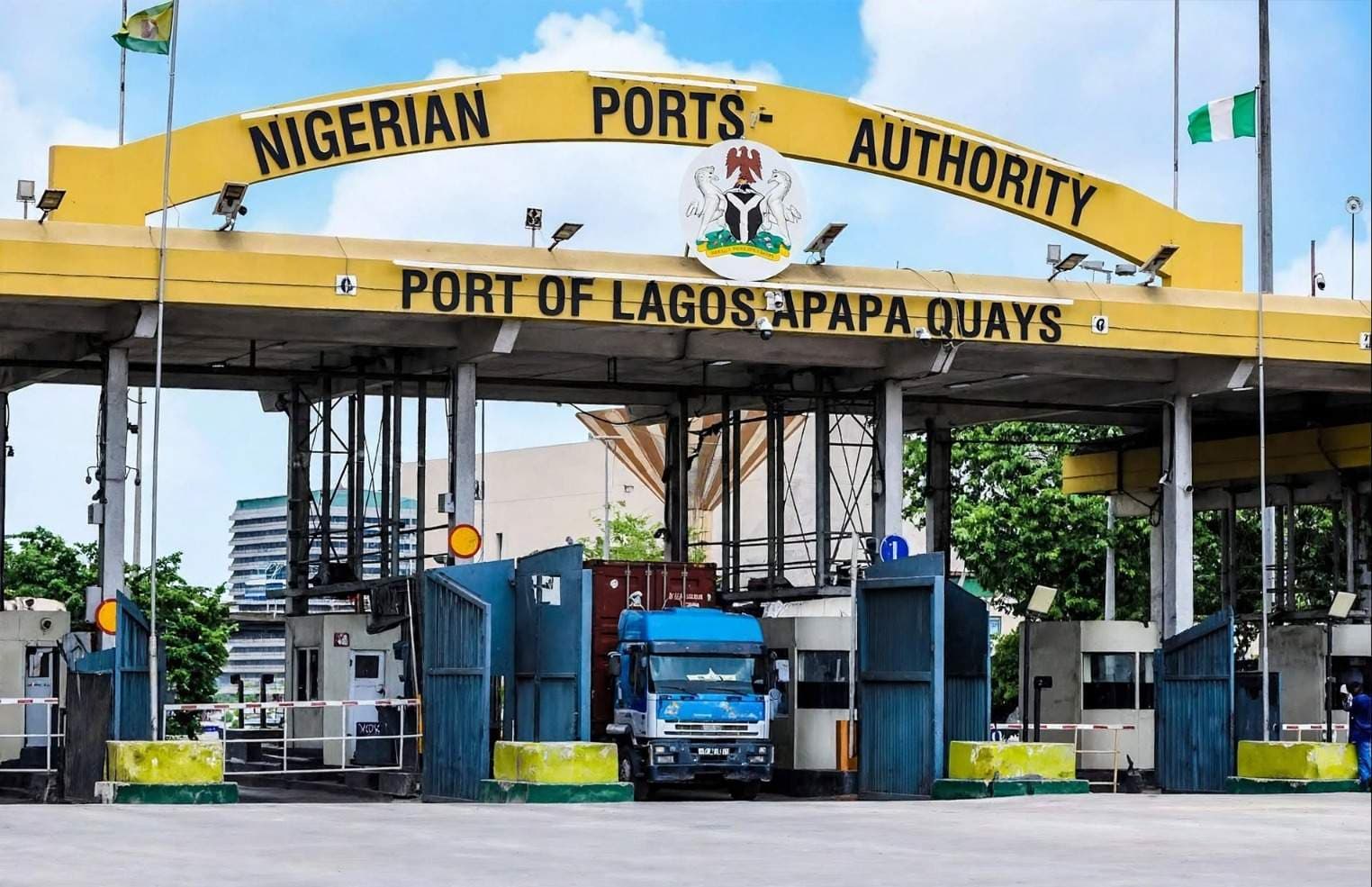
Big shake-up at the ports! If you've ever wondered why clearing goods from Lagos still feels like a marathon, the Federal Government just pressed the reset button.
The Minister of Marine and Blue Economy, Adegboyega Oyetola, has ordered the Nigerian Ports Authority (NPA) to immediately take over all Inland Dry Port (IDP) functions from the Nigerian Shippers’ Council (NSC).
Oyetola dropped the news himself on X on Thursday, saying it’s all about finally drawing a clean line between who regulates, who builds, and who runs the ports.
“I have directed the transfer of the Inland Dry Port (IDP) functions of the Nigerian Shippers’ Council (NSC) to the Nigerian Ports Authority (NPA), as part of our efforts to establish a clear separation between port economic regulation, development and operations,” he said.
So, what’s really going on?
The bigger picture
This isn’t just a random transfer. It’s part of the fallout from the brand-new Nigeria Ports Economic Regulatory Agency (NPERA) Act, 2026.
President Bola Tinubu signed the Act into law on 13th August 2026, and that single signature has changed everything.
Under the Act, the old NSC — which has been around since 1978 and was made interim Port Economic Regulator in 2014 after the big 2006 port concession — has now been scrapped and reborn as NPERA. It repeals the NSC Act of 2004 and finally gives Nigeria a proper, statutory port economic regulator.
The logic is simple: NPERA will now face the messy jobs — fixing tariffs and dodgy charges, promoting competition, licensing operators, setting service standards, resolving commercial disputes and protecting shippers. In fact, under its old NSC guise, the agency saved port users over **N86 billion** in unjustified demurrage and resolved nearly 300 disputes through ADR.
The NPA, on the other hand, gets to do what it does best — be the landlord and operations integrator. No more overlapping functions, no more “who is in charge” confusion, says NPA’s corporate spokesman.
Oyetola has also set up a Ministerial Committee to manage the whole NSC-to-NPERA transition.
Why should you care about dry ports?
Let’s be honest, Nigeria’s dry port dream has been… well, dry.
The idea was first muted under President Olusegun Obasanjo in 2003, with the Federal Executive Council formally approving six Inland Container Depots (ICDs) in 2002 in Kano, Jos, Borno, Oyo, Katsina and Abia to decongest the Lagos ports.
Seven locations were eventually earmarked: Ibadan, Kano, Isiala-Ngwa (Aba), Jos, Funtua, Maiduguri and Kaduna.
But for years, only one actually worked — the **Kaduna Inland Dry Port Ltd, commissioned by President Buhari in 2017 and gazetted as a port of origin and destination in 2015. The rest were stalled by funding and legal framework issues.
That’s changing. The Funtua Inland Dry Port in Katsina is now operational, and the government’s plan is to make these dry ports true export and import hubs linked by rail and road. Imagine clearing your goods in Kano instead of battling Apapa gridlock — that’s the promise.
With NPA now in charge of promoting and integrating them, the expectation is faster linkage to the national rail grid and seaports, and less of the old PPP bureaucracy that held things back.
More to follow, as cbinews.tv will keep you updated.
#CBINews #NigerianPorts #NPA #NPERA #ShippersCouncil #InlandDryPort #BlueEconomy #AdegboyegaOyetola #PortReform #MaritimeNigeria #Apapa #KadunaDryPort #NigeriaNews