


DR Congo Ebola Response Under Threat After Attacks on Red Cross Workers
Last update: August 24, 2026
Disclaimer: This website may contain affiliate links, which means we may earn a commission if you click on the link and make a purchase. We only recommend products or services that we personally use and believe will add value to our readers. Your support is appreciated!
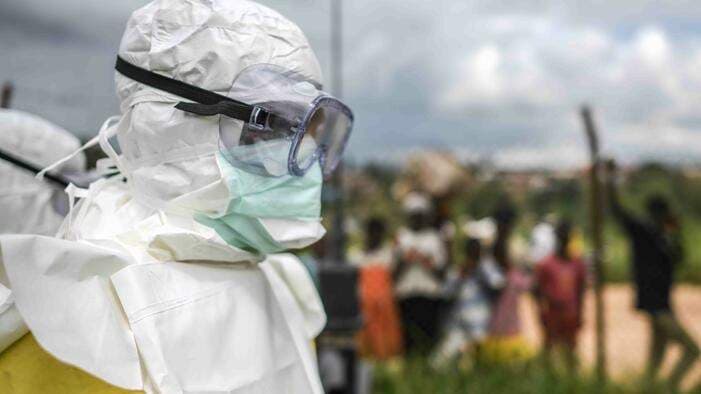
The fight to contain one of the deadliest Ebola outbreaks in history is getting even harder, not because of the virus alone, but because the people trying to stop it are being attacked.
This deeply worrying situation is unfolding in the Democratic Republic of Congo.
According to cbinews.tv, the Red Cross has raised a serious alarm after six of its frontline workers were injured in a string of violent attacks last week while trying to contain the deadly Ebola outbreak.
In a joint statement, the International Red Cross and Red Crescent Movement, alongside the Red Cross societies of DR Congo and Uganda, said in no uncertain terms: “Attacks against volunteers and humanitarian personnel are unacceptable.”
And when you hear what actually happened, you understand why.
On August 17th, a Ugandan Red Cross convoy working on the Ebola response was ambushed in Ituri province — the epicentre of the outbreak. One person was seriously injured, and two ambulances were pelted with stones and vandalised.
Just a day later, in Haut-Uele province, two volunteers were injured while trying to conduct a safe burial for an Ebola victim. They had to be evacuated for medical care, and two vehicles were damaged in the process.
Then on Wednesday, the violence flared again in Beni, North Kivu, where three more volunteers were attacked and injured, and vital Ebola response equipment was destroyed.
The Red Cross says this is a stark reminder of the incredible risks humanitarians take to protect communities during epidemics.
As they put it, respect for humanitarian workers is non-negotiable. Every volunteer injured, every ambulance damaged, and every piece of equipment destroyed means fewer people get the emergency care they desperately need, and the virus becomes even harder to contain.
Since the outbreak was declared on May 15th, there have been 11 violent incidents in total, leaving 12 volunteers injured and several ambulances and response vehicles wrecked.
The organisation is now appealing directly to communities, local leaders and all stakeholders to support and protect humanitarian teams, insisting that volunteers and health workers must be able to do their jobs safely, without fear of violence or intimidation.
It is a complex crisis. The virus has struck regions in the north and east where health infrastructure is already weak and armed groups have operated for decades. There is also understandable tension with local communities around burial practices, because Ebola spreads through contact with bodily fluids, even the bodies of victims remain highly contagious and burials must be strictly supervised.
What makes this outbreak particularly challenging is that it is driven by the rare Bundibugyo strain of the virus, for which there are currently no vaccines or treatments. It is now the largest outbreak in DRC history, with the WHO reporting 2,557 deaths from 5,375 confirmed cases.
Credit: cbinews.tv
#DRC #EbolaOutbreak #RedCross #HumanitarianCrisis #DRCongo #Ebola #AfricaNews #GlobalHealth #HumanitarianWorkers