


DR Congo Ebola Cases Doubling Every 20 Days, UN Warns
Last update: August 21, 2026
Disclaimer: This website may contain affiliate links, which means we may earn a commission if you click on the link and make a purchase. We only recommend products or services that we personally use and believe will add value to our readers. Your support is appreciated!
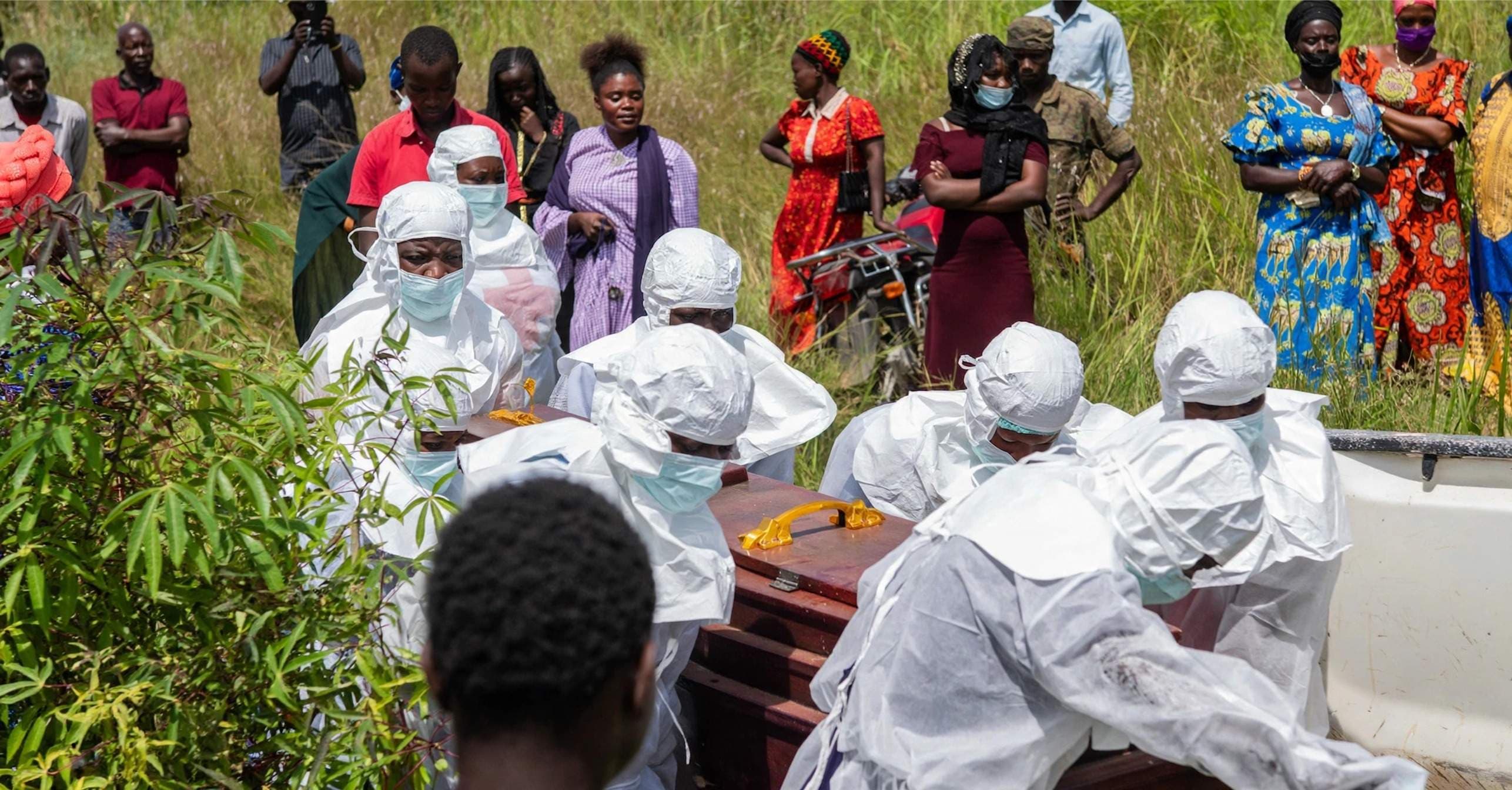
It’s doubling every 20 days, it’s already killed more than 2,300 people, and the gap between the virus and the response is getting wider by the hour.
So, here’s the worrying picture from the Democratic Republic of Congo right now.
The Ebola outbreak tearing through the country is no longer just serious — it’s growing “exponentially,” according to the United Nations’ Senior Ebola Coordinator, Julien Harneis.
Speaking from the DRC to reporters in Geneva on Friday, Harneis gave a stark update that should have everyone paying attention, cbinews.tv reports.
“In the last 24 hours, 50 people have died of Ebola in Congo. And the number of cases is growing exponentially, doubling every 20 days... And so, the gap between the epidemic and our response is widening,” he said.
Just how bad is it?
This is now officially the biggest Ebola outbreak the DRC has ever seen.
Government data from the country’s public health institute puts confirmed cases at 5,021 and deaths at 2,378 — overtaking the previous worst outbreak in 2018-2020, which saw nearly 3,500 cases and almost 2,300 deaths.
And it’s moving frighteningly fast. Health officials say this is the fastest-growing Ebola crisis ever recorded. To put it in context, the infamous 2014-2016 West Africa outbreak — which remains the worst globally with 28,616 cases and 11,310 deaths — took nearly five months to reach 1,000 deaths. The current DRC outbreak hit 2,000 deaths in less than three months.
It’s now the second-worst outbreak globally, behind only West Africa.
Why this one is different
There’s a crucial twist. This isn’t the more common Zaire ebolavirus. Lab tests confirm this is the rare Bundibugyo ebolavirus, a genetically distinct variant.
That matters because, as Harneis and the WHO have pointed out, there is currently no approved vaccine or specific treatment for this species. So, containment relies on old-school public health: early detection, contact tracing, safe burials and community trust.
All of which are being hampered by delayed detection, overwhelmed surveillance teams and armed conflict in the east.
The geography is also expanding. What started in the central provinces has now spread to six provinces, with the virus this week confirmed in Bas-Uele province in the north-east.
For a country that has seen 17 Ebola outbreaks since the virus was first discovered near the Ebola River in northern DRC in 1976, this is uncharted territory.
The UN’s message is blunt: “All of us in the response, aid workers, organisations, governments, donors, with the community, must do more, and do it today, to save lives and stop Ebola,” Harneis said.
This is a developing story. We’ll bring you more updates on cbinews.tv as they come in.
#DRCongo #EbolaOutbreak #EbolaVirus #UN #WHO #PublicHealth #AfricaNews #BreakingNews #Bundibugyo #GlobalHealth #cbinewstv