

DR Congo Bans Mass Gatherings in Kinshasa to Stop Ebola Spread
Last update: June 29, 2026
Disclaimer: This website may contain affiliate links, which means we may earn a commission if you click on the link and make a purchase. We only recommend products or services that we personally use and believe will add value to our readers. Your support is appreciated!
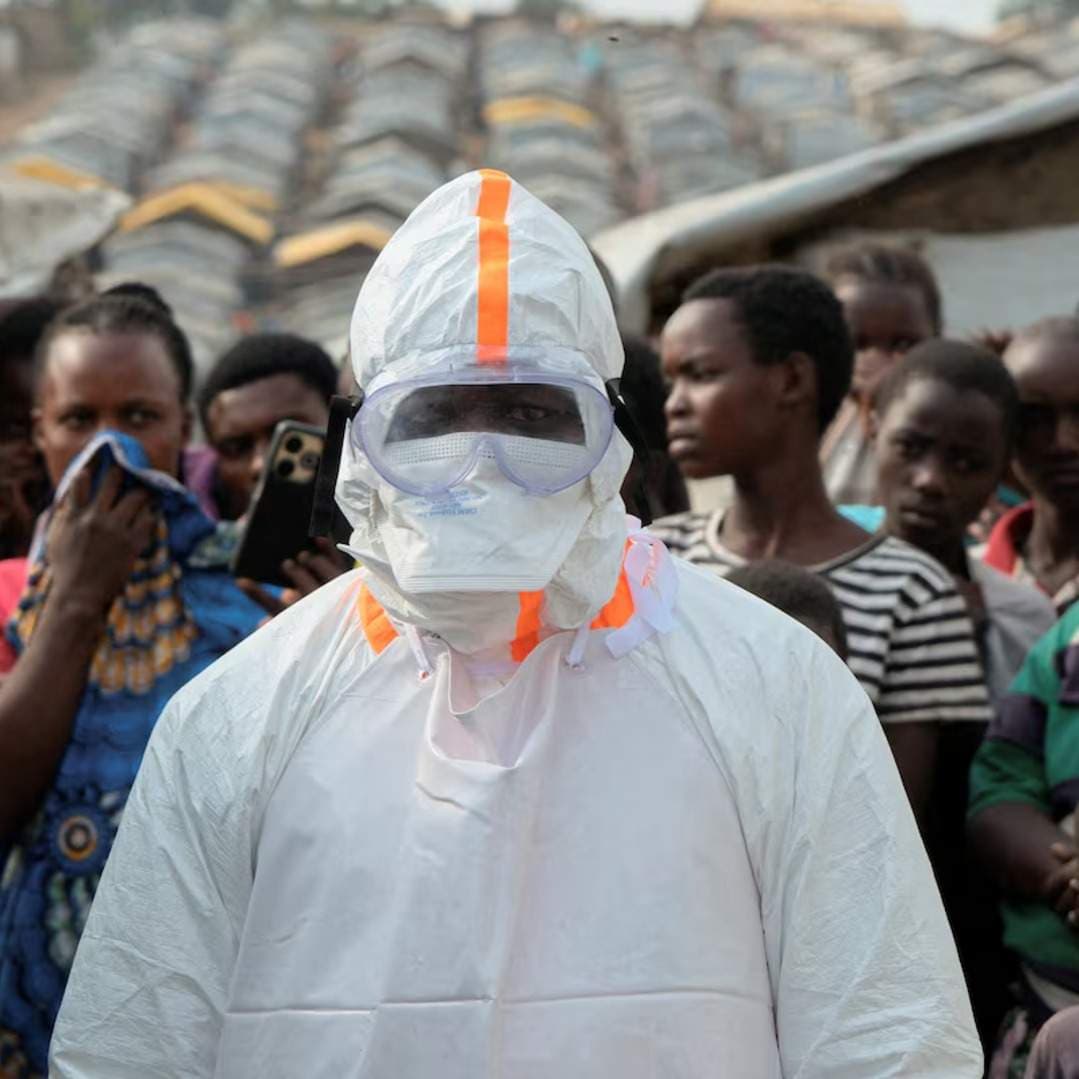
Ebola hasn’t reached Kinshasa yet, but the government isn’t taking chances, and the opposition isn’t buying it.
Mass gatherings have now been banned in Kinshasa and three other provinces as DR Congo tries to stop Ebola from reaching the capital, reports cbinews.tv.
Interior Minister Jacquemain Shabani announced the ban on Saturday after cases in the country’s east jumped by 47, pushing total infections to 1,274 and deaths to 360. So far, the outbreak is confined to Ituri, North Kivu and South Kivu, roughly 1,800 km from Kinshasa. But with 18 million people living in the capital, authorities say they can’t afford to wait.
The ban also covers Tshopo, Haut-Uele and Bas-Uele, which all border the affected provinces. A 21-day quarantine is already in place for travellers coming from Ebola zones to other parts of the country.
Still, not everyone’s convinced it’s just about public health. Opposition figures say the move is political, aimed at shutting down a protest march planned for 8 July. Prince Epenge, spokesperson for the Lamuka coalition, called the decision “not legitimate” and said: “We cannot accept this decision”.
Rodrigue Ramazani, secretary-general of opposition party Envol, went further, urging protesters to ignore the ban. He said the directive “reeks of a political manoeuvre rather than a public health measure”.
The march was organised by the C64 coalition to oppose a proposed law that critics say could let President Felix Tshisekedi stay in power beyond his two-term limit. The government hasn’t responded to the criticism.
Worries about Kinshasa spiked after a doctor who tested positive for Ebola in France had passed through the city. He’d been working at an Ebola treatment centre in one of the outbreak epicentres before flying home.
Ituri remains the worst hit, accounting for more than 90% of infections. Mass gatherings there have been banned for weeks. Neighbouring Uganda has also confirmed cases, 20 infections and two deaths, according to the WHO.
Ebola spreads through contact with infected bodily fluids like blood or vomit. This outbreak is caused by the Bundibugyo strain, which currently has no vaccine. But there’s some hope: the head of Africa CDC told the BBC’s Newsday that trials for new antiviral drugs could start as soon as this week.
Health officials are nervous. Both Africa CDC and US health authorities say this outbreak could become one of the largest ever, because it was spreading for weeks before it was confirmed as Ebola. The WHO also warns that conflict in eastern DR Congo is making the response harder, with the M23 rebel group controlling large parts of North and South Kivu.
#DRCongo #Ebola #Kinshasa #PublicHealth #Ituri #AfricaNews #FelixTshisekedi #WHO #CBINews