

Deadliest Ever: DR Congo Ebola Cases Surpass 7,600
Last update: September 22, 2026
Disclaimer: This website may contain affiliate links, which means we may earn a commission if you click on the link and make a purchase. We only recommend products or services that we personally use and believe will add value to our readers. Your support is appreciated!
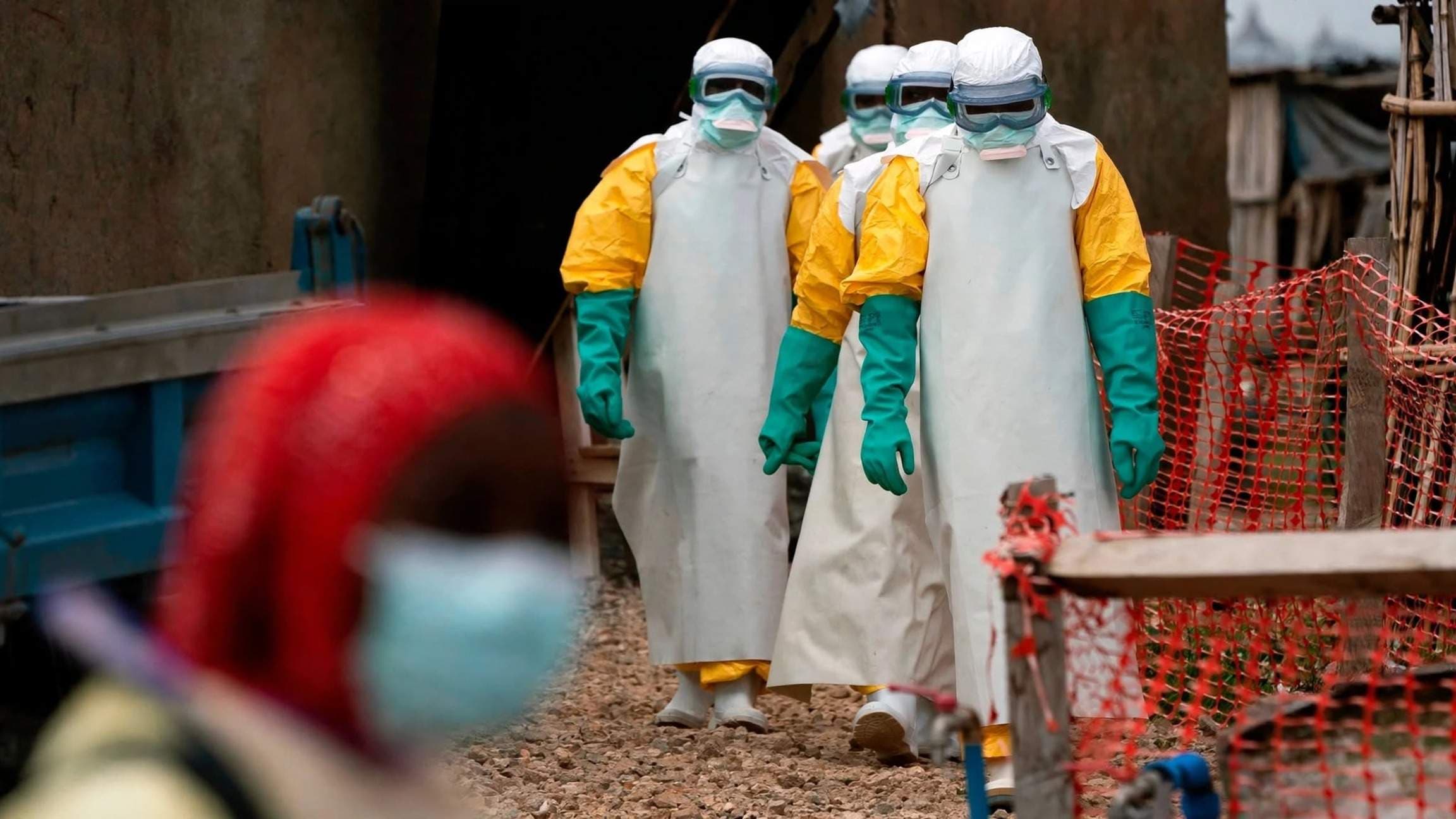
This is not just a number. It’s a national emergency.
Imagine losing nearly one in every two people who get sick. That’s the brutal reality facing families in the eastern Democratic Republic of Congo right now, where an Ebola outbreak declared just four months ago has spiralled into the country’s worst ever.
According to a new report from the country’s National Public Health Institute, released on Monday and reported by cbinews.tv, the numbers are staggering, and they are still climbing.
Let’s break down what we know.
For background, the DRC has lived with Ebola since 1976, when the virus was first discovered near the Ebola River in what was then Zaire. Since then, the country has battled 15 separate outbreaks.
Until now, the worst was the 2018-2020 outbreak in North Kivu and Ituri, which killed 2,280 people and infected 3,470. The outbreak we are seeing now has more than doubled that case count.
Globally, it is now the second-largest Ebola epidemic ever recorded, behind only the devastating 2013-2016 West Africa epidemic that killed over 11,000 people across Guinea, Liberia and Sierra Leone.
What makes the Bundibugyo strain particularly worrying? First identified in 2007 in neighbouring Uganda, it’s rarer but just as deadly. The two vaccines that were game-changers in the last DRC outbreak – Ervebo and Zabdeno/Mvabea – were designed for the Zaire strain and offer little cross-protection here. That leaves doctors fighting with supportive care only.
And it’s all unfolding against what epidemiologists call a “perfect storm” – a complex humanitarian, security and epidemiological backdrop. The eastern DRC has faced decades of armed conflict, which means health teams often cannot access villages, rumours spread faster than health advice, and families flee, carrying the virus with them.
Behind the statistics from cbinews.tv are people. It’s the mother in Bunia who walked 20 kilometres to get her feverish child to a treatment centre. It’s the nurse in Butembo reusing personal protective equipment because supplies haven’t arrived. With 886 people currently isolated from their families in treatment units, the psychological toll is immense. Survivors, too, face stigma when they return home, despite being immune.
Why it matters to all of us?
You might be reading this in Lagos, London or Liverpool and thinking, why should I care? Here’s why: Ebola does not respect borders. With highly mobile populations and refugee movements between DRC, Uganda, South Sudan and Rwanda, a single undetected case can spark a regional crisis.
More importantly, the fact that we still have no licensed vaccine for Bundibugyo after nearly 20 years exposes a huge gap in global pandemic preparedness. We invested heavily after the West Africa outbreak, but that investment was strain-specific.
What is Ebola Bundibugyo?
Ebola is a haemorrhagic fever virus. Early symptoms look like malaria or typhoid – fever, headache, muscle pain, fatigue. Then comes vomiting, diarrhoea, and in severe cases, internal and external bleeding.
The Bundibugyo strain (EBOV-BDBV) is one of six known Ebola species. It has a slightly lower fatality rate historically (around 30-50%) compared to Zaire (60-90%), but as the current 48.2% fatality rate shows, it is still devastating. Because there is no jab, control relies entirely on the old-school public health playbook: early detection, contact tracing, safe burials, and community trust.
What Happens Next?
1. Scale-up of trials: The DRC’s National Public Health Institute says clinical trials for experimental treatments and vaccines are accelerating. Global health partners, including the WHO and MSF, F are pushing for emergency use authorisation.
2. Community-led response: Success will depend less on labs and more on local leaders, religious figures and survivors convincing communities to seek care early and to change burial practices.
3. Security and access: Aid agencies are calling for humanitarian corridors to be secured so that teams can reach all 63 affected health zones.
4. Funding: The response is chronically underfunded. Without urgent international funding, hospital beds, protective kits and contact tracers will run out.
As cbinews.tv continues to monitor the situation, the message from health officials on the ground is clear: this is a marathon, not a sprint, and the world cannot afford to look away.
Source: cbinews.tv
#Ebola #DRCongo #EbolaOutbreak #PublicHealth #GlobalHealth #NorthKivu #Ituri #WHO #AfricaNews #cbinewstv #Bundibugyo #HealthEmergency