


Crocodile Kills Fisherman in Zambia
Last update: February 6, 2026
Disclaimer: This website may contain affiliate links, which means we may earn a commission if you click on the link and make a purchase. We only recommend products or services that we personally use and believe will add value to our readers. Your support is appreciated!
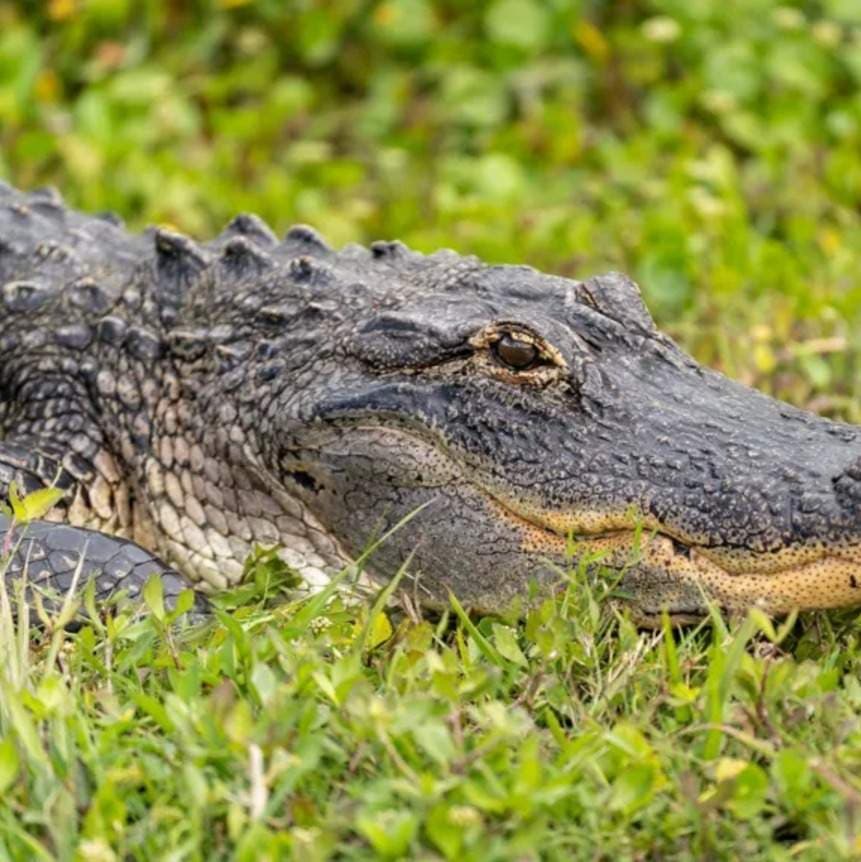
The 52 year old man was attacked as he escaped into a stream near the Luangwa River after encountering a herd of elephants.
A 52 year old fisherman has died after being attacked by a crocodile while fleeing a herd of elephants in eastern Zambia, police have confirmed.
Dean Nyirenda was returning from a fishing trip with two friends on Wednesday when they encountered a group of elephants. The men ran for safety, and Nyirenda jumped into a nearby stream close to the Luangwa River.
Local police chief Robertson Mweemba said Nyirenda was attacked moments later. The crocodile bit his right thigh, causing severe injuries.
Despite the attack, Nyirenda managed to fight off the crocodile by striking it with a stick he was holding. He then dragged himself out of the stream, according to police.
His two companions, who had watched the incident from a distance, rushed to help and carried him away from the riverbank as he bled heavily, state broadcaster ZNBC reported.
Wildlife officers who later visited the scene found deep bite wounds on Nyirenda’s right thigh, which were identified as the cause of death due to excessive blood loss.
CBI News reports that Zambia has a large elephant population, and clashes between people and wildlife have claimed numerous lives in recent years.
The Luangwa River, which runs through South Luangwa National Park, is home to one of the highest concentrations of Nile crocodiles in Africa, conservationists say.
According to Resource Africa, a community based conservation organisation, 26 wildlife related deaths were recorded in Zambia in 2023. Fifteen of those were caused by crocodile attacks, most of them along the Luangwa River.
Zambian authorities have repeatedly urged local communities and tourists to exercise extreme caution in wildlife areas.
Officials say they are considering measures to reduce human and animal conflict, including the construction of protective fencing near high risk zones.