


Court Shields Witness in Alleged Coup Plot Trial
Last update: April 29, 2026
Disclaimer: This website may contain affiliate links, which means we may earn a commission if you click on the link and make a purchase. We only recommend products or services that we personally use and believe will add value to our readers. Your support is appreciated!
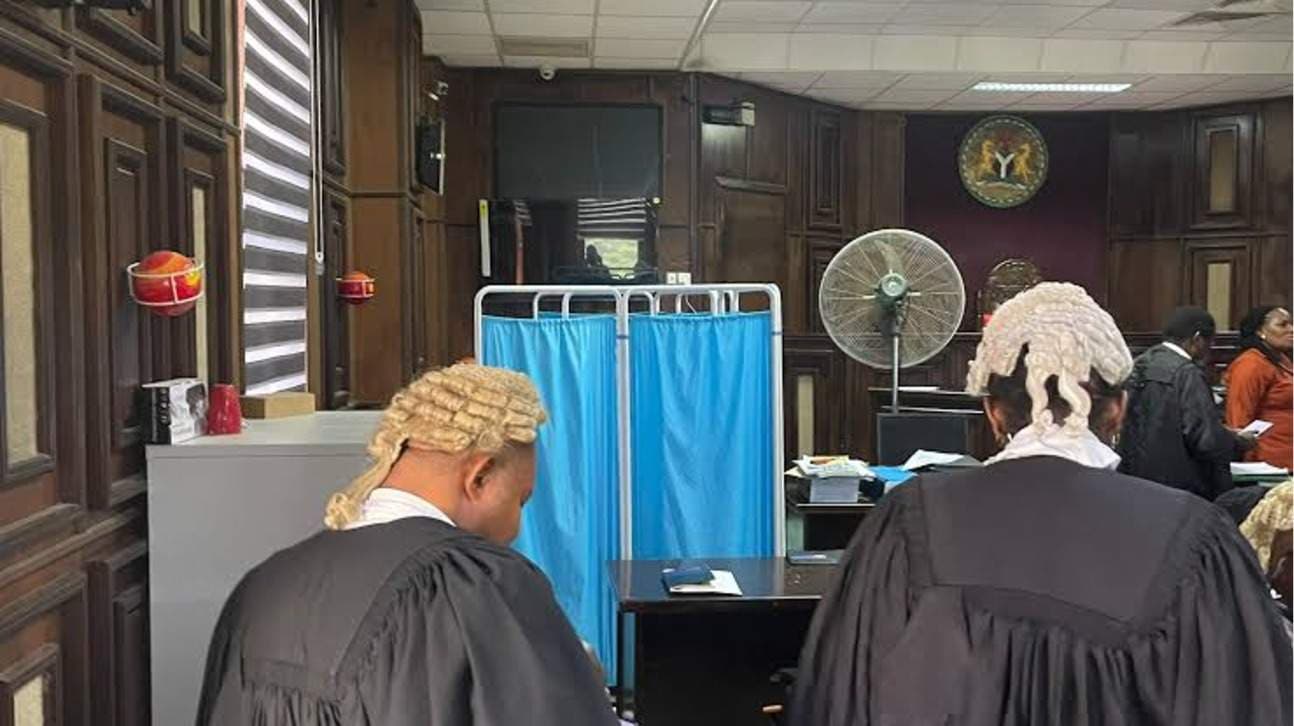
Court allows anonymous testimony in alleged coup plot trial...
The Federal High Court in Abuja has granted the Federal Government’s request to shield a prosecution witness in the ongoing trial of six persons accused of plotting a coup against President Bola Tinubu.
CBI News reports that Justice Joyce Abdulmalik gave the order on Wednesday after the prosecution argued that the witness, said to be a serving officer, could face security risks if exposed during proceedings.
The ruling came as trial commenced following the arraignment of the defendants on April 22 on a 13-count charge bordering on treason, terrorism, failure to disclose information and money laundering.
The defendants include Mohammed Ibrahim Gana, a retired major general; Erasmus Ochegobia Victor, a retired navy captain; Ahmed Ibrahim, a police inspector; Zekeri Umoru, an electrician at the Presidential Villa; Bukar Kashim Goni; and Abdulkadir Sani, a cleric based in Zaria.
They all pleaded not guilty to the charges.
At the resumed hearing, prosecution counsel, Rotimi Oyedepo, informed the court that four witnesses were present and that the Federal Government was ready to open its case.
Three witnesses, identified as officials of Jaiz Bank, SunTrust Bank and Providus Bank, testified and tendered documents said to have been obtained from the Economic and Financial Crimes Commission.
The documents were admitted in evidence and later subjected to cross-examination by defence counsel.
Controversy arose when the fourth witness was called, with the prosecution seeking protective measures to conceal the officer’s identity.
Oyedepo urged the court to shield the witness from public view and prevent disclosure of identifying details, citing security concerns.
He relied on Section 232 of the Administration of Criminal Justice Act, which allows courts to adopt protective measures in cases involving security threats.
While defence lawyers did not oppose protection in principle, they objected to full anonymity, arguing that it could undermine the defendants’ right to a fair hearing.
“Protective measures must not override the constitutional right to fair hearing,” the defence argued, stressing the need for proper identification during cross-examination.
In her ruling, Justice Abdulmalik held that the prosecution had justified its request, particularly in view of the terrorism-related charge.
“The law permits protective measures, including non-disclosure of names, addresses and contact details where the court is satisfied that security concerns exist,” she said.
The judge relied on Section 232(2) of the ACJA and ordered that the witness’s identity be shielded, with no disclosure in court records or proceedings accessible to the parties or the public.
Proceedings Continue Under Tight Measures
Following the ruling, proceedings were briefly adjourned for about 30 minutes to allow court officials to install a protective screen before the witness commenced testimony.
The trial is expected to continue with further evidence from the prosecution.