

CNG Buses to Crash Transport Fares by 50% From October 1 as Tinubu Orders States to Act
Last update: September 19, 2026
Disclaimer: This website may contain affiliate links, which means we may earn a commission if you click on the link and make a purchase. We only recommend products or services that we personally use and believe will add value to our readers. Your support is appreciated!
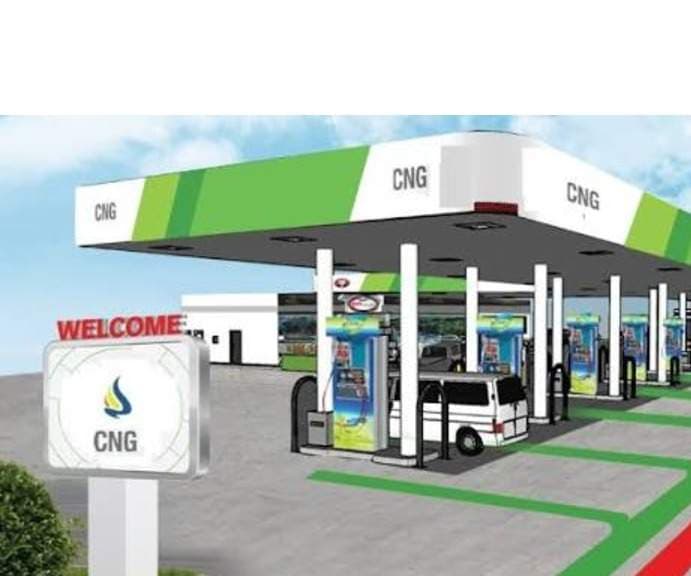
From ₦50 bus rides in Maiduguri to free buses in Kaduna — Tinubu says the era of cheap CNG transport is here, and every state must roll it out before Independence Day. Here is the big one for your wallet.
President Bola Tinubu has told all 36 governors to get serious about cheap transport and make sure Nigerians actually start paying less to move around from October 1, 2026. And this is not just talk. In a statement on Saturday, the President said the deal was sealed with the governors back on August 27, and a special committee is already working on it under the Nigeria Governors' Forum, led by Governor AbdulRahman AbdulRazaq of Kwara State.
So what is the plan? The What, When and How:
The Federal Government is pushing what it calls the National Affordable CNG Transit Programme. Simply put, more buses running on Compressed Natural Gas, which is far cheaper than petrol and diesel. According to cbinews.TV findings, the government says it has spent three years quietly building the system.
Today we have over 120,000 vehicles already converted to CNG, more than 400 certified conversion centres, and over 90 CNG filling stations nationwide - and the numbers are growing daily. President Tinubu said the push is urgent because the global energy crisis is once again pushing petrol prices up worldwide."Disruptions to global energy supplies are once again pressuring petrol and diesel prices. Nigeria cannot control events in global energy markets. But as a gas-rich nation, we can reduce our exposure," he said. Remember the context:
When the subsidy was removed in 2023, transport fares tripled in many cities. Nigeria, which holds Africa's largest proven gas reserves at over 200 trillion cubic feet, has been trying since then to switch commercial transport to gas. The Presidential CNG Initiative (Pi-CNG) was launched in late 2023 as the vehicle for that.
The Where - It's Already Working. This is not a projection, the President insisted. Here is what is already happening on the ground: In Borno, your correspondent, Garba Mohammed, will know this. CNG and electric buses are carrying people for just ₦50 to ₦100 on routes where danfo charges ₦300 to ₦600. In Kaduna: 100 CNG buses offer FREE rides on major routes. In their first year alone, they moved 3.2 million passengers and saved commuters over ₦3.5 billion. In Oyo: The Lagos-Ibadan fare with Pacesetter Transport dropped from about ₦8,000 to ₦3,200. In Enugu: 100 CNG buses cut Enugu-Nsukka fares from ₦2,500 to ₦1,500. In Plateau: Government buses move 13,000 people daily at ₦200 instead of the commercial rate of over ₦500.In Adamawa: Fares slashed by 50% from ₦8,000 to ₦4,000. In Niger: Suleja-Abuja now ₦550 instead of ₦800.In Abia: 40 electric buses with 50% fare subsidy. In Abuja: Through a partnership with the NURTW, CNG danfos are charging less. Area 1-Gwagwalada is down from ₦1,500 to ₦900, Nyanya from ₦700 to ₦420, and Wuse from ₦400 to ₦240.
The Human Angle: Why It Matters.
For Mama Nkechi, who sells tomatoes in Jos and spends ₦1,000 daily to get to market, this is the difference between profit and loss. For a student in Kaduna, it is the difference between getting to school and staying home. Transport is the second biggest expense for most Nigerian families after food. When fares go up, everything else goes up. Cutting fares by 40-60% puts money directly back in people's pockets.
Explainer: What is CNG Anyway? Think of CNG as a cleaner, cheaper cousin of petrol. It is natural gas compressed to less than 1% of its volume. Nigeria has it in abundance; it burns cleaner, and one cubic metre does the same work as about a litre of petrol but at roughly half the price. A vehicle needs a small conversion kit to run on it. Next Steps:
What to Watch. President Tinubu has told the states to stop waiting. He wants them to work with NURTW and private operators, support conversion, bring in investors, and most importantly, "ensure that savings from cheaper energy reach Nigerian citizens through lower fares."The committee under Governor AbdulRazaq is now mapping out priority corridors in each state. The deadline is clear: Nigerians should feel the difference from October 1, 2026 - our Independence Day.
The question now is: will your state deliver? Will the buses actually show up on your route? cbinews.tv will be monitoring the roll-out state by state. Stay with us.
As reported by cbinews.tv
#CNG #Tinubu #TransportFares #NigeriaNews #CostOfLiving #PresidentialCNGInitiative #NGF #CBINews #BreakingNews #October1