

China Grants Tariff-Free Access to 53 African Nations, Excludes Eswatini Over Taiwan Ties
Last update: May 2, 2026
Disclaimer: This website may contain affiliate links, which means we may earn a commission if you click on the link and make a purchase. We only recommend products or services that we personally use and believe will add value to our readers. Your support is appreciated!
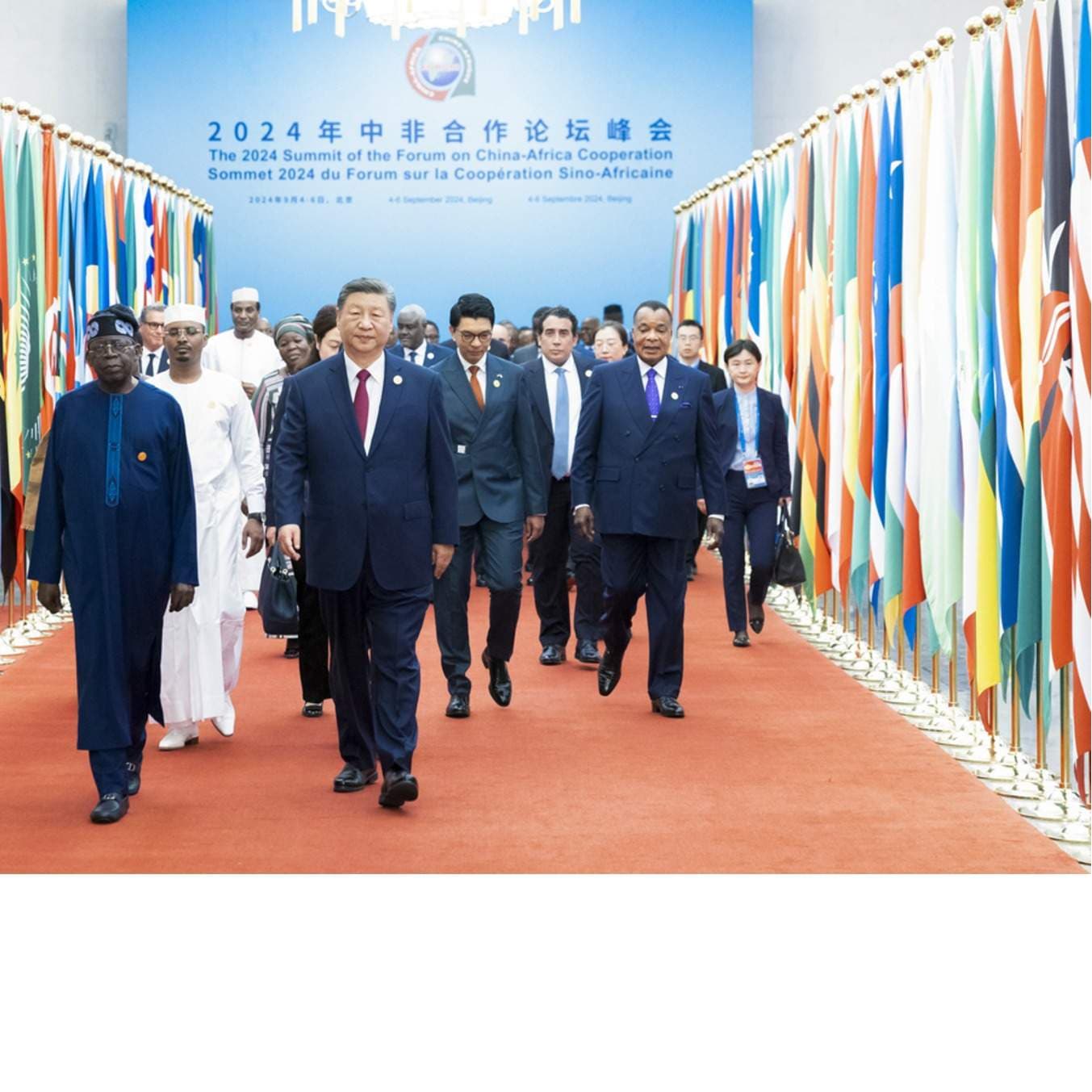
In a bold economic move reshaping global trade alliances, China has opened its markets to nearly all African nations — but one country has been left out, and the reason is deeply political.
CBI News notes that China has officially rolled out a sweeping tariff-free trade policy covering 53 of Africa’s 54 countries, offering duty-free access to its massive market for the next two years. The only exception is Eswatini, which maintains diplomatic relations with Taiwan.
The policy benefits Africa’s largest economies, including Nigeria, South Africa, Egypt, Algeria, and Kenya. Combined with previous concessions to 33 smaller economies, the move now extends tariff-free treatment across almost the entire continent.
According to China’s Customs Tariff Commission, the initiative is aimed at boosting shared economic growth. State media outlet Xinhua News Agency reported that the first shipment under the policy — 24 metric tons of apples from South Africa — successfully cleared customs in Shenzhen.
The zero-tariff scheme is expected to significantly benefit African exports such as cocoa from Ivory Coast and Ghana, coffee and avocados from Kenya, and citrus fruits and wine from South Africa — products that previously faced tariffs ranging from 8% to 30%.
This development comes as United States, under Donald Trump, continues to push protectionist trade policies, including new import tariffs that have prompted several African nations to seek alternative markets.
China, already Africa’s largest trading partner, recorded a trade volume of $348 billion with the continent in 2025. However, the relationship remains imbalanced, with Chinese exports significantly outpacing imports from Africa — widening the trade deficit.
Experts like Thierry Pairault suggest the move is as much strategic as economic, positioning China as a counterforce to Western protectionism while strengthening its influence across Africa.
While the tariff-free access may boost agricultural exports, analysts note that many of Africa’s key raw materials — such as oil and minerals — already entered China duty-free, raising questions about the broader impact of the policy.
#ChinaAfricaTrade #GlobalEconomy #TariffFree #AfricaExports #Eswatini #Taiwan #USChinaRelations #TradeWar #NigeriaEconomy #SouthAfrica #EconomicPolicy #BreakingNews #WorldTrade