


Ceasefire is Over: Iran says Strikes will Continue
Last update: July 23, 2026
Disclaimer: This website may contain affiliate links, which means we may earn a commission if you click on the link and make a purchase. We only recommend products or services that we personally use and believe will add value to our readers. Your support is appreciated!
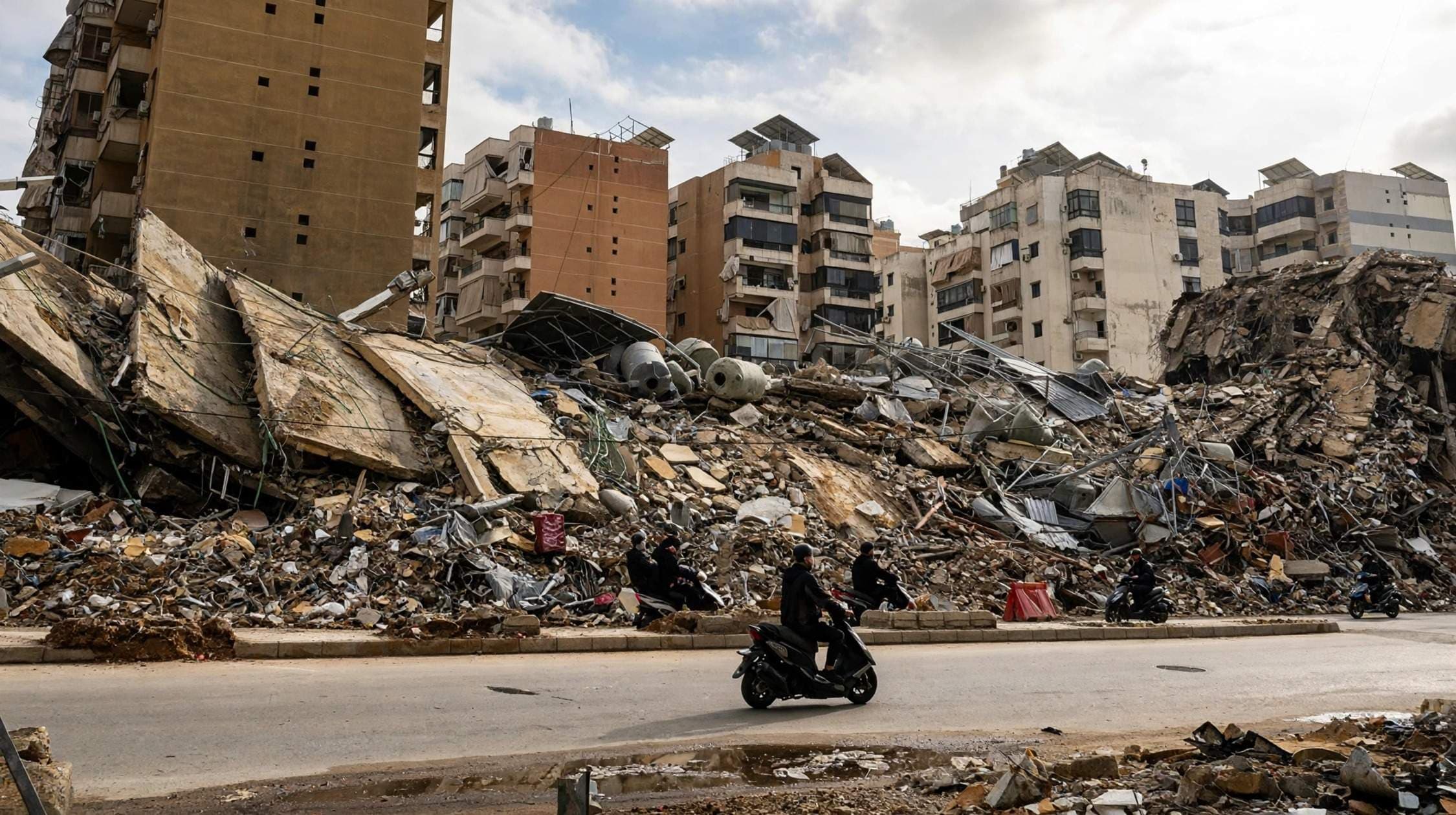
Just weeks after a ceasefire, the Middle East is back on a knife-edge - Iran says it won't stop, the Houthis are now targeting Saudi ships, and oil prices are soaring again.
So, it’s all kicking off again in the Middle East, and it’s getting messy fast.
According to cbinews.tv, Iran has vowed to keep striking across the region for as long as it remains under attack. The fragile ceasefire that only lasted a few weeks? That’s officially over, and the fallout is already being felt from the Strait of Hormuz to the Red Sea.
The big new twist is that Tehran’s allies, the Houthis, have properly entered the fray. They’ve claimed responsibility for missile and drone strikes on two Saudi oil tankers - the Encelia and the Layla - after announcing a full blockade of Saudi ports.
British maritime monitor UKMTO said the master of a tanker reported being hit by an unknown projectile about 70 nautical miles southwest of Al Shuqaiq, sparking a fire onboard. Saudi Arabia has since confirmed the Encelia was struck. How effective a Houthi blockade would actually be is still unclear, but it’s a major headache for Riyadh, especially when it’s trying to bypass Hormuz to keep oil exports flowing.
And Hormuz itself? That’s where the real power struggle is happening. Iran’s Revolutionary Guards say they’ve stopped three oil tankers from transiting the Strait - the vital waterway that used to carry around a fifth of the world’s oil. Their message was blunt: “The Strait of Hormuz is under our control… and any ship that is deceived by the US and intends to pass without coordination with the Islamic Republic of Iran will suffer the same fate.”
Unsurprisingly, energy markets are in chaos again. On Thursday, Brent crude was up 4% to $97.80 a barrel, fuelling fresh fears of soaring prices at the pumps.
This all comes after 12 consecutive nights of US strikes on Iranian military targets. US Central Command says it’s trying to “further degrade Iran’s ability to threaten civilian mariners and commercial vessels.”
President Donald Trump upped the ante on Wednesday, warning on social media that: “Any time the Islamic Republic of Iran shoots at a ship in the Strait of Hormuz, whether it be by Missile, Rocket, Drone, or any other device or weapon, the United States will bomb and destroy ONE BRIDGE OR POWER PLANT.”
Iran’s not backing down either. Foreign Minister Abbas Araghchi hit back with: “Our defence doctrine is clear: eye for an eye.” Meanwhile, army spokesperson Mohammad Akraminia told state TV: “The armed forces’ retaliatory attacks will continue as long as the US attacks on the country’s infrastructure and coastal areas continue.”
Iranian state media is reporting that a US attack killed two people at Shalamcheh on the border with Iraq, and that two US missiles hit Bushehr - home to Iran’s only civilian nuclear plant.
Elsewhere, the ripple effects are spreading. Jordan and Kuwait both say they’ve intercepted strikes, with Iran claiming to be targeting US assets there.
In Manila, US Secretary of State Marco Rubio said the Houthis had been “suckered” into the conflict by Iran, adding: “The Houthis largely were smart and stayed out of all this throughout the conflict, but they now apparently have got themselves suckered into this... I hope they will de-escalate.”
Oman, which has long tried to mediate between the Houthis and Saudi Arabia, says it’s working to get talks back on track and has voiced “great concern” over the Red Sea situation.
Credit: cbinews.tv
#MiddleEast #Iran #Houthis #StraitOfHormuz #WorldNews #BreakingNews #Geopolitics #OilPrices #SaudiArabia #USIranTensions #cbinewstv