

CBN Revokes 46 Microfinance Bank Licences
Last update: July 1, 2026
Disclaimer: This website may contain affiliate links, which means we may earn a commission if you click on the link and make a purchase. We only recommend products or services that we personally use and believe will add value to our readers. Your support is appreciated!
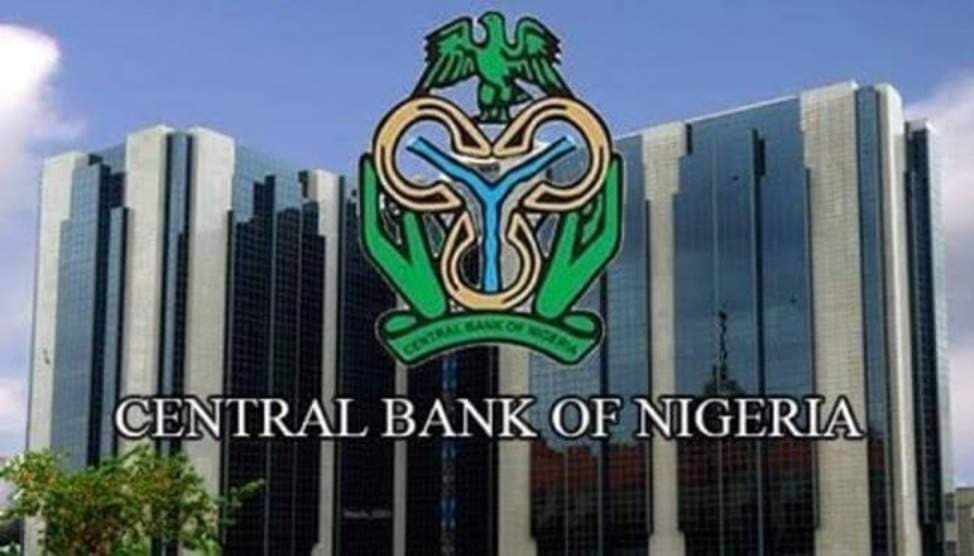
If you bank with a microfinance bank in Nigeria, you might want to check this list — the CBN just pulled the plug on 46 of them in one go.
So, the Central Bank of Nigeria has just wielded the big axe. As of 1 July 2026, the CBN officially revoked the licences of 46 microfinance banks across the country. And no, this wasn’t a small shake-up.
Why the crackdown? According to a press statement signed by Acting Director of Corporate Communications, Mrs Hakama Sidi-Ali, these banks were caught breaking the rules. We’re talking inadequate capital, insolvency, some weren’t even operating, and others never started business after getting their licence. Basically, if you weren’t financially sound or actually serving customers, the CBN is done with you.
The move got the green light from CBN Governor Olayemi Cardoso, using powers under Sections 12 and 13 of the Banks and Other Financial Institutions Act, 2020. The message is clear: if you can’t meet the minimum standards, you’re out.
Where did it hit hardest?
Kano tops the list with the most affected banks — think Bompai MFB, Now Now Digital MFB, Minjibir MFB, Sycamore MFB, Kanopoly MFB, Bellbank MFB and Esteem MFB, among others. Lagos wasn’t spared either, with names like Gold MFB, Chanelle MFB, Safegate MFB, Supreme MFB, Creditville MFB, MBAG MFB, Verdant MFB and Entrepreneur MFB losing their licences.
Other states on the list include Abia, Kebbi, Niger, Ogun, Kaduna, Plateau, Rivers, Bayelsa, Benue, Cross River, Delta, Ondo, Osun, Oyo, Anambra, and the FCT. Some of the other banks affected are Merchant MFB, Abia SME MFB, Kamba MFB, Zuru MFB, Apple MFB, Iwade MFB, Busu MFB, Bejin-Doko MFB, Casha MFB, Winview MFB and Avantus MFB.
What exactly did the CBN say?
The CBN made it plain: these 46 microfinance banks failed to satisfy the basic conditions needed to keep their licences. The infractions ranged from not having enough assets to cover liabilities, shutting down without approval, being inactive, failing to start operations within 12 months of getting a licence, and not maintaining the required minimum capital.
In short, a lot of these institutions were either broke or weren’t doing what microfinance banks are meant to do — help small businesses and underserved Nigerians access financial services.
Why should you care?
The CBN says this is all part of keeping Nigeria’s financial system safe and sound. By kicking out weak players, they’re trying to protect depositors and make sure only compliant banks are left standing. As they put it, they’re committed to a “safe, sound and resilient financial system” and will keep taking action to maintain public confidence.
The bigger picture
Microfinance banks are crucial for low-income households and microenterprises. But when they fail to meet standards, they put people’s money at risk. That’s why finance experts have been pushing the CBN to force all deposit-taking fintechs and MFBs to publish their annual reports. If you’re holding public funds, the argument goes, you should be transparent about it.
So yes, it’s a major clean-up. The CBN is sending a message: follow the rules or lose your licence.
#CBNCrackdown #MicrofinanceBanks #NigeriaBanking #FinancialNews #OlayemiCardoso #NigerianEconomy #CBN #BankingRegulation #NaijaBusiness #CbiNewsTv