


Cape Verde's Neves Confirms bid for Second Term as President
Last update: September 15, 2026
Disclaimer: This website may contain affiliate links, which means we may earn a commission if you click on the link and make a purchase. We only recommend products or services that we personally use and believe will add value to our readers. Your support is appreciated!
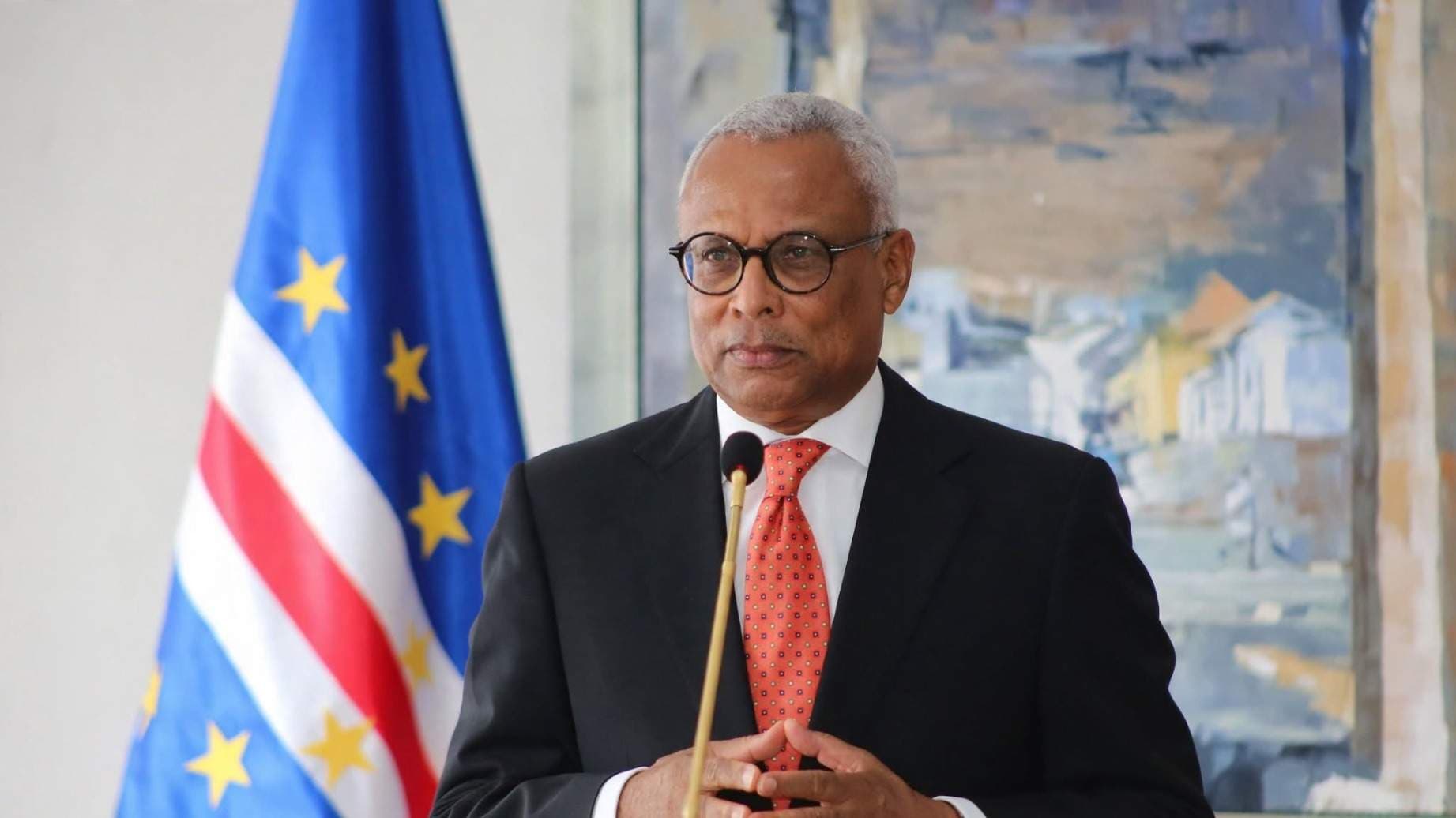
At 66, the man who ran Cape Verde's government for 15 years says he's not done yet. And in a region rocked by coups, his quiet re-election bid might be Africa's most important vote you haven't heard about.
As first reported by cbinews.tv, Cape Verde President José Maria Neves will stand for a second five-year term in the country's presidential election on 15 November.
In his own words, Neves said:
"I will run for a new five-year term to put the experience I have gained at the service of the future, to champion causes I have pursued and which cannot be circumscribed to one sole election cycle and to build a victorious and prosperous nation."
Nine other hopefuls have already declared their intention to run, but they have until Wednesday to submit their dossiers to the Constitutional Court.
Neves isn't your typical strongman incumbent. The former leader of the African Party for the Independence of Cape Verde (PAICV), he styled himself in 2021 as a president "who unites, protects and cares" — a soft-spoken technocrat who received his victory with "great humility," as he told supporters.
For many Cape Verdeans, especially older voters who remember one-party rule, he represents continuity and calm. For younger voters — and that matters hugely in a country where 30% of the population is under 15 — he represents a test: can the old guard actually fix youth unemployment?
He is now asking for the PAICV's backing again, but also for support beyond party lines. That's because of Cape Verde's quirky rule: candidates are put forward by civil society figures, parties can support them, but the president cannot belong to a party once elected.
Let's put this archipelago of just 520,000 people in perspective.
Cape Verde was a Portuguese colony until 1975, then lived under 15 years of single-party Marxist rule. In 1990, it became one of the first African nations to embrace multiparty democracy, holding its first free elections in 1991.
Since then, it has been that rare thing: a boringly peaceful democracy. Governments of left and right have swapped power seamlessly with no electoral violence, despite two tricky five-year periods of cohabitation where the president and prime minister came from rival parties.
While neighbours in mainland West Africa have seen eight coups since 2020, Cape Verde is consistently ranked as Africa's most democratic nation and one of the least corrupt.
But the postcard hides pressure. The economy is hugely dependent on tourism, remittances from its vast diaspora — there are more Cape Verdeans living in Boston and Lisbon than at home — and imports. Poverty remains stubborn and youth unemployment hovers above 25%, driving many young Kriolu speakers to seek futures abroad.
That is the central tension of this election.
How Does Cape Verde Elect a President?
It's a semi-presidential system. Think Portugal or France, not the US.
1. A Civic Nomination: You aren't nominated by a party machine. You need backing from civil society electors.
2. Two-Round Vote: If no one gets over 50% in the first round, it goes to a run-off.
3. A Referee, not a Ruler: The president is head of state — the guarantor of the constitution, diplomacy, and stability — while the prime minister runs the day-to-day government. When they are from different parties, you get "cohabitation".
The Constitutional Court will confirm the final list of candidates after Wednesday's deadline.
17 May and 15 November: Cape Verdeans actually vote twice this year — legislative elections are set for 17 May, followed by the presidential poll on 15 November. The May result will shape Neves's chances.
The Big Question: Can Neves convince a frustrated younger generation that experience is what Cape Verde needs, or will voters look for a fresh face to tackle jobs and cost-of-living?
Either way, as cbinews.tv notes, this tiny island nation will once again offer a masterclass in how to do elections without chaos — something the rest of the region will be watching closely.
#CapeVerde #JoseMariaNeves #CaboVerde #AfricanPolitics #Election2026 #DemocracyInAfrica #Praia #PAICV #WestAfrica #CBInewsTV