

Burundi’s Ndayishimiye Named Ruling Party Candidate for 2027 Election
Last update: April 27, 2026
Disclaimer: This website may contain affiliate links, which means we may earn a commission if you click on the link and make a purchase. We only recommend products or services that we personally use and believe will add value to our readers. Your support is appreciated!
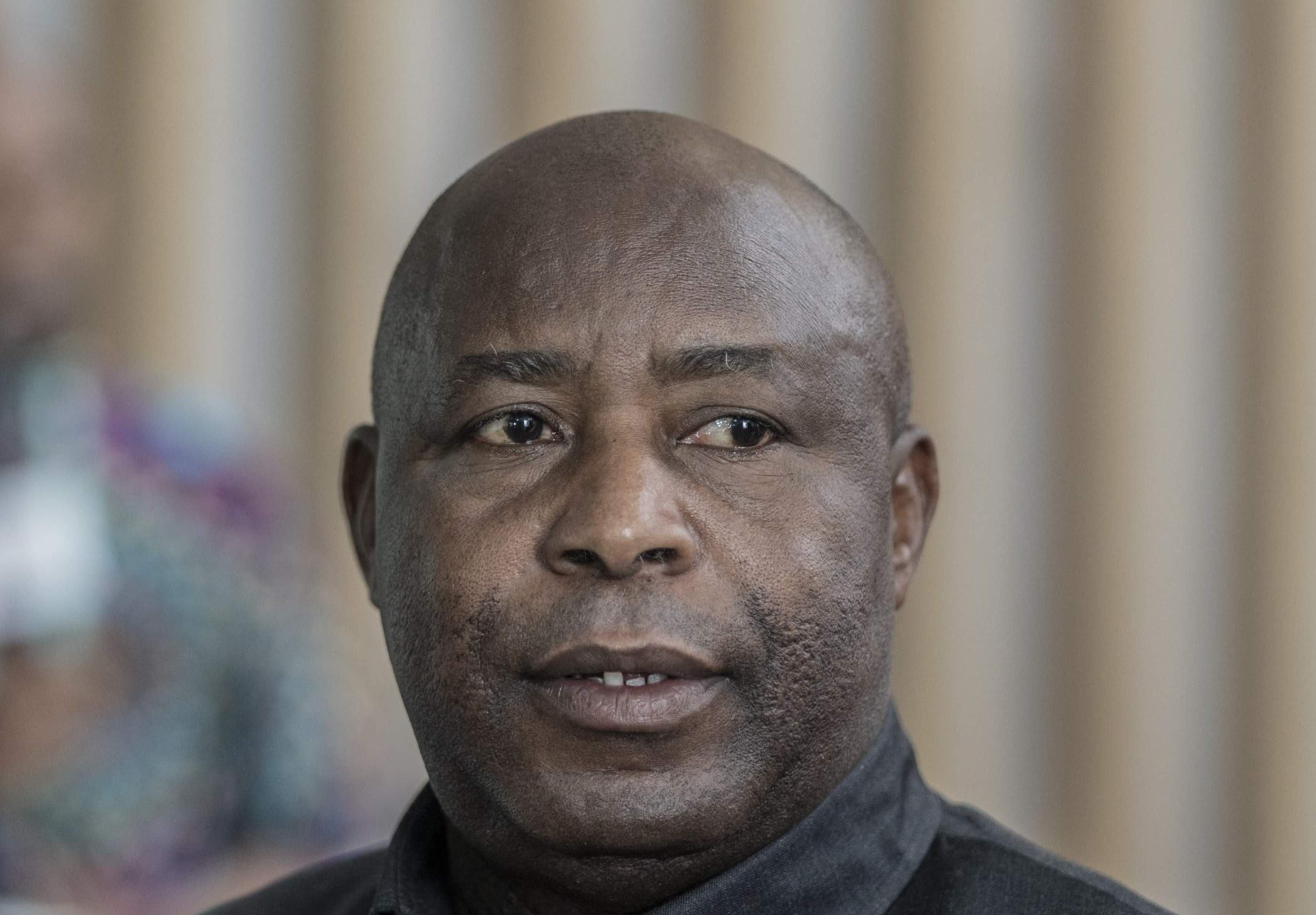
Burundi’s president secures ruling party backing for re-election bid amid opposition criticism and ongoing human rights concerns.
Burundian President Évariste Ndayishimiye has been selected as the ruling party’s candidate for the country’s next presidential election, positioning him as the frontrunner in a vote expected in 2027.
The announcement was made by the governing CNDD-FDD, which confirmed Ndayishimiye as its choice for a new seven-year mandate. While no official election date has been set, the endorsement effectively kickstarts the political race in the landlocked East African nation.
Ndayishimiye, 57, has been in office since 2020, when he succeeded longtime leader Pierre Nkurunziza following his death. A former general and senior figure within the ruling party, he remains widely seen as the favourite heading into the polls.
In a message posted online, the president thanked party members for their confidence and pledged continuity. “I will continue the work we are doing, with all of you, so that all Burundi benefits in peace,” he said.
However, opposition voices have cast doubt on the credibility of the upcoming election. Epitace Nshimirimana, a spokesperson for the Movement for Solidarity and Development (MSD), argued that the vote is unlikely to meet international standards, citing economic hardship and governance concerns.
Critics accuse the government of failing to address persistent shortages of fuel, foreign currency and basic goods, while warning that extending the current administration’s tenure could deepen economic strain.
Since taking office, Ndayishimiye has attempted to balance reform with continuity, at times signalling openness while maintaining tight political control. International organisations, including the United Nations, have continued to raise concerns over human rights violations in the country.
CBI News notes that Burundi, home to around 15 million people, remains one of the world’s poorest nations and is still grappling with the legacy of its 2015 political crisis. That period, triggered by Nkurunziza’s controversial third-term bid, saw widespread protests and a violent crackdown marked by killings, arrests and displacement.
Ndayishimiye currently also serves as chair of the African Union, a role he assumed earlier this year, adding a regional dimension to his leadership as he prepares for another electoral contest at home.