

Burnham in Berlin: UK and Germany Sign Major Defence Pact
Last update: October 8, 2026
Disclaimer: This website may contain affiliate links, which means we may earn a commission if you click on the link and make a purchase. We only recommend products or services that we personally use and believe will add value to our readers. Your support is appreciated!
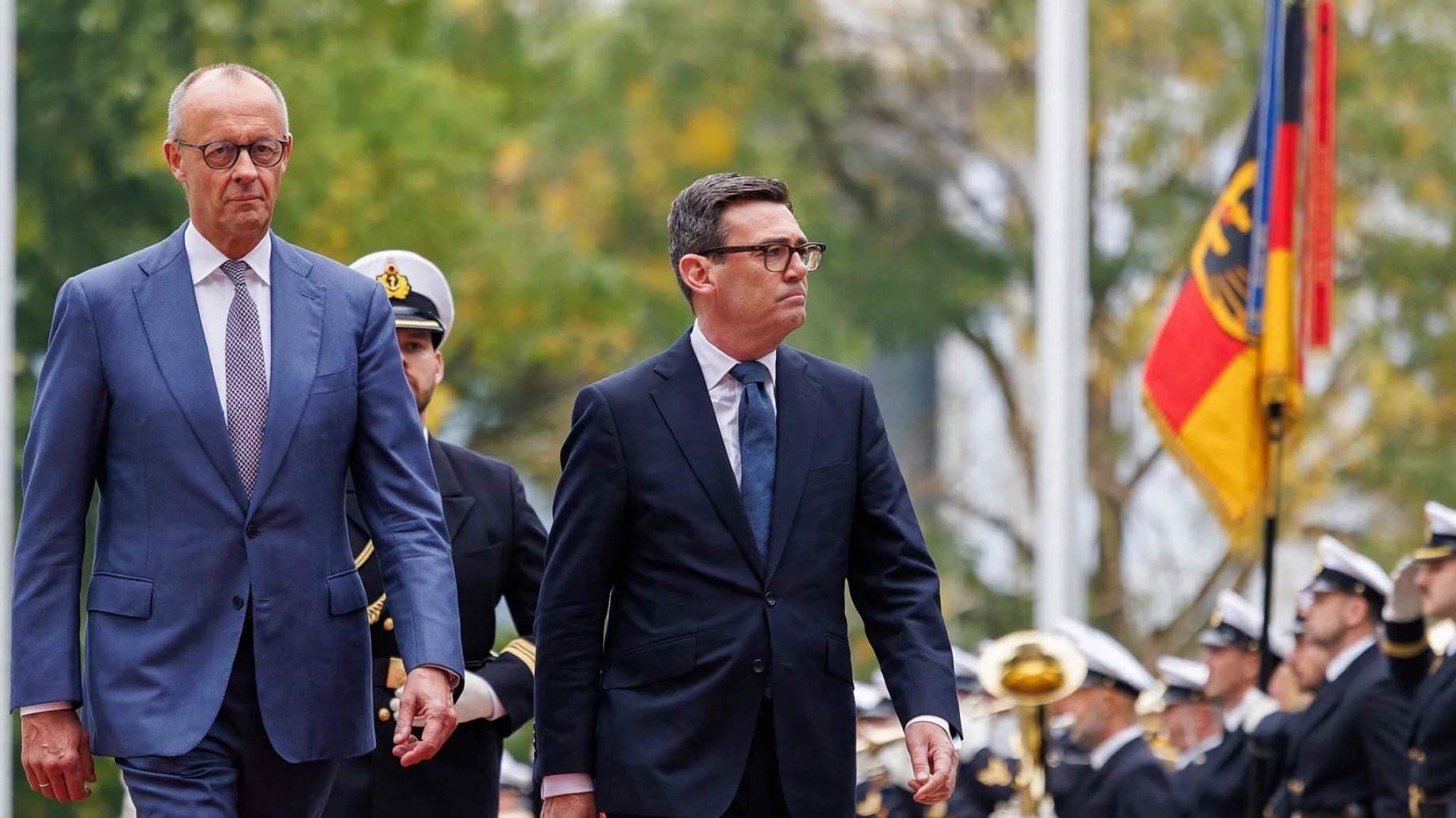
Forget the old stiff handshake and awkward photo-op. In Berlin on Thursday, Britain and Germany basically looked at the growing mess of drones over airports, cyber-attacks on hospitals and sabotage of undersea cables and said: we’re not dealing with this alone anymore.
Prime Minister Andy Burnham, on his first big European trip since taking the top job, got the full military honours treatment – and used it to announce that the UK and Germany will face threats together.
As cbinews.tv understands, the package includes:
* Full ratification of the Kensington Treaty – a 2025 agreement committing both countries to jointly find, expose and disrupt hostile activity.
* A push to bring Germany into GCAP – the Global Combat Air Programme, the £30bn+ sixth-generation fighter jet project currently led by the UK, Italy and Japan. If it happens, it would be the biggest European combat air merger in decades.
* New joint programmes on quantum technology and space, two areas where both intelligence agencies are seeing intense Russian and Chinese interest.
Burnham also floated hosting a historic joint meeting of the UK and German cabinets next year.
This isn’t happening in a vacuum.
Hybrid warfare – that nasty grey zone between peace and war – has exploded since Russia’s full-scale invasion of Ukraine in 2022. We’re talking cyber-attacks, sabotage, misinformation, and now drones.
Former UK National Security Adviser Sir Mark Lyall Grant put it bluntly on Radio 4’s Today programme, calling it a “grey zone” where Russia has been “extremely active for some time.” He noted the threat has been constant since Vladimir Putin came to power in 2001 but has intensified sharply in response to European support for Ukraine.
The data backs him up. European intelligence agencies recorded over 800 suspected Russian-linked hybrid incidents across the continent in 2024, up from just over 200 in 2021, according to EU security briefings.
The most recent flashpoint? Last month Germany accused Russia of launching a drone fitted with explosives at Leipzig/Halle Airport – a major freight hub that’s been crucial for getting aid into Ukraine. Moscow denies it, but Britain summoned a senior Russian diplomat over what it called an “egregious and reckless attack,” and the EU’s foreign affairs chief summoned Russia’s envoy in Brussels too.
Sir Mark also flagged something chilling that will have been top of the Berlin agenda: “We know Russia has been mapping undersea cables in the North Sea; that’s something I’m sure Andy Burnham will be talking to Chancellor Merz about because it affects both the UK and Germany.” Around 99% of our international data runs through those cables.
This isn’t just about fighter jets and spy chiefs – although, awkwardly, it is also about that. The talks come just days after Germany’s former spy chief was arrested on suspicion of espionage, raising fresh questions about Berlin’s reliability as an intelligence partner.
For ordinary people, hybrid attacks are the reason your GP surgery’s IT system goes down, why your flight is suddenly delayed due to a drone scare, or why your energy bill spiked after sabotage fears. Burnham tried to connect those dots, saying the treaty would not only “improve our security here in Europe” but also help “grow the economy and living standards.” Security, in other words, is about the cost of living too.
Why It Matters – and the Brexit Twist
The timing is political dynamite.
Both leaders are wobbling at home. Burnham only took over from Keir Starmer in July after Starmer was forced out by his own MPs just two years after a landslide win. Merz, meanwhile, has been dogged by rumours of a party coup over poor approval ratings and bruising regional election losses.
So, a big, statesmanlike defence deal in Berlin helps both men look like serious players on the world stage.
And then there’s Europe. On the eve of a major UK-EU summit next month, French finance minister Roland Lescure invited Britain to “come all the way” back to the EU in an interview with the BBC’s Faisal Islam. Burnham echoed that mood, saying he was “very committed to securing deeper cooperation” and to “see if we can bring the UK closer to Europe,” linking it to growth and tackling irregular migration. He’s even mentioned the prospect of eventually rejoining.
A German government spokesman was more cautious, saying any future in-out referendum would be primarily a question for Britain, but that Berlin supports stronger ties.
It’s a huge shift from the frosty post-Brexit years. The Kensington Treaty was originally signed under the last government in 2025 as a post-Brexit security bridge – now Burnham wants to turn that bridge into a motorway.
What is Hybrid Warfare?
Think of it as war without declaring war. Instead of tanks crossing a border, a hostile state uses a mix of tools to destabilise you:
* Cyber-attacks on hospitals, ports and power grids
* Sabotage of infrastructure like undersea cables or railways
* Drone incursions over airports and military bases
* Misinformation campaigns to sow division online
It’s deniable, cheap, and hard to respond to – which is exactly why Russia is accused of leaning on it so heavily right now.
What Happens Next?
1. Treaty in action: Joint UK-German units will start intelligence-sharing and disruption operations under the Kensington Treaty framework in the coming months.
2. GCAP decision: The UK government will now formally “seek to progress” Germany joining the fighter jet programme – expect tough negotiations with Italy and Japan, who may worry about delays and workshare.
3. Joint Cabinet: If Burnham gets his way, we could see the first ever joint UK-German cabinet meeting in London next year.
4. UK-EU Summit: All eyes now turn to next month’s summit. Will Burnham’s Berlin love-in give him leverage to negotiate a closer security and trade relationship with the EU?
As cbinews.tv reported first, this is more than a handshake – it’s Britain trying to re-anchor itself in Europe while Europe tries to defend itself from an increasingly aggressive Russia.
One thing’s for sure: the old idea that Britain could go it alone on defence feels very 2020.
#UKGermany #BurnhamInBerlin #KensingtonTreaty #GCAP #HybridWarfare #UKPolitics # Germany #FriedrichMerz #AndyBurnham #EuropeanSecurity #cbiNews