

Boycott Call Rocks Guinea-Bissau Referendum
Last update: August 21, 2026
Disclaimer: This website may contain affiliate links, which means we may earn a commission if you click on the link and make a purchase. We only recommend products or services that we personally use and believe will add value to our readers. Your support is appreciated!
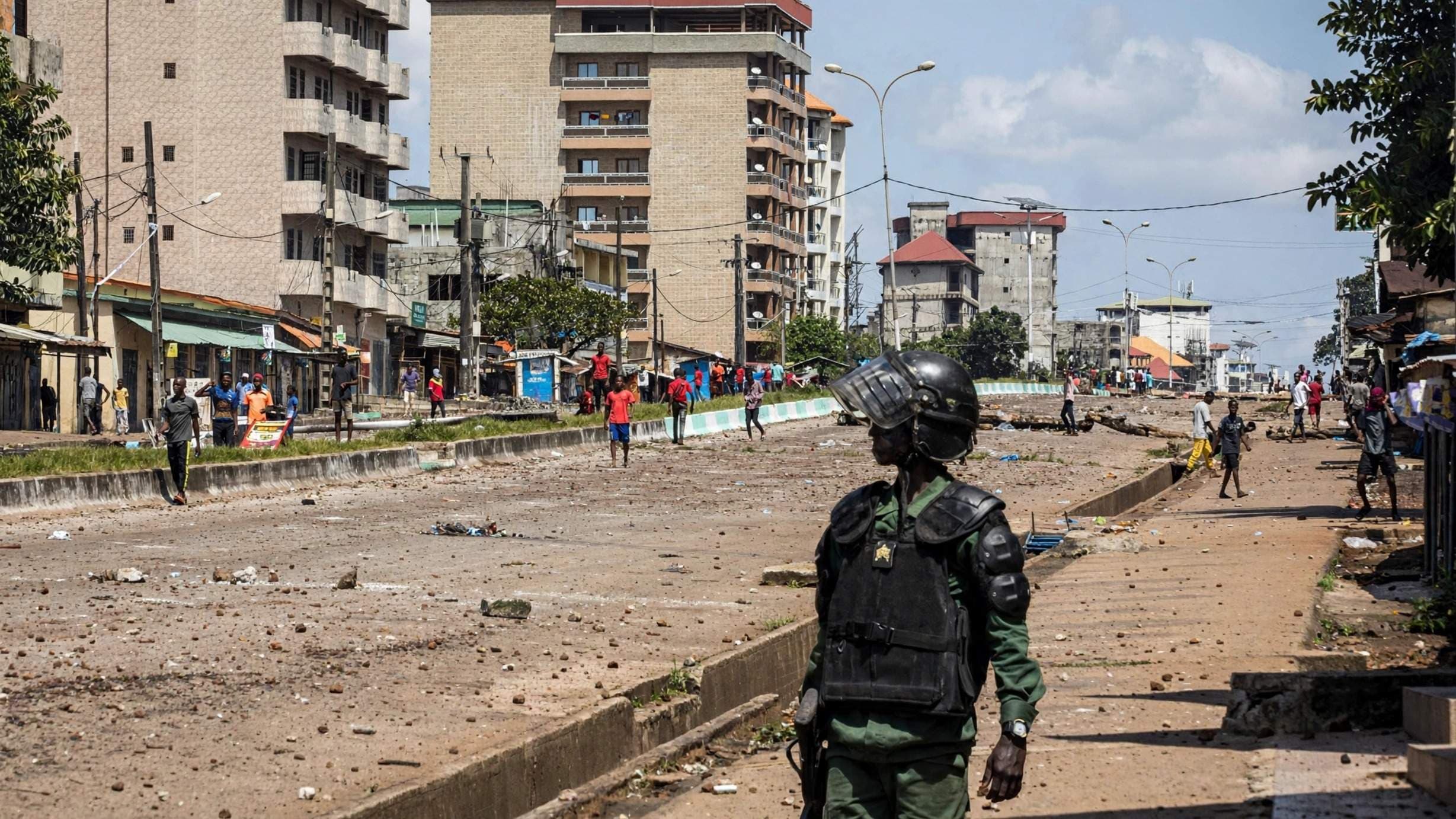
So much for a quick return to democracy — Guinea-Bissau is heading for a showdown at the ballot box, and the main opposition says don't bother showing up.
Guinea-Bissau’s historic opposition party, the PAIGC, is urging voters to boycott the country’s constitutional referendum slated for 30 August.
Why does it matter? That vote will decide whether a brand-new Constitution — already waved through by the army-backed National Transitional Council — actually becomes law.
Here’s the background you need:
The tiny West African nation, home to just under 2.1 million people, has never quite shaken its reputation as the continent’s coup capital. Since winning independence from Portugal in 1974, it has seen at least 10 coups or attempted coups. The latest came in November 2025, when the army seized power just days after a presidential election, toppled the head of state and suspended the entire electoral process.
The junta, led by Transitional President General Horta N'Tam, says it has a roadmap: first a referendum on 30 August, then general elections to restore civilian rule on 6 December 2026. The referendum, according to a presidential decree published on 7 July, will be by universal, direct, secret and personal suffrage — a straight Yes or No.
But the PAIGC — the African Party for the Independence of Guinea and Cape Verde — is not buying it. The party, which was founded by liberation hero Amílcar Cabral back in 1956 and led Guinea-Bissau to independence, says political parties have been completely frozen out of drafting the new text. It has flagged what it calls a “clear tendency to rig the process.”
And the stakes are huge. For decades Guinea-Bissau has operated a semi-presidential system where power is shared — parliament’s majority gets to appoint the Cabinet and even controls key security forces like the National Guard. That system has caused endless deadlock, most recently between former President Umaro Sissoco Embaló and the PAIGC-dominated parliament after the opposition swept the June 2023 legislative polls.
The junta’s proposal would scrap that model entirely and move to a full presidential system. Under it, the president could single-handedly appoint the prime minister and government, and dissolve parliament at will — a massive expansion of presidential powers.
ECOWAS is already nervous. The regional bloc has called for the unconditional release of detained opposition figures, including PAIGC leader Domingos Simões Pereira, who was reportedly ordered back to prison on 10 July.
So, will voters turn out on the 30th, or will PAIGC’s boycott call leave ballot boxes empty? With a history of civil war in 1998-99, a bloodless coup in 2003, and chronic instability since, many Bissau-Guineans have seen this film before.
As always, cbinews.tv will be tracking the vote and the December elections closely.
#GuineaBissau #PAIGC #ConstitutionalReferendum #WestAfrica #ECOWAS #AfricaNews #Democracy #Coup #Bissau #cbinews