


Army Commander Convicted in Guinea Stadium Massacre Dies
Last update: March 26, 2026
Disclaimer: This website may contain affiliate links, which means we may earn a commission if you click on the link and make a purchase. We only recommend products or services that we personally use and believe will add value to our readers. Your support is appreciated!
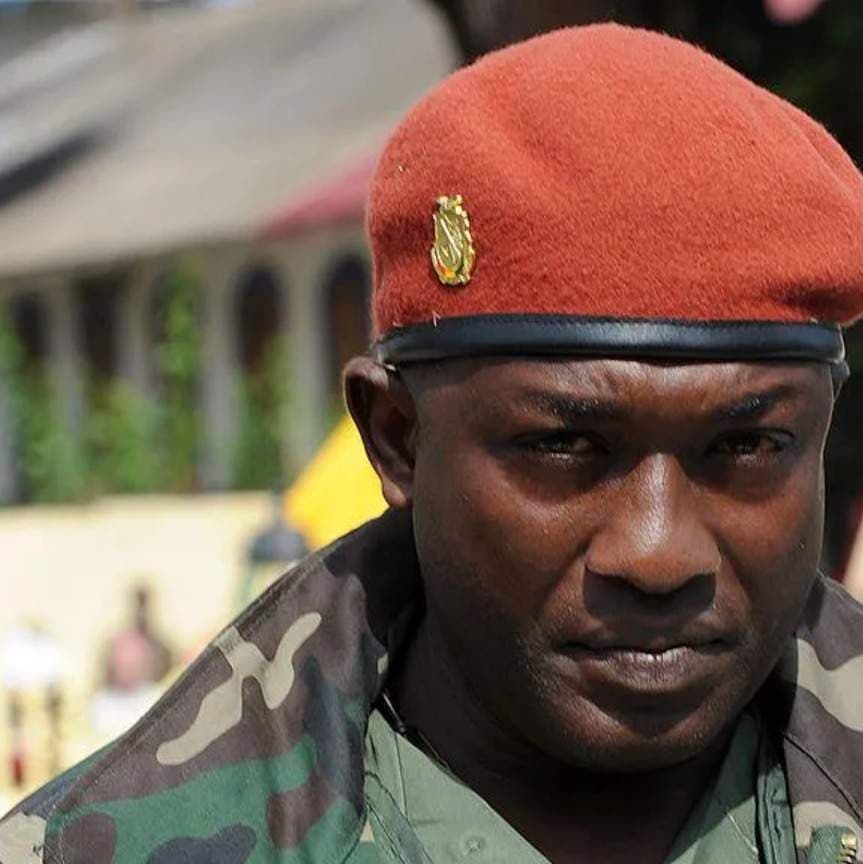
Key figure in 2009 killings passes away while serving sentence.
One of the main military figures convicted of crimes against humanity over Guinea’s 2009 stadium massacre has died in custody, authorities have said.
Aboubacar Sidiki Diakité, also known as Toumba, died early on Wednesday in hospital after a medical emergency, according to the prison administration.
He had been serving a 10 year sentence for his role in the massacre in the রাজধান Conakry, where more than 150 people were killed and at least 109 women were raped during protests against military rule.
Diakité was the commander of the presidential guard at the time and a close ally of then leader Moussa Dadis Camara. The killings occurred when security forces opened fire on tens of thousands of demonstrators gathered at a stadium on 28 September 2009.
Authorities said Diakité was taken to the Samory Touré Military Hospital in Conakry after falling ill, with symptoms including abdominal pain and swelling, where he was later pronounced dead.
Even while imprisoned, he remained a controversial figure, forming a political party and attempting to run for president, though his candidacy was rejected by the Supreme Court.
His death has sparked mixed reactions in Guinea, where the legacy of the massacre remains deeply sensitive and many victims are still seeking justice.
The 2009 violence marked one of the darkest chapters in the country’s history and led to years of legal proceedings. Several senior figures, including former leader Moussa Dadis Camara, were convicted in 2024, though Camara was later pardoned on health grounds.
Guinea has faced repeated political instability since independence, including coups and violent crackdowns, and efforts to address past abuses continue to divide opinion.
Diakité’s death is likely to renew debate over accountability and justice for the victims of the massacre.