


America's Airstrikes in Nigeria: Partnership or Precedent?
Last update: December 26, 2025
Disclaimer: This website may contain affiliate links, which means we may earn a commission if you click on the link and make a purchase. We only recommend products or services that we personally use and believe will add value to our readers. Your support is appreciated!
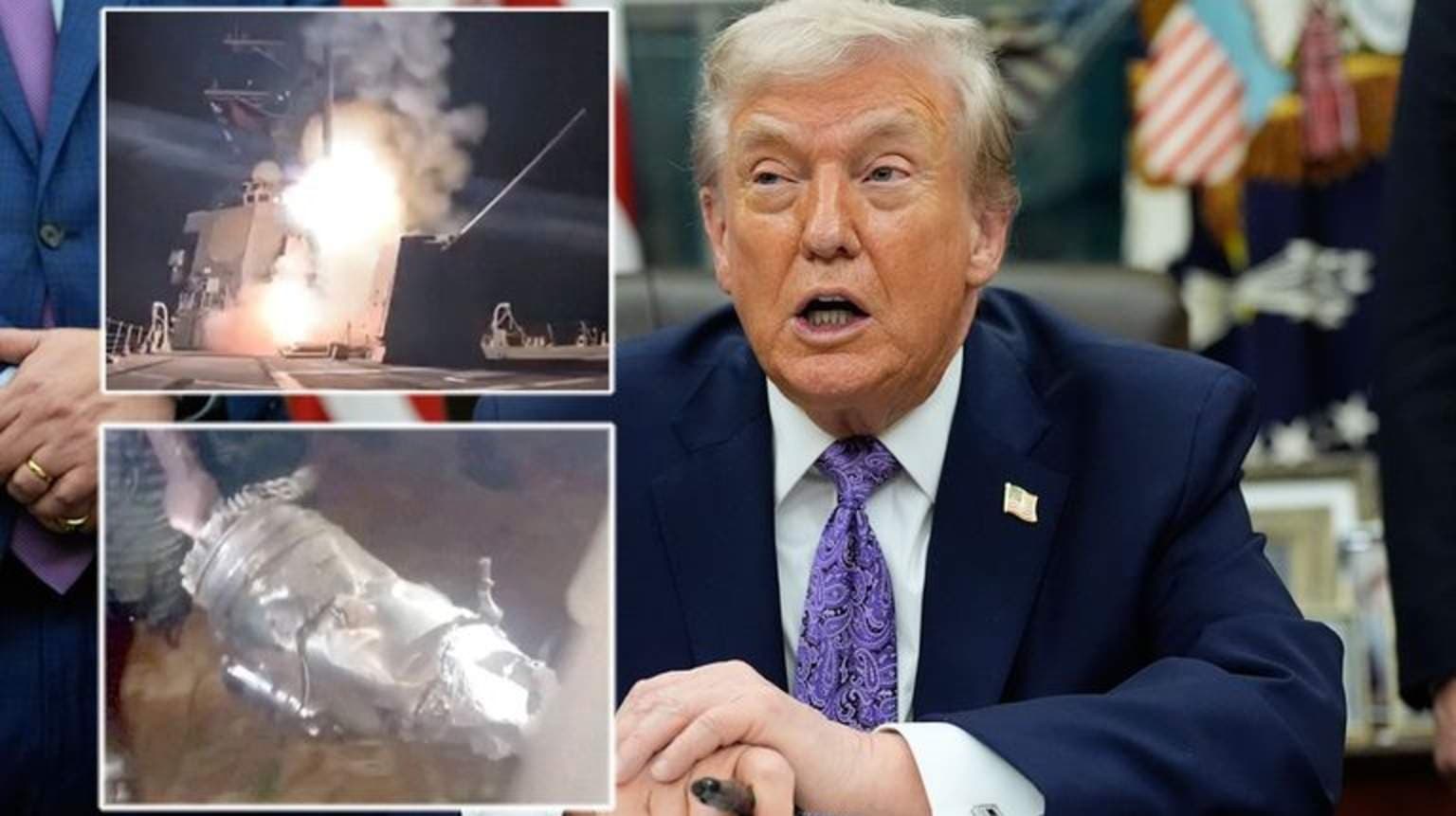
The recent U.S. military strikes against ISIS targets on Nigerian soil mark a significant escalation in America's counterterrorism footprint in West Africa—one that demands careful scrutiny from Nigerian citizens and policymakers alike.
While the threat posed by ISIS-affiliated groups in the Lake Chad region is undeniably serious, CBI NEWS believes that the conduct of foreign military operations within our borders raises fundamental questions about sovereignty, transparency, and the long-term strategic direction of Nigeria's security policy.
The Security Imperative
No one can dispute the menace that Boko Haram and its ISIS-West Africa offshoot represent. These groups have killed tens of thousands, displaced millions, and destabilized entire regions of northeastern Nigeria. If American intelligence and precision strike capabilities can genuinely assist in degrading these networks, particularly their leadership structures, there may be tactical value in such cooperation.
The Sovereignty Question
Yet tactical gains must be weighed against strategic costs. Each foreign airstrike conducted on Nigerian territory, regardless of its immediate success, reinforces a troubling narrative: that Nigeria cannot secure its own territory. This perception undermines national morale, emboldens our adversaries, and potentially creates dependency on external military assistance that may not always align with Nigerian interests.
CBI NEWS and millions of Nigerians would like to know if these strikes were conducted with full transparency and genuine Nigerian operational control, or merely with our government's consent? The distinction matters immensely.
Learning from History
We need only look to Somalia, Yemen, and Pakistan to see how American drone campaigns, initially welcomed as surgical solutions to terrorist threats, can become open-ended commitments that generate resentment, civilian casualties, and political complications. In each case, short-term tactical successes have failed to translate into lasting security or stability.
The Path Forward
CBI NEWS strongly recommends that Nigeria must articulate clear red lines for any foreign military presence. These should include: absolute transparency about targets and operational parameters; guaranteed Nigerian command authority over operations within our borders; detailed accounting of any civilian impacts; and explicit timelines that prevent mission over extensions.
More fundamentally, we must resist the temptation to outsource solutions to problems that ultimately require political, economic, and social interventions. Military force, whether Nigerian or American, cannot address the poverty, lack of education, and governance failures that fuel extremism in the first place.
A Call for National Debate
This moment demands a national conversation about the kind of security partnership Nigeria wants with the United States and other foreign powers. Are we building our own capacity, or merely outsourcing solutions ? Are we addressing root causes, or simply managing symptoms?
At CBI NEWS we believe that Nigeria's sovereignty is not an abstract principle, but rather, it is the foundation of our nationhood. Any security arrangement that compromises this foundation, however well-intentioned, risks winning battles while losing the war.
The strikes may have hit their targets. Whether they serve Nigeria's long-term interests remains an open question for which our leaders owe us an answer.