


AI Behind 55% of Cybercrime in Africa - INTERPOL
Last update: August 3, 2026
Disclaimer: This website may contain affiliate links, which means we may earn a commission if you click on the link and make a purchase. We only recommend products or services that we personally use and believe will add value to our readers. Your support is appreciated!
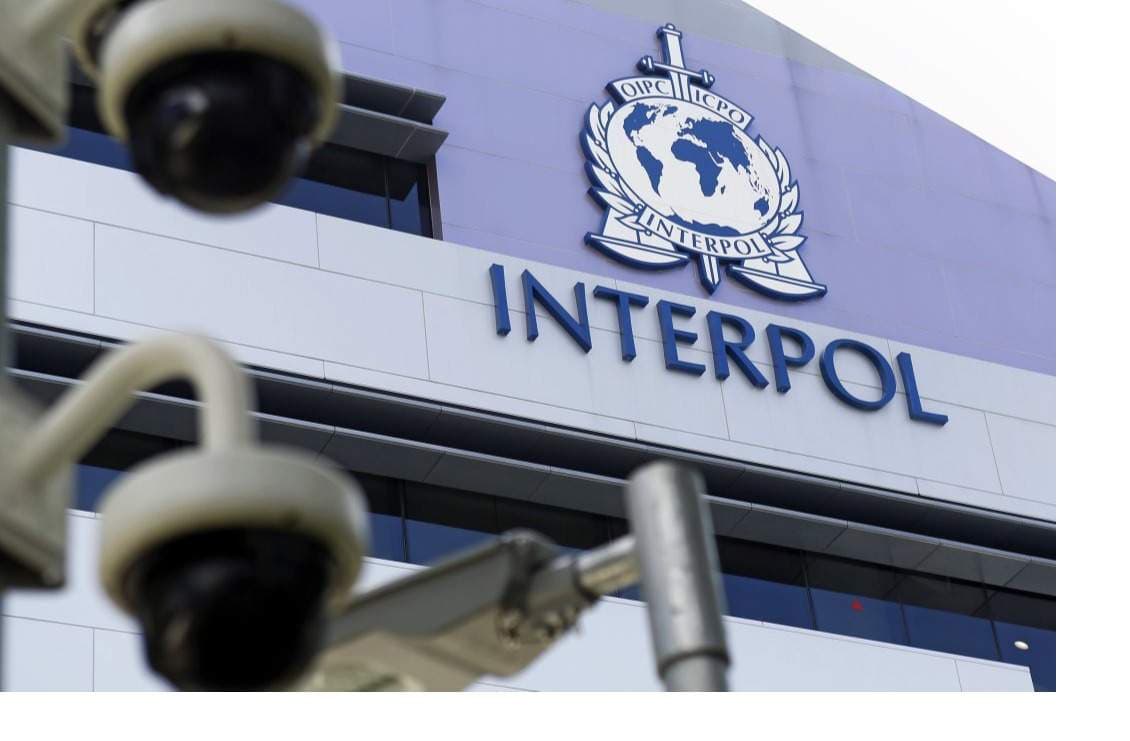
From mobile money fraud in East Africa to romance scams in the West, artificial intelligence has turned cybercrime in Africa into a fast-moving, borderless industry. And according to INTERPOL, it is only getting harder to stop.
Here is one that should make us all sit up.
A new report from INTERPOL has revealed that artificial intelligence is now behind 55 per cent of all reported cybercrimes across Africa.
According to the African Cyberthreat Assessment Report 2026, which was released on the organisation's official X page, cybercrime on the continent is no longer just a few isolated cases. It has evolved into what INTERPOL describes as an industrialised, borderless ecosystem fuelled by AI. The 40-page report drew data from 36 African member countries.
The timing is critical. Africa recorded over 1.1 billion mobile subscribers in 2025, yet INTERPOL warns that cybercrime legislation remains fragmented and many law enforcement agencies are still not fully equipped to tackle AI-enabled threats.
The report breaks down the hotspots quite clearly:
East Africa is seeing a surge in mobile money fraud and ransomware attacks on critical infrastructure. Business email compromise and romance scams remain rampant across Central and West Africa. Southern Africa, due to its high internet connectivity, has become a prime target for global cybercriminals.
And the financial impact is staggering. Cybercrime-related losses across Africa have more than doubled since 2024, jumping from $192 million to $484 million. INTERPOL says this spike is largely driven by AI-powered scams, credential theft, and automated social engineering.
Online scams were the most reported form of cybercrime in 2025, with criminals exploiting mobile money platforms and social media. Worryingly, 72 per cent of surveyed countries reported the presence of scam centres, particularly in Southern and West Africa.
The report also flags a disturbing rise in digital sextortion and harassment using AI-generated deepfakes, with around 600,000 sextortion detections recorded by TrendAI during the review period.
Business Email Compromise has also become far more convincing, with criminals using AI to craft emails that target businesses and individuals in Europe and North America, all while operating from infrastructure spread across multiple African jurisdictions.
Another major gap? The lack of real-time information sharing between banks, telecoms operators and law enforcement, which INTERPOL says is being heavily exploited. Criminals are now creating synthetic identities, mixing real personal data with fake details to beat biometric systems, open bank accounts, secure mobile loans and register SIMs.
Commenting on the findings, Director of INTERPOL’s Cybercrime Directorate, Neal Jetton, said: “Cybercrime has emerged as one of the most significant criminal threats to the region. AI is automating every stage of a cyberattack from reconnaissance and phishing to extortion and evasion. However, we see that when countries work together, cybercriminal infrastructure can be identified, disrupted and dismantled.”
It is not all gloomy. The report notes that 17 African countries enacted or amended cybercrime laws in 2025, including Senegal’s launch of an online reporting platform for offences against children. Four continent-wide operations, Operation Serengeti 2.0, Operation Contender 3.0, Operation Sentinel and Operation Red Card 2.0, led to over 1,500 arrests and the recovery of more than $100 million.
Going forward, INTERPOL is calling for standardised digital forensic capabilities, stronger cross-border collaboration, more AI training for officers and deeper public-private partnerships.
The African Cyberthreat Assessment forms part of INTERPOL’s African Joint Operation against Cybercrime, funded by the UK’s Foreign, Commonwealth and Development Office, with support from Fortinet, Mastercard, Shadowserver Foundation, S2W and TrendAI.
Credit: cbinews.tv
#INTERPOL #CybercrimeInAfrica #AIScams #CyberSecurity #AfricaTech #MobileMoneyFraud #OnlineSafety #CBINews